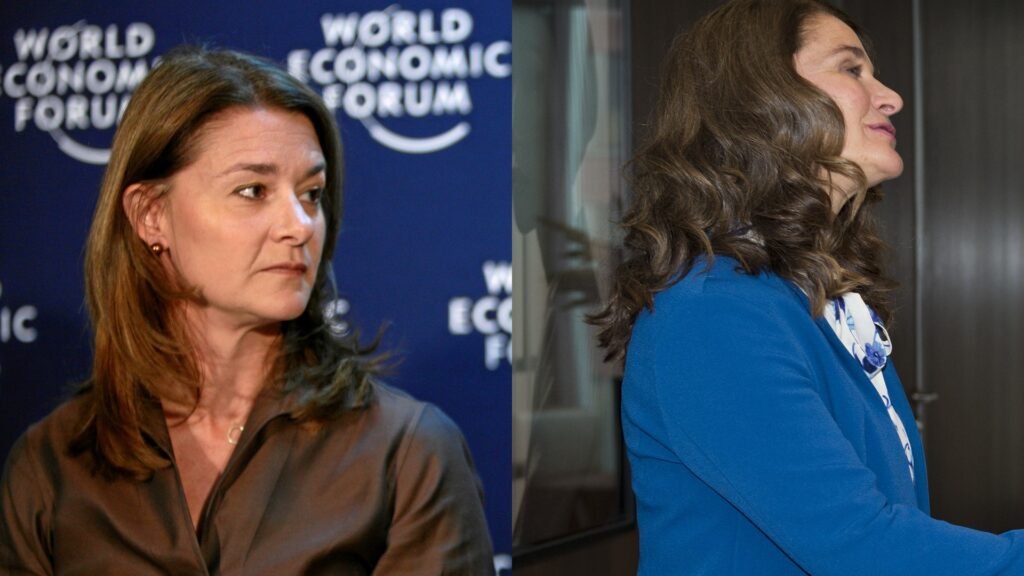
She went from writing code at Microsoft to co-running the largest private charity in human history — then walked away from it with $12.5 billion to start over on her own terms. Melinda French Gates spent two decades in one of the world’s most famous marriages and emerged as one of philanthropy’s most independent forces. This is how she got there.
Melinda French Gates Then
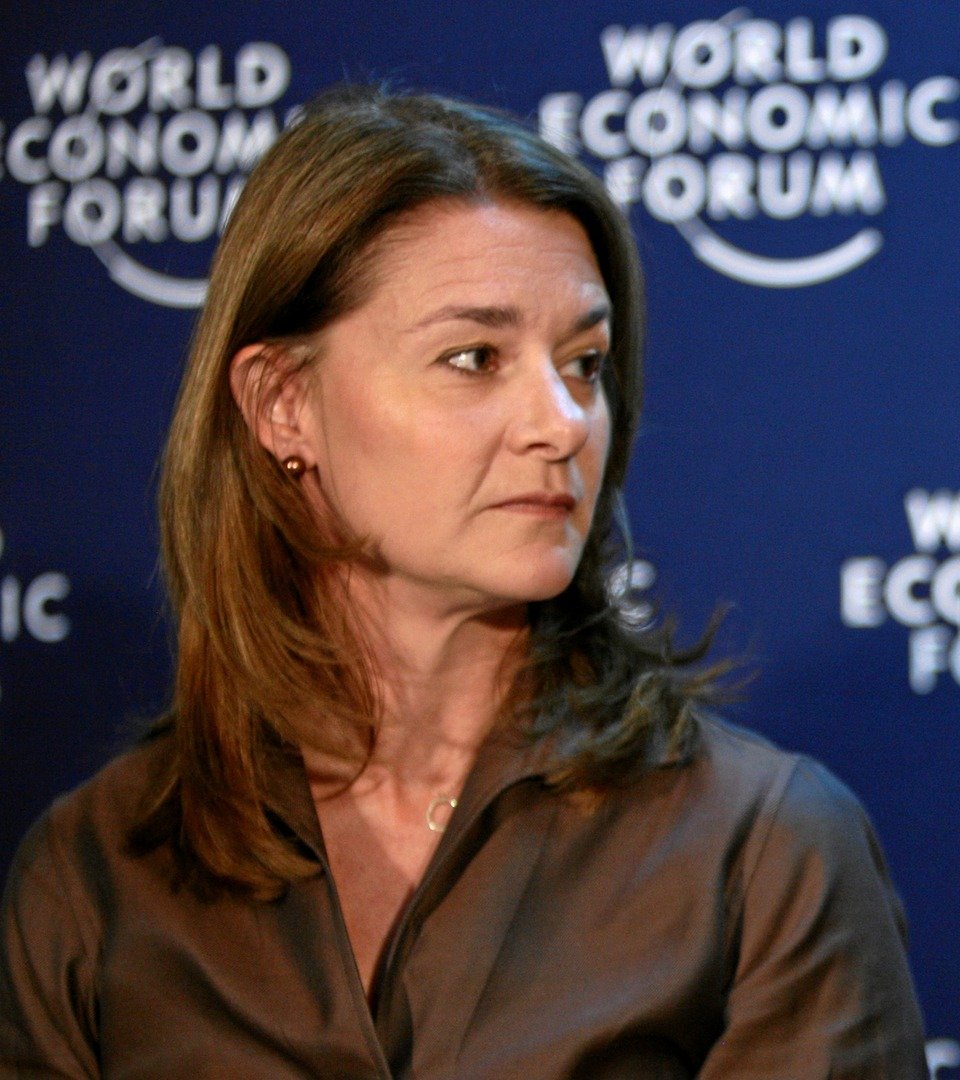
Melinda Ann French was born on August 15, 1964, in Dallas, Texas. She was bright, disciplined, and drawn to the new world of computers. At Duke University, she earned a bachelor’s degree in computer science and economics, followed by an MBA from Duke’s Fuqua School of Business — a formidable combination for a woman entering tech in the 1980s.
In 1987, she joined Microsoft as a product developer, one of a small number of women at the company. She worked on products including Microsoft Word and the travel service that became Expedia. It was at Microsoft that she met the company’s co-founder, Bill Gates. They married in 1994 and had three children: Jennifer, Rory, and Phoebe.
In 2000, the couple founded the Bill & Melinda Gates Foundation, which grew into the world’s largest private charitable foundation. Melinda co-chaired it for nearly 24 years. Under her leadership, the foundation directed more than $100 billion toward global health, poverty reduction, and education — including a $750 million contribution to launch Gavi, the Vaccine Alliance. The foundation’s grantees helped save tens of millions of lives from malaria, tuberculosis, and HIV, diseases that once seemed unstoppable.
For years, she operated in the long shadow of her husband’s fame. But those who watched closely saw her influence grow — from the young woman who once had to fight to co-author the foundation’s annual letter to a co-chair shaping global health policy. Like fellow billionaire philanthropist Warren Buffett, who pledged the bulk of his fortune to the Gates Foundation, she came to believe that great wealth carries an obligation to give it away thoughtfully.
The Middle: The Break
In 2021, Bill and Melinda Gates announced their divorce after 27 years of marriage. They continued to co-chair the foundation together for three more years. Then, in May 2024, Melinda French Gates announced she was resigning as co-chair — a clean break from the institution she had built.
As part of the separation agreement, she received at least $12.5 billion to direct toward her own philanthropic vision (Forbes has estimated the total settlement value as high as $25 billion). She wasted no time. Through Pivotal Ventures, the organization she founded in 2015, she committed $1 billion through 2026 to advance women’s power globally — including $200 million in grants for US organizations fighting to protect women’s rights.
In September 2025, she partnered with Wellcome Leap on a $100 million commitment to accelerate women’s health research, an area she has championed since her own experience with menopause opened her eyes to how underfunded it is. She also published her second book, the memoir “The Next Day: Transition, Change and Moving Forward” (2025), following her 2019 bestseller “The Moment of Lift.”
Melinda French Gates Now
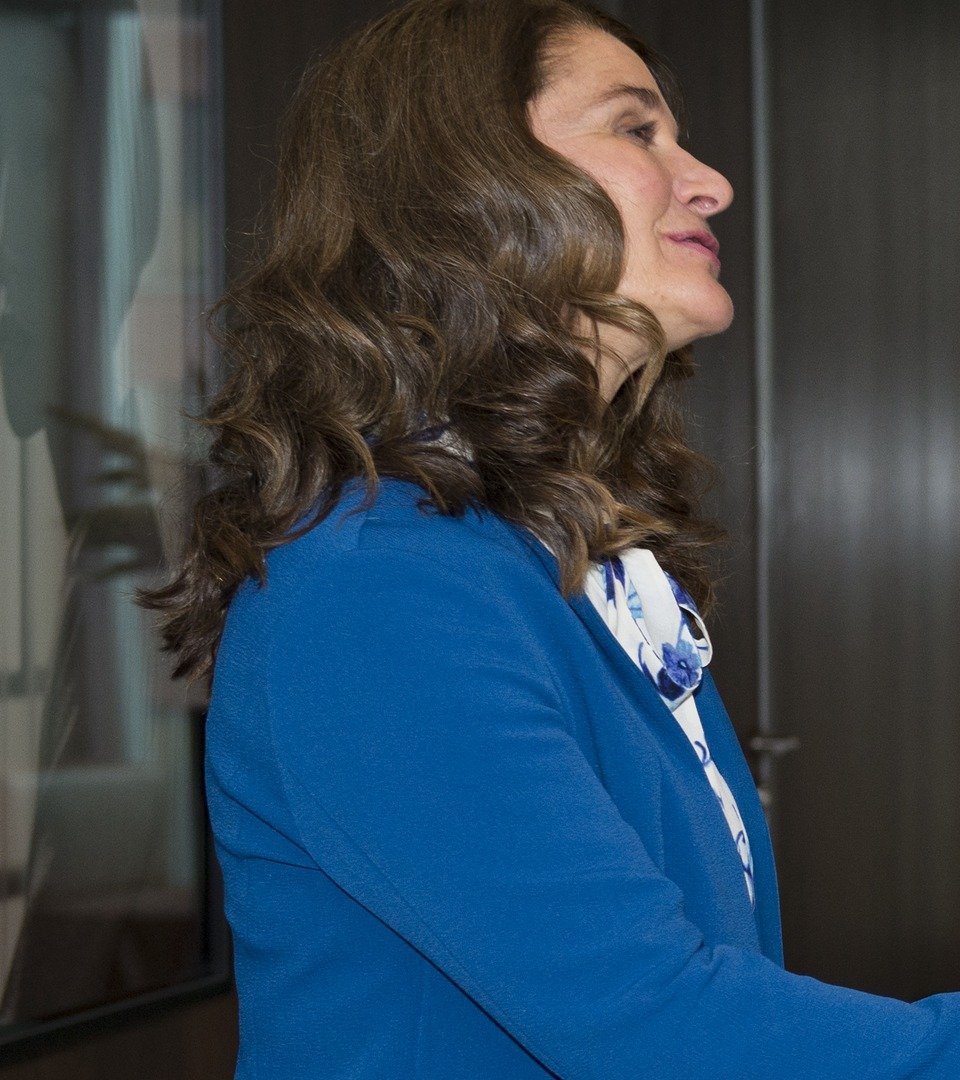
Today, French Gates runs one of the most distinctive philanthropies in the world. Where the Gates Foundation operates at massive institutional scale — it announced in 2025 that it will sunset in 2045, with Bill Gates pledging 99% of his roughly $113 billion fortune to be spent down by then — Pivotal takes a different approach: nimble, focused on women and girls, and willing to fund unglamorous, under-supported causes.
In July 2026, the Smithsonian honored her with its Great Americans Medal, recognizing a career that moved from software to global health to independent feminist philanthropy. Her net worth stands at roughly $25 billion and climbing with markets — yet she continues to give it away at a pace few billionaires match.
What distinguishes her giving is its philosophy. Where traditional philanthropy often attaches strings — naming rights, metrics, control — French Gates has embraced trust-based giving, writing large checks to organizations led by the women closest to the problems. “Decades of research make it clear that investing in women and girls benefits everyone,” she has said, and her grantmaking reflects it: maternal health, childcare, paid family leave, and the unglamorous infrastructure of gender equality.
From a Microsoft product developer to the co-architect of the world’s biggest foundation to a philanthropist answering to no one but herself, Melinda French Gates’ journey is a study in reinvention. She spent the first half of her public life building something with a partner. She is spending the second half building something entirely her own.