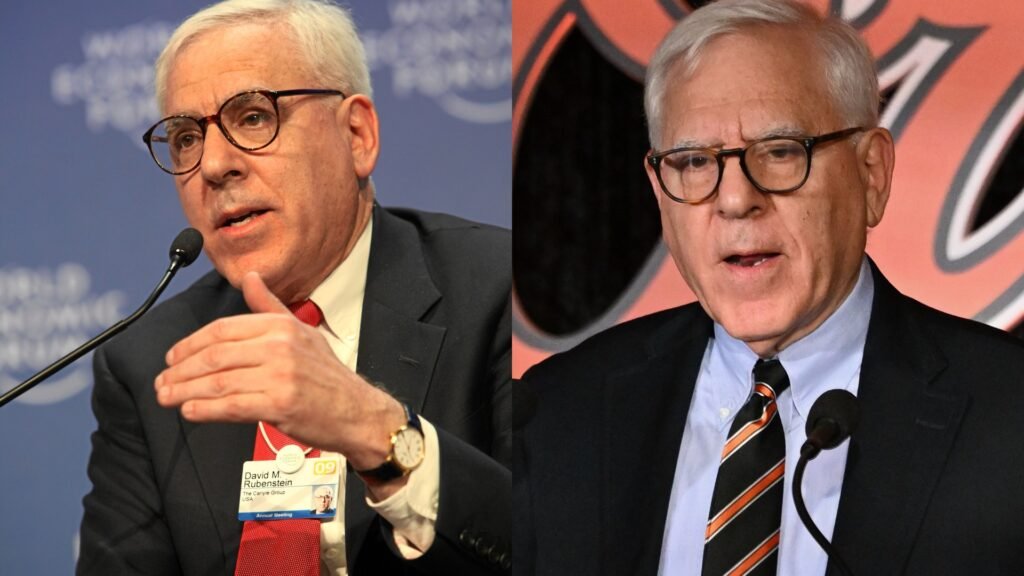
He turned $5 million into $500 billion, passed on 20% of Amazon, and bought a 13th-century Magna Carta for fun. David Rubenstein — the Carlyle Group co-founder who became a TV interviewer, patriotic philanthropist, and at 75, the owner of the Baltimore Orioles — has lived several careers in one lifetime. This is how a kid from a Baltimore rowhouse conquered Washington, Wall Street, and now baseball.
David Rubenstein Then
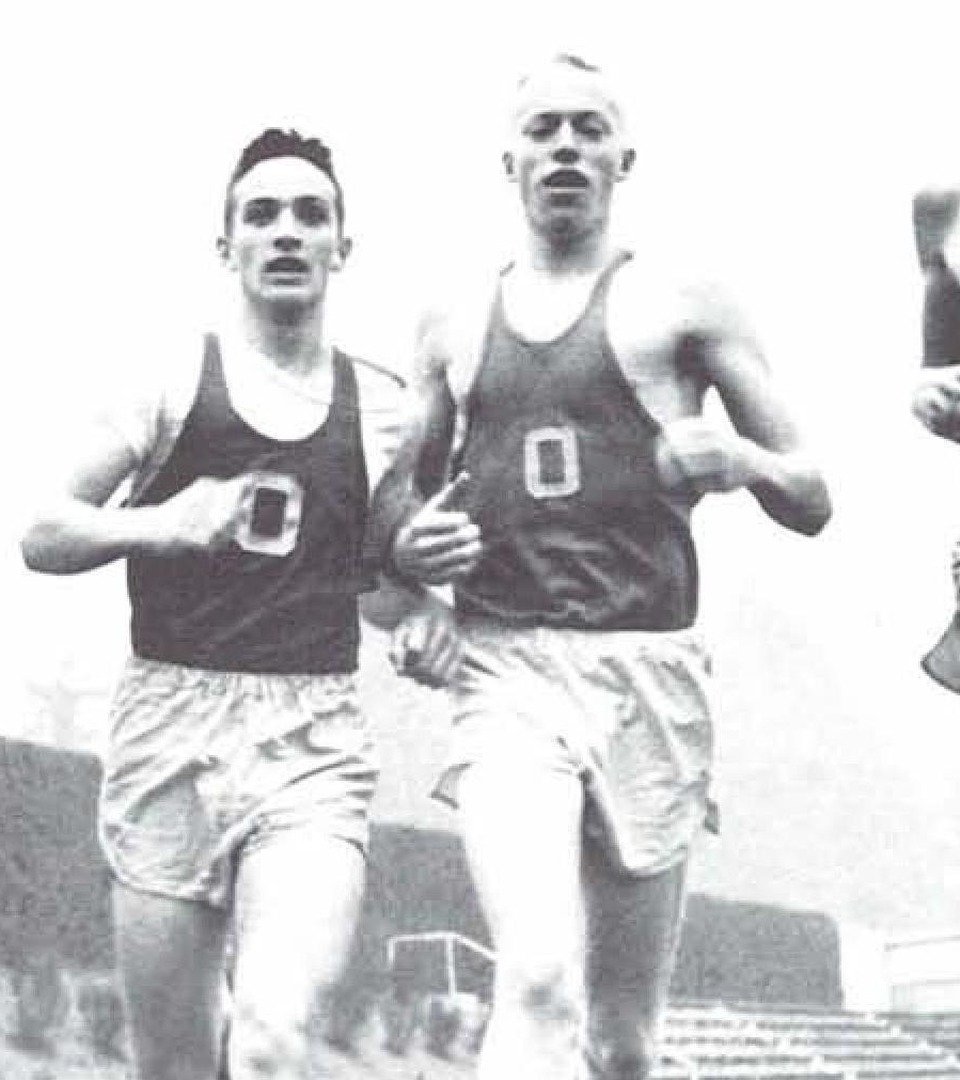
David Mark Rubenstein was born on August 11, 1949, in Baltimore, Maryland. His start was modest: his parents both dropped out of high school, his father worked blue-collar jobs, and David was their only child. “If you grow up in that setting, you have to make it on your own,” he later said.
He made it through brains and hustle. Rubenstein graduated magna cum laude from Duke in 1970 (Phi Beta Kappa), then earned his law degree from the University of Chicago in 1973, where he edited the Law Review. After practicing law in New York and serving as chief counsel to a Senate subcommittee, he landed in the Carter White House at 27 as Deputy Assistant to the President for Domestic Policy.
When Carter lost, Rubenstein practiced law in Washington — and hated it. He had read that founders typically start their first company between 28 and 37. At 37, he thought: “If I don’t do it now, I’ll never do it.” In 1987, he co-founded the Carlyle Group with William Conway Jr. and Daniel D’Aniello, raising $5 million from four investors.
Carlyle’s insight was location: a private equity firm in Washington, not New York, that understood companies affected by the federal government. Rubenstein raised the money and assembled a stable of advisers no rival could match — including former Secretary of Defense Frank Carlucci, Secretary of State James Baker, and later President George H.W. Bush and UK Prime Minister John Major. Try raising money in the Middle East, he joked, with Jim Baker on your letterhead.
The firm made legendary mistakes too. A young Jeff Bezos offered Carlyle 20% of Amazon; they took $100,000 a year in cash instead, wanting money rather than illiquid startup stock. Rubenstein estimates that stake would be worth $14 billion today. He also passed on Facebook — “it’s a dating company,” he reasoned.
The Middle: Building Carlyle
Over three decades, Rubenstein built Carlyle into one of the world’s largest private equity firms, now managing roughly $485–500 billion. He became as famous for his second acts as his first: a Bloomberg television interviewer whose show made him, by his own joke, better known as “a full-time interviewer” than an investor; the author of books on American history and leadership; and a practitioner of what he calls “patriotic philanthropy.”
His giving is theatrical and American to the core. In 2007, he bought one of four surviving originals of the 13th-century Magna Carta for $24.5 million. He has funded panda conservation at the National Zoo, chaired the Kennedy Center, the Smithsonian Institution, and the Council on Foreign Relations, and signed the Giving Pledge — joining fellow billionaire philanthropists like Warren Buffett in committing the majority of his wealth to charity. He has also donated to Duke, Harvard’s Kennedy School, Princeton, Johns Hopkins, and the Library of Congress, where he chairs the Madison Council.
David Rubenstein Now
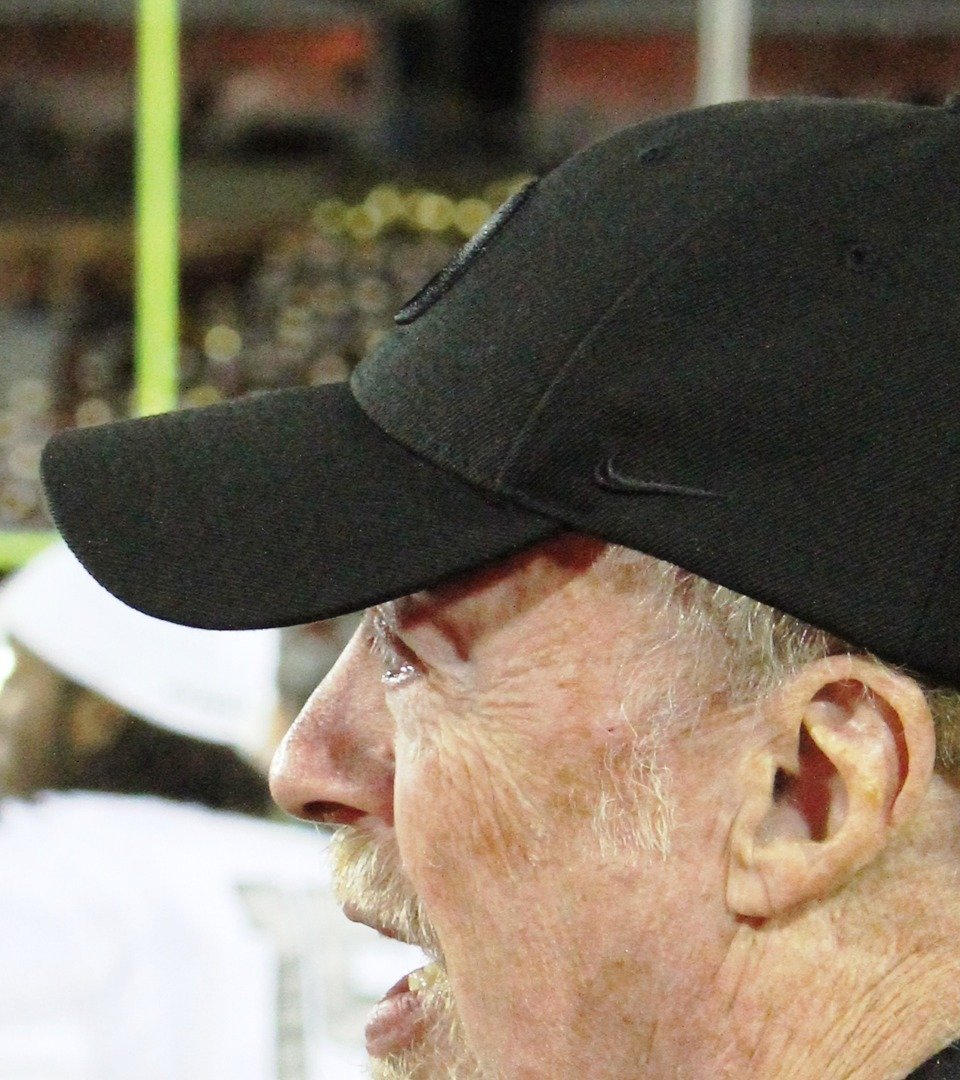
In 2024, Rubenstein came home. Leading an investor group, he bought his boyhood team, the Baltimore Orioles, for $1.75 billion, becoming the controlling owner. The kid from the Fallstaff Road rowhouse — who admits he “wasn’t really deeply involved in Baltimore” for most of his life — now turns up game after game at Camden Yards, pouring money into the city through charitable giving and civic projects.
At 77, he has never been busier: a new book on the American presidency, the Bloomberg show, nonprofit boards, Carlyle’s co-chairmanship, and a baseball team to run. He remains, as ever, the Washington insider who understood that relationships are the ultimate currency — in private equity, in philanthropy, and now in baseball. Friends joke that he collects presidencies the way others collect art: he has interviewed them, written about them, and bought the documents they signed.
From a $5 million startup to a $500 billion firm, from the Carter White House to the owner’s box at Camden Yards, David Rubenstein’s arc proves his own maxim: “The obsession with the making of money rarely leads to the actual making of money. The obsession with achieving excellence… is usually what leads to making a fortune.”