Just this week, “Hacksaw” Jim Duggan looked back on working with Andre the Giant. In an interview published on 5 November, he said the giant once let him knock him out with his famous 2×4.
That one favour lifted Duggan from the mid-card into the main event. It says everything about Andre: the biggest star in wrestling, and the most generous man in the locker room.
Andre the Giant was quite simply the most famous wrestler on the planet. At a billed 7 ft 4 in and 520 lb, he was the Eighth Wonder of the World — a gentle giant whose name still echoes today.
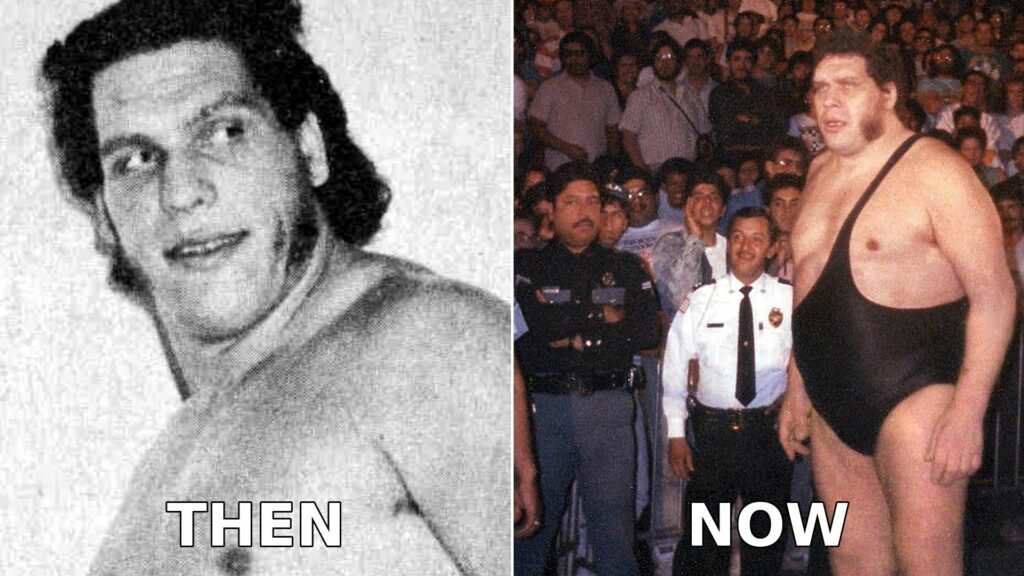
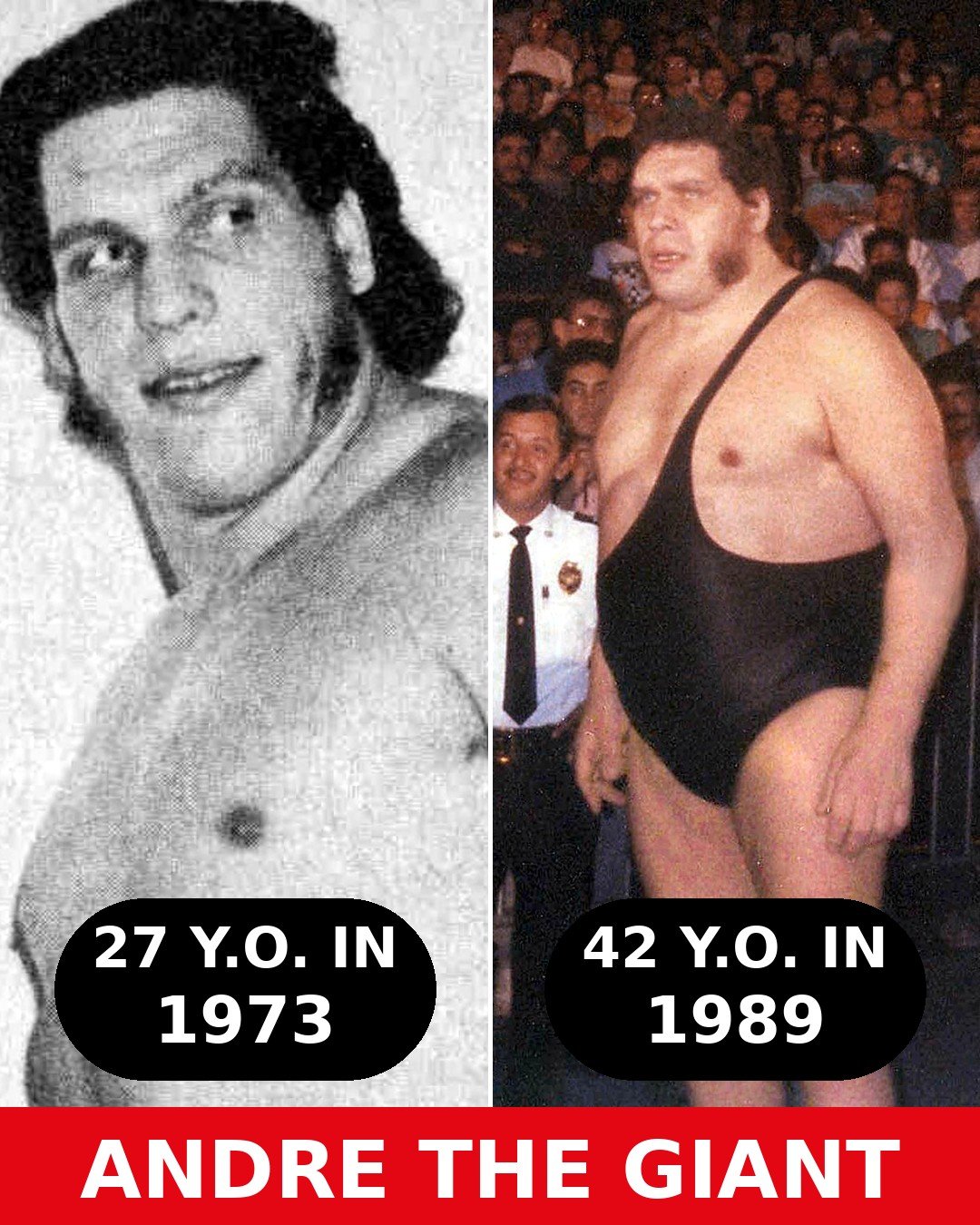
This is the story of Andre the Giant, then and now. 🇫🇷
Then: From a French Farm to the Garden
André René Roussimoff was born on 19 May 1946 in Coulommiers, France, to a Bulgarian father and a Polish mother. He grew up on a small farm, and by 12 he was already over 6 ft tall.
His size came from acromegaly, a condition that kept his body growing. As a teenager he worked as a woodcutter, then moved to Paris in the early 1960s to learn professional wrestling.
He started wrestling in France in the mid-1960s, then toured Japan and Canada. In 1973 he arrived in America, joining the World Wide Wrestling Federation and wrestling at Madison Square Garden within days.
Promoter Vince McMahon Sr. renamed him Andre the Giant and booked him as a travelling attraction. For more than a decade he was billed as unbeaten, wrestling in packed arenas from coast to coast.
He even crossed paths with Duggan early on, in Hawaii, working for High Chief Peter Maivia — the grandfather of The Rock.
A young Duggan wrestled there under a mask as The Convict. Andre tore the mask off — and the crowd suddenly wanted to know who the youngster was.
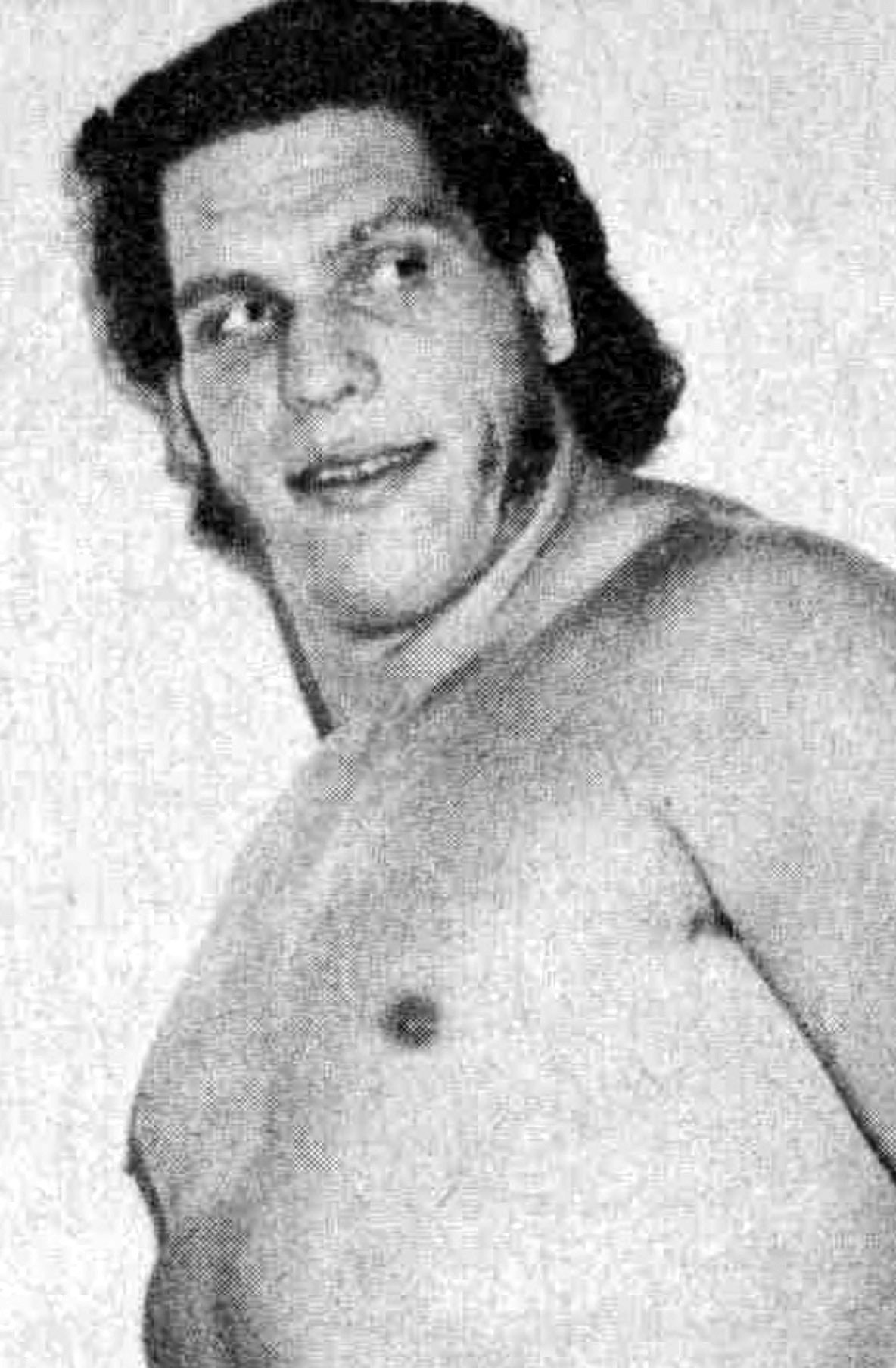
Photo: Wikimedia Commons, public domain
The Middle: The Slam Heard Round the World
By the mid-1980s Andre was wrestling’s biggest attraction, and his friendship with Hulk Hogan was the sport’s warmest story. Then, in early 1987, Andre turned on his friend — and challenged him for the title.
The match came at WrestleMania III on 29 March 1987, at the Pontiac Silverdome. The WWF claimed a record crowd of 93,173, and the whole wrestling world was watching.
Hogan tried to bodyslam Andre early on and nearly lost when the giant fell on him. But late in the bout Hogan lifted the 520 lb giant — the slam heard round the world — and kept his title.
Almost a year later, on 5 February 1988, Andre beat Hogan for the WWF Championship on NBC’s The Main Event, watched by a record 33 million viewers. His reign lasted under two minutes: he handed the belt to Ted DiBiase.
In between, Andre had shown another side of himself. As Fezzik in The Princess Bride (1987), the gentle giant stole the film — the role he loved most, and the one that made him a star beyond wrestling.
Now: The Giant Who Never Left
By the late 1980s, years of carrying 520 lb had taken a heavy toll. Andre’s knees and back ached constantly, yet he kept wrestling — including a famous tag-team run with Haku as the Colossal Connection.
His last WWF match came in 1991. On 27 January 1993, back in France for his father’s funeral, Andre died in his sleep of heart failure. He was 46.
Wrestling honoured him at once. In 1993 he became the first — and only that year — inductee of the new WWF Hall of Fame, a class of one.
His name lives on at WrestleMania itself. Since 2014 the André the Giant Memorial Battle Royal has been a WrestleMania weekend tradition, its trophy made in his likeness.
And in April 2026, his greatest night got its own honour. The WrestleMania III match was named the 2026 Immortal Moment — the second match ever so honoured, after Stone Cold Steve Austin‘s classic with Bret Hart in 2025.
Andre set the standard every larger-than-life star since has been measured against — from John Cena‘s generation to today’s roster. Nobody has matched his combination of size, warmth and fame.
Thirty-three years after his death, fans still tell Duggan’s story — and Andre’s. The giant who let a mid-card wrestler knock him out remains, quite simply, unforgettable. 🤼
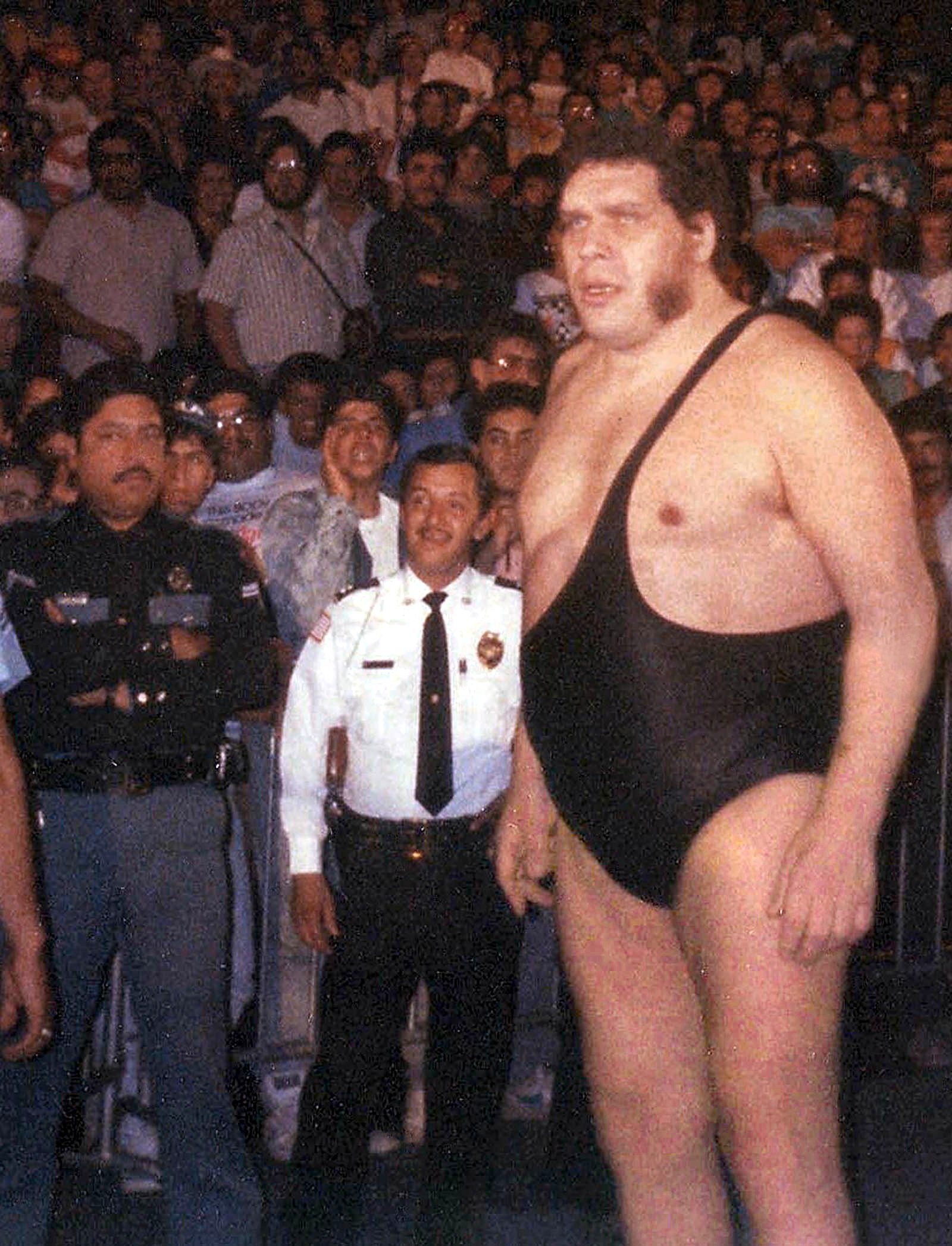
Photo: John McKeon / Wikimedia Commons, public domain