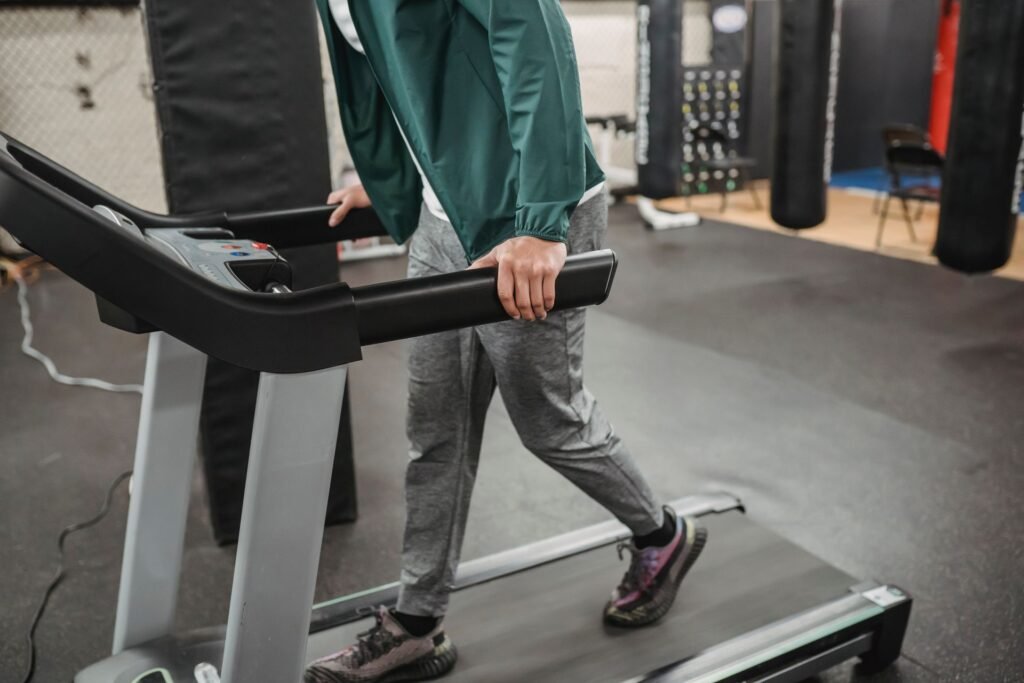
Sitting all day is the quiet problem of home working. A walking pad slides under your desk, lets you stack up steps between meetings, and folds away when the workday ends. 🚶
Done right, it is the easiest fitness upgrade a home office can get — no commute to a gym, no weather excuses, and no separate workout slot to find in your calendar.
How we chose: we have not hands-on tested these walking pads. This guide is research-based: we compared manufacturer specs side by side and mined patterns from verified-buyer reviews, owner feedback and expert roundups.
Where hundreds of buyers praise the same thing — or complain about the same thing — we say so. Prices are approximate US bands checked in October 2026, and walking pads are discounted so often that the live price is worth a look before you decide.
⚡ Quick Picks
- Best overall: WalkingPad C2 — the fold-in-half original: quiet, smart, and small enough to live under a sofa.
- Best fold-flat: WalkingPad A1 Pro — a true 5-inch fold with a 300 lb capacity and the strongest motor in its class.
- Best premium / incline: UREVO Strol 2S Pro — 9% auto incline and rail-up running to 7.6 mph in a storable frame.
- Best budget: Sperax 3-in-1 Walking Pad — under $200 on deal, whisper-quiet, with a bonus vibration mode.
- Best heavy-duty: MERACH UltraWalk W60 Plus — 330 lb certified capacity and a steep 12% auto incline.
- Best value 2-in-1: UREVO Smart 2-in-1 — desk walking plus light running for the price of a basic pad.
🏆 1. WalkingPad C2 — Best Overall
Speed: 0.5–3.7 mph · Capacity: 220 lb · Folds to: 32.5 × 20.4 × 5.4 in · Price: ~$430–450
The C2 is the pad that defined this category. Its patented 180° double-fold halves its length, so at just 5.4 inches thick folded it slides under a sofa or bed instead of leaning in a corner.
Control is the other half of the appeal. FootSense sensors speed the belt up when you step toward the front and slow it down when you drift back, and there is a remote plus the KS Fit app when you want manual control.
Pros
- Folds shorter than almost any rival — storage is genuinely solved
- Very quiet in reviews, around 41–45 dB, so calls are no problem
- FootSense auto-speed feels natural once you learn it
- No assembly at all — unfold, plug in, walk
Cons
- 220 lb capacity is the lowest in this guide
- Walking only — no running and no incline
- You can faintly feel the centre fold seam underfoot
- Pricier than basic flat pads
Who it’s for: home-office workers in apartments or shared spaces who need the pad to disappear completely after work. If storage is your deal-breaker, this is the one.
👉 Check WalkingPad C2 price on Amazon
🥇 2. WalkingPad A1 Pro — Best Fold-Flat
Speed: 0.5–3.75 mph · Capacity: 300 lb · Folds to: 32.5 × 21.5 × 5 in · Price: ~$530–600
The A1 Pro takes the same fold-in-half idea and builds it stronger. An alloy-steel frame and a 3.75 HP brushless motor push the capacity to 300 lb — rare air for a pad that folds down to five inches.
It uses the same FootSense automatic mode as the C2, which long-term reviewers single out as best in class, alongside a remote and the KS Fit app. It also arrives fully assembled, which never gets old.
Pros
- 300 lb capacity in a true 5-inch fold — best of both worlds
- Strong brushless motor runs smoothly and quietly
- Automatic foot-sensing speed control praised by long-term owners
- Sturdy, polished build; zero setup out of the box
Cons
- Unfolding can be noisy — support the deck or it can thud down
- Automatic mode can occasionally feel erratic
- No incline, and a premium price for a walking-only pad
Who it’s for: heavier walkers and anyone who wants the fold-flat convenience without the usual low capacity limit. It is the C2’s formula, reinforced.
👉 Check WalkingPad A1 Pro price on Amazon
⛰️ 3. UREVO Strol 2S Pro — Best Premium / Incline
Speed: 0.6–4.0 mph walking, up to 7.6 mph running · Capacity: 265 lb · Size stored: 54.7 × 25.4 × 6.7 in · Price: ~$550
Most walking pads are flat and walking-only. The Strol 2S Pro adds a 9% automatic incline — nine levels of it — which transforms a gentle desk stroll into real hill work at the tap of a button.
Raise the handrail and it becomes a compact treadmill: up to 7.6 mph for light running, with a second display on the rail, a tablet holder and a safety key. Testers found it stayed planted and stable even at top speed on full incline.
Pros
- 9% auto incline — almost unheard of in a storable pad
- Two machines in one: under-desk walker and light treadmill
- Feels sturdy at speed, with 8-point shock absorption
- Dual displays, tablet holder and safety key included
Cons
- Heaviest here at about 74.5 lb — not fun to move daily
- The handrail tightens with a hex tool, which is fiddly
- Strong power draw — give it its own wall socket
- App workout data can occasionally be unreliable
Who it’s for: walkers who know a flat pad will bore them within a month. If you want incline training and the occasional jog without giving a full treadmill a permanent room, this is the upgrade pick.
👉 Check UREVO Strol 2S Pro price on Amazon
💰 4. Sperax 3-in-1 Walking Pad — Best Budget
Speed: 0.2–3.8 mph · Capacity: rated to 350 lb (265 lb recommended) · Size: 39 × 21 × 3.5 in · Price: ~$160–210
The Sperax is the pad that fills the bestseller charts year after year, and the formula is simple: it is cheap, quiet and needs no assembly. At 3.5 inches tall it slides under almost any desk or bed.
The “3-in-1” name covers walking, light jogging and a vibration massage mode with four intensities — a quirky extra for loosening up after a long session. Owners consistently say colleagues never notice it running under a desk on Zoom calls.
Pros
- Lowest price in this guide, often under $200
- Under 45 dB — genuinely meeting-friendly
- App and remote control, zero assembly
- Vibration mode is a bonus nobody else here offers
Cons
- LED display is hard to read while you are walking
- Short 39-inch deck can cramp a long stride
- App is basic, and remote batteries are not included
- Work within the 265 lb recommended limit, not the headline figure
Who it’s for: first-time buyers who want to test the walking-while-working habit without a $400 commitment. It covers the basics honestly for the price of a decent office chair mat.
👉 Check Sperax 3-in-1 Walking Pad price on Amazon
💪 5. MERACH UltraWalk W60 Plus — Best Heavy-Duty
Speed: 0.6–4.0 mph · Capacity: 330 lb certified (400 lb peak) · Storage: flat or upright, ~68 lb · Price: ~$350, frequently discounted
If you are a bigger walker, most pads quietly exclude you with 220–265 lb limits. The W60 Plus is built the other way: a steel frame with an SGS-certified continuous capacity of 330 lb, the highest honest working limit in this guide.
It also brings the steepest auto incline here — 12 levels up to 12% — driven by a brushless motor, and its app syncs with Apple Health and Google Fit. Reviewers found it steady underfoot and fine for calls, even though its ~54 dB rating is mid-pack on paper.
Pros
- 330 lb certified continuous capacity — best in this guide
- 12% auto incline beats the premium UREVO’s 9%
- App syncs with Apple Health and Google Fit
- Two-year warranty when you register it
Cons
- Around 54 dB — capable, but not the quietest here
- Heavy steel frame at roughly 68–70 lb
- RGB lights and a Bluetooth speaker are garnish, not features
- Promo pricing swings wildly — check the live price
Who it’s for: heavier users and incline fans who need a pad that is built like gym equipment rather than office furniture. Buy it for the frame and the incline, not the light show.
👉 Check MERACH UltraWalk W60 Plus price on Amazon
🎯 6. UREVO Smart 2-in-1 — Best Value
Speed: 0.6–4.0 mph walking, up to 6.2 mph with rail up · Capacity: 265 lb · Belt: 15 × 40.1 in · Price: ~$170–290
UREVO’s long-running 2-in-1 is the value play: rail down, it is a slim under-desk pad; rail up, it reaches 6.2 mph for light running — versatility that usually costs twice as much.
You get dual LED displays, a safety handle and eight silicone shock absorbers softening each step. Garage Gym Reviews praised how easy it is to store and how much machine you get for under $300 on sale.
Pros
- Walk and light run in one pad at a budget price
- Dual displays and a proper safety handle
- 8-point shock absorption is kind to knees
- Folds away easily after use
Cons
- Short, narrow belt — running feels cramped for taller users
- 265 lb capacity is below the treadmill standard
- Control buttons feel cheap, and there is no incline
Who it’s for: budget buyers who refuse to choose between a desk pad and a starter treadmill. As a first machine for a spare room or garage corner, the value is hard to argue with.
👉 Check UREVO Smart 2-in-1 price on Amazon
📊 Comparison Table
| Product | Top speed | Capacity | Folded / stored size | Approx. price |
|---|---|---|---|---|
| WalkingPad C2 | 3.7 mph | 220 lb | 32.5 × 20.4 × 5.4 in (folds in half) | ~$430–450 |
| WalkingPad A1 Pro | 3.75 mph | 300 lb | 32.5 × 21.5 × 5 in (folds in half) | ~$530–600 |
| UREVO Strol 2S Pro | 4.0 mph walk / 7.6 mph run | 265 lb | 54.7 × 25.4 × 6.7 in | ~$550 |
| Sperax 3-in-1 | 3.8 mph | 350 lb rated (265 lb recommended) | 39 × 21 × 3.5 in (flat) | ~$160–210 |
| MERACH UltraWalk W60 Plus | 4.0 mph | 330 lb certified | Stores flat or upright | ~$350 (often less) |
| UREVO Smart 2-in-1 | 4.0 mph walk / 6.2 mph run | 265 lb | Folds flat with rail down | ~$170–290 |
Price bands are approximate, based on US listings checked in October 2026. Walking pads are promoted heavily — coupons and codes regularly cut these prices, so the live figure is the one that counts.
🧭 How to Choose the Right Walking Pad
Measure the storage spot first. A walking pad earns its keep in a home office by disappearing twice a day — once under your desk, once out of sight. Check the folded height against your sofa or bed clearance before you fall in love with a spec sheet.
Be honest about capacity. Headline numbers are not all equal: one brand’s “350 lb” comes with a 265 lb recommended limit in the small print. Leave yourself a comfort margin — a pad working near its limit is louder and wears faster.
Decide if you want incline or running. Flat pads are cheaper, thinner and quieter. Incline (the UREVO Strol 2S Pro, the MERACH W60 Plus) burns far more calories at walking speed, and rail-up 2-in-1 models add light jogging — at the cost of weight and storage size.
Think about noise in layers. The motor hum is only part of it; footfall and floor type matter just as much. A mat underneath helps, and brushless motors are generally the quieter choice for shared spaces.
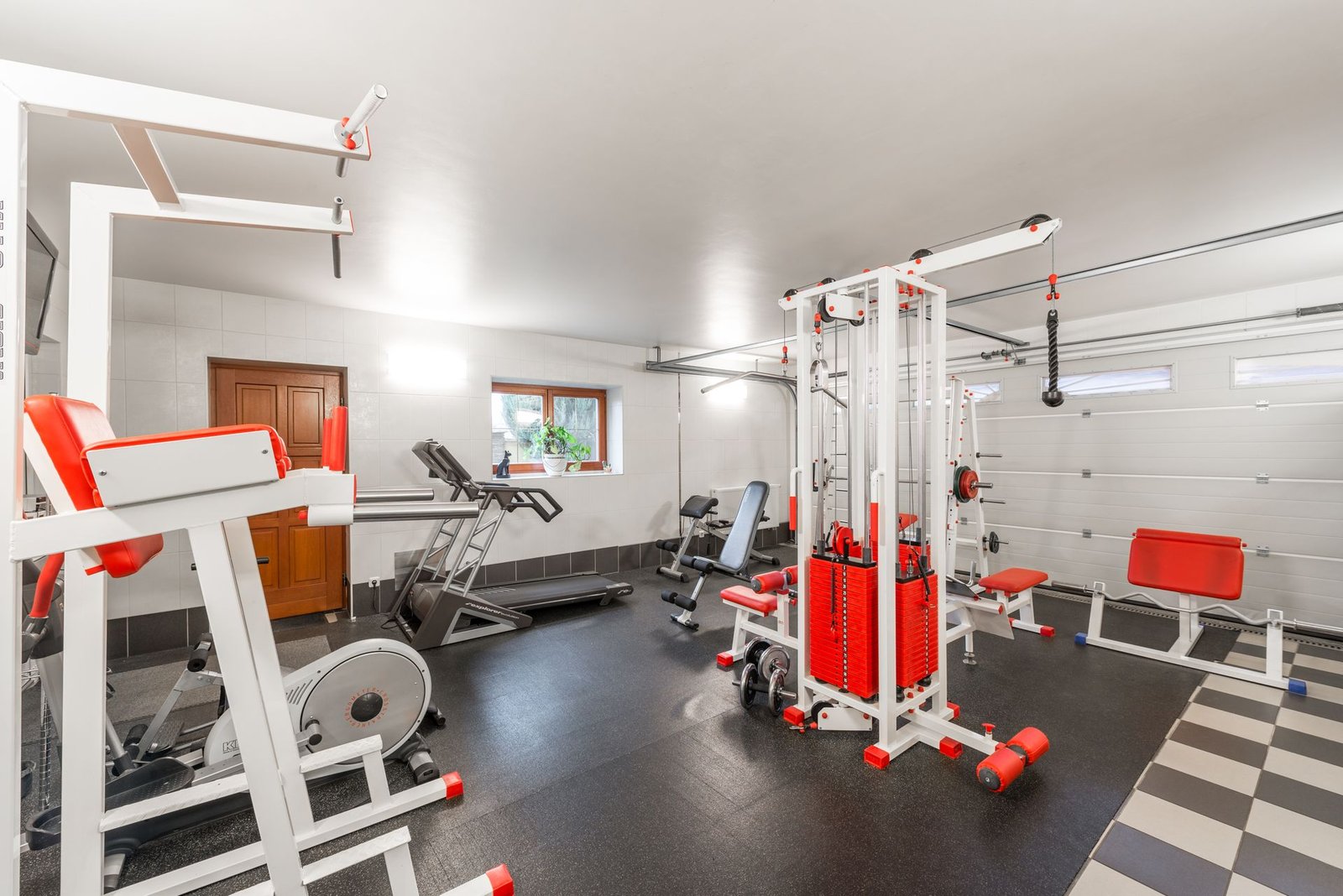
Complete the home gym, not just the desk. A walking pad covers your daily steps and cardio base. Add strength work and the picture is complete: our guide to the best adjustable dumbbells for home workouts covers the lifting side in one compact set, and a good bench unlocks far more from them — see our picks for the best adjustable weight bench for home gyms.
❓ Frequently Asked Questions
Are walking pads too noisy for an apartment?
Usually not. The quiet models here run around 41–45 dB at desk speeds — roughly library volume — and even the heavier MERACH sits near 54 dB. Honestly, the quietest walking pad is the one your downstairs neighbor never hears about: use a mat, avoid hollow floors where you can, and keep speeds low at unsociable hours. 🏠
What speed can I actually work at?
Most people type and mouse comfortably at 1–2 mph, take calls happily up to about 3 mph, and find anything faster turns into a workout rather than work. Start at 1 mph for the first week — your step count jumps long before the speed feels heroic.
How much weight can a walking pad really hold?
Flat pads range from 220 lb (WalkingPad C2) to a certified 330 lb (MERACH W60 Plus). Treat “recommended” limits as the real ones, and choose a pad rated at least 30–50 lb above your weight for quieter running and a longer motor life.
Where do I store a walking pad?
Fold-in-half models like the C2 and A1 Pro slide under most sofas and beds at about five inches thick. Flat pads lean against a wall or stand upright, and nearly all of them have transport wheels — just check the weight first, because they range from 27 lb to a hefty 74.5 lb.
What maintenance does a walking pad need?
Less than you’d fear. Add a few drops of silicone belt lubricant under the belt every few months (UREVO suggests roughly every 125 miles), re-centre the belt if it drifts, keep dust out from under the deck, and wipe it down after sweaty sessions. Five minutes a month is plenty.
What is the difference between a walking pad and a treadmill?
A walking pad is a flat, low deck built for slow speeds under a desk — typically up to about 4 mph, no console tower, and easy storage. A treadmill adds a raised console and handrail, higher speeds for running, and usually incline. The 2-in-1 models in this guide deliberately blur that line.
Found this guide useful? Every purchase through our links helps keep thenandnows.com running — thank you for the support. 🙏
Disclosure: This article contains affiliate links. If you buy through them, thenandnows.com may earn a small commission at no extra cost to you. It never changes which products we recommend.