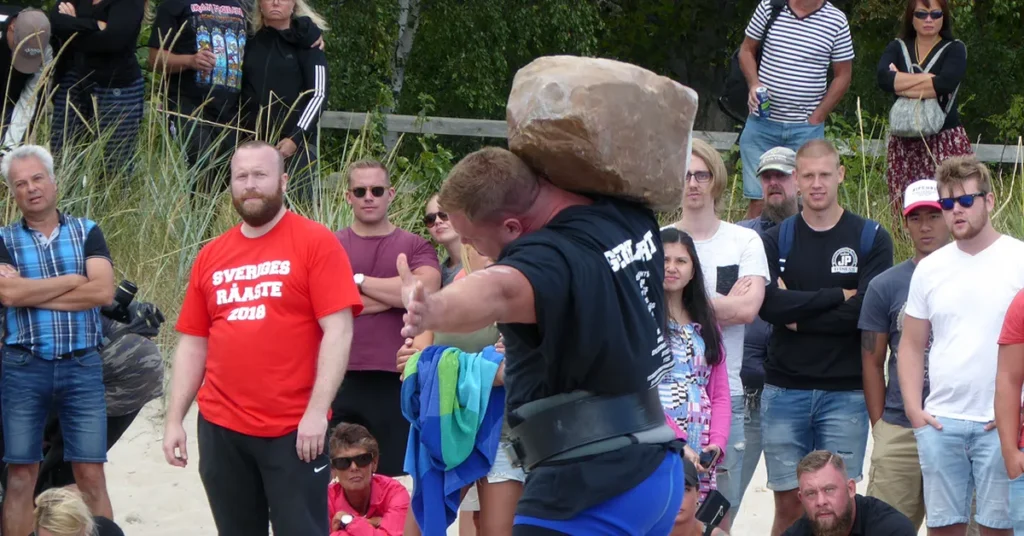
A back brace is a lumbar support worn around the waist: a wrap, a belt-style brace or a panelled brace built around neoprene, knit, pads, stays or straps that steadies the lower back while you lift, carry, work or train. It is not the same thing as a weightlifting belt, which is a stiff belt worn only for heavy lifts; not a back stretcher, which is a device you lie on; not a posture corrector, which is a shoulder-strap wearable; and not a compression shirt, which squeezes the whole upper body without aiming support at the lower back itself. A brace supports the lower back across a session; a belt only braces one lift, a stretcher only stretches, a corrector only pulls the shoulders, and a shirt only squeezes.
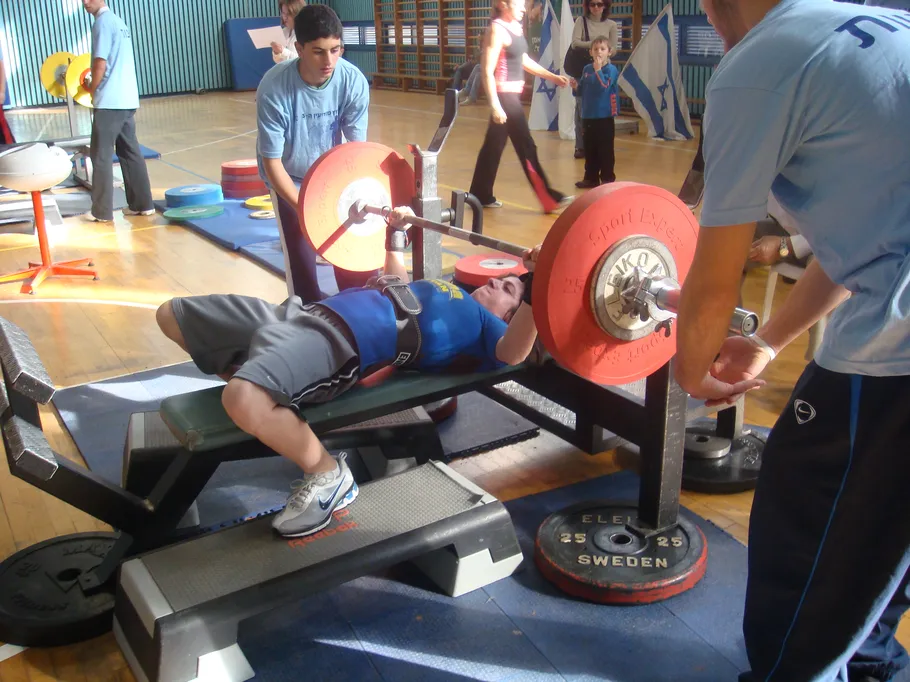
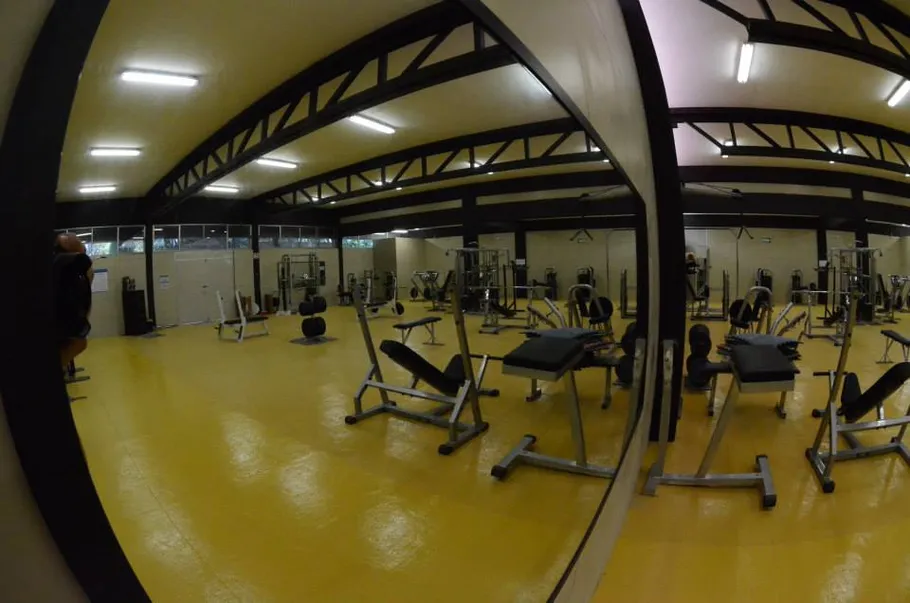
Every photo in this guide is an honest gym, sport or work scene, not a photo of the named product. The makers’ own product shots are not free to reuse, so each figure shows the kind of lifting, carrying, work or training the brace is bought for — stone carrying, deadlifting, parcel carrying, box carrying, golf, planking, wheelbarrow work, bench pressing and gym floors — and the caption says so plainly. No figure here should be read as a picture of the brace named above it.
One safety note runs through the whole guide. A brace is general training and work support, not treatment. It does not fix pain, heal an injury or prevent one. If back pain is new, sharp, shooting down a leg, comes with numbness or weakness, follows a fall or injury, or keeps coming back, talk to a clinician before training through it, and stop if a brace makes anything worse. The sizing and fit notes below are general information only — always check the listing’s own size chart before ordering.
If you are building out the kit around your training, this guide follows our best shoulder braces for home gyms guide: shoulders and the lower back are the two areas most home-gym sessions end up supporting, and the braces below cover the lower-back half of that pair.
⚡ Quick Picks
Short on time? Here is the whole guide in six lines. For striking days, the gloves in our best MMA gloves for home gyms guide pair with the same home-gym routine.
- 1. McDavid 493 — Best Classic: the latex-free neoprene wrap standard, with six steel stays and Level 3 support.
- 2. Mueller Adjustable Lumbar (255) — Best Adjustable: a double-layer wrap with a removable lumbar pad and four steel springs.
- 3. Sparthos Back Brace — Best Support: a pad, vertical stays and dual straps, with a stated wear limit to respect.
- 4. Copper Fit Advanced Back Pro (CFBACK) — Best Compression: a copper-infused compression brace in sizes up to 2XL/3XL.
- 5. BraceAbility LSO — Best Maximum Support: rigid front and back panels, the most structure in this guide.
- 6. NeoTech Care with Suspenders — Best Stay-Put: integrated suspenders that stop the brace riding down during work.
1. 🏋️ McDavid 493 Back Brace — Best Classic
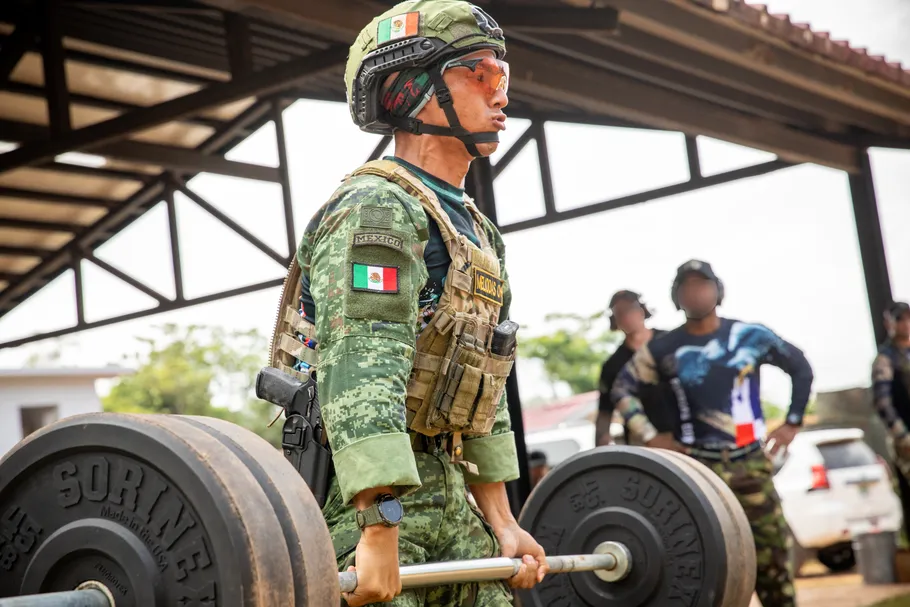
Specs: Latex-free neoprene back brace; six steel stays; Level 3 support; sizes S, M, L and XL by lower-back circumference and Regular and Large by waist (see the flag below).
The McDavid 493 is the classic of this guide — the simple neoprene wrap most people picture when they hear “back brace”. It wraps around the waist, the stays add structure up the back, and the latex-free neoprene keeps it wearable for lifters who react to latex. There are no panels to position and no suspenders to adjust — you wrap it, set it, and train.
The six stays are what lift this above a plain elastic wrap. A wrap alone squeezes; stays hold their shape, so the brace keeps its structure through a set instead of bunching at the waist. That is the difference between the classic wrap here and the compression pick further down, which flexes with movement instead of holding a shape.
Pros:
- The classic wrap shape — simple, easy to fit mid-session.
- Six steel stays hold structure through a set.
- Latex-free neoprene for lifters who react to latex.
Cons:
- Two size systems conflict between sources (see the flag below).
- Neoprene runs warm over a long session.
- No removable pad — the pad question is answered by the Mueller pick below.
Who it’s for: lifters who want the classic adjustable back wrap and don’t mind checking the size chart twice before ordering.
⚠️ Flag — two size systems disagree: one chart sizes the 493 as S, M, L and XL by lower-back circumference — 63.5–78.7 cm, 71.1–96.5 cm, 91.4–127 cm and 127–152.4 cm — while a separate chart sizes it as Regular and Large by waist — 27–42 inches and 36–52 inches. The two systems overlap and cannot both be followed at once, so measure exactly as the listing you order instructs, and match against that listing’s own chart, not the other source’s.
2. 🔧 Mueller Adjustable Lumbar Back Brace (255) — Best Adjustable

Specs: Double-layer wrap back brace; removable lumbar pad; four steel springs; sizes Small 22–30 inches, Regular 28–50 inches and Plus 50–70 inches.
The Mueller 255 is the adjustable pick — the brace for people who want to change the support, not just tighten it. The lumbar pad comes out, so the same brace can be worn padded on a heavy day and flat on a light one, and the double-layer wrap tightens in two stages: the inner layer sets the fit, the outer layer sets the compression.
The four steel springs sit between the 493’s six stays and the compression pick’s no-stay knit. Springs flex more than stays, so this brace moves with you better than the classic wrap, while still holding more shape than a plain compression sleeve. That middle ground is the point of the pick.
Pros:
- Removable pad — padded or flat from the same brace.
- Double-layer wrap tightens in two stages.
- Wide size range, up to a 70-inch Plus band.
Cons:
- Regular and Plus share the 50-inch boundary (see the flag below).
- A lookalike Mueller 6711 confuses the listing (see the flag below).
- Springs hold less rigid shape than the LSO panels below.
Who it’s for: buyers who want to adjust the pad and the compression separately, and who measure carefully at the shared boundary.
⚠️ Flag — a shared boundary and a lookalike: the Regular band runs 28–50 inches and the Plus band runs 50–70 inches, so a 50-inch waist sits on both charts — check the listing’s own guidance for boundary sizes before ordering. Separately, a Mueller 6711 brace with eight springs and no pad is a different product, not this pick: if the listing shows eight springs or no pad, it is not the 255.
👉 Check Mueller Adjustable Lumbar on Amazon
3. 💪 Sparthos Back Brace — Best Support

Specs: Back brace with removable lumbar pad; vertical support stays; dual adjustable straps; maker wear limit of 3 hours per session and 8 hours per day.
The Sparthos is the support pick — the brace that combines the pieces the first two picks split apart. It has the removable pad of the Mueller, the vertical stays of the McDavid, and dual straps that adjust the pull from two directions instead of one. For carrying, lifting and long work sessions, that combination is why it leads this guide’s support verdict.
The wear limit is the part to respect. The maker’s manual caps wear at 3 hours per session and 8 hours per day, which is a real constraint for anyone planning to wear a brace all shift. A support brace is not an all-day garment by the maker’s own rules — plan breaks, and treat the limit as part of the purchase, not fine print.
Pros:
- Pad, stays and dual straps in one brace.
- Strong all-round support for carrying and lifting.
- Straps adjust from two directions for an even fit.
Cons:
- Wear limit of 3 hours per session and 8 hours per day.
- The maker’s pain-relief claims are claims, not findings.
- No rigid panels, so less structure than the LSO below.
Who it’s for: carriers and lifters who want pad-plus-stays support and will respect the wear limit.
⚠️ Flag — claims and limits: the maker’s pain-relief wording is the maker’s claim, not a measured finding, and this guide does not repeat it as fact. The 3-hour session limit and 8-hour day limit come from the same manual — if your workday needs longer continuous wear, this is not the pick for it.
👉 Check Sparthos Back Brace on Amazon
4. ✨ Copper Fit Advanced Back Pro (CFBACK) — Best Compression

Specs: Copper-infused compression back brace; sizes S/M 28–39 inches, L/XL 39–50 inches and 2XL/3XL 50–60 inches.
The Copper Fit Advanced Back Pro is the compression pick — the brace for people who want stretch, not structure. There are no stays and no panels here: a copper-infused knit hugs the waist, flexes with every twist, and stays comfortable through a round of golf, a walk or a light session in a way a stayed brace never will.
Compression and support are different jobs, and this pick is honest about which one it does. It will not hold the rigid shape of the LSO or the stayed shape of the 493 — what it offers is even, flexible compression across the lower back, in three bands up to a 60-inch 2XL/3XL size.
Pros:
- Compression knit flexes with every movement.
- Three bands up to a 60-inch 2XL/3XL size.
- Simple pull-on style with no settings to learn.
Cons:
- Size bands share the 39-inch and 50-inch boundaries (see the flag below).
- Copper benefit claims are maker claims only.
- No stays or panels, so less structure than every stayed pick here.
Who it’s for: active buyers who want flexible compression for twisting days and don’t need rigid structure.
⚠️ Flag — shared boundaries and copper claims: the S/M band ends at 39 inches where L/XL begins, and L/XL ends at 50 inches where 2XL/3XL begins, so 39-inch and 50-inch waists sit on two charts each — check the listing’s own boundary guidance before ordering. The copper-infused wording is the maker’s claim, not a measured finding, and this guide does not repeat it as fact.
👉 Check Copper Fit Advanced Back Pro on Amazon
5. 🛡️ BraceAbility LSO Back Brace — Best Maximum Support
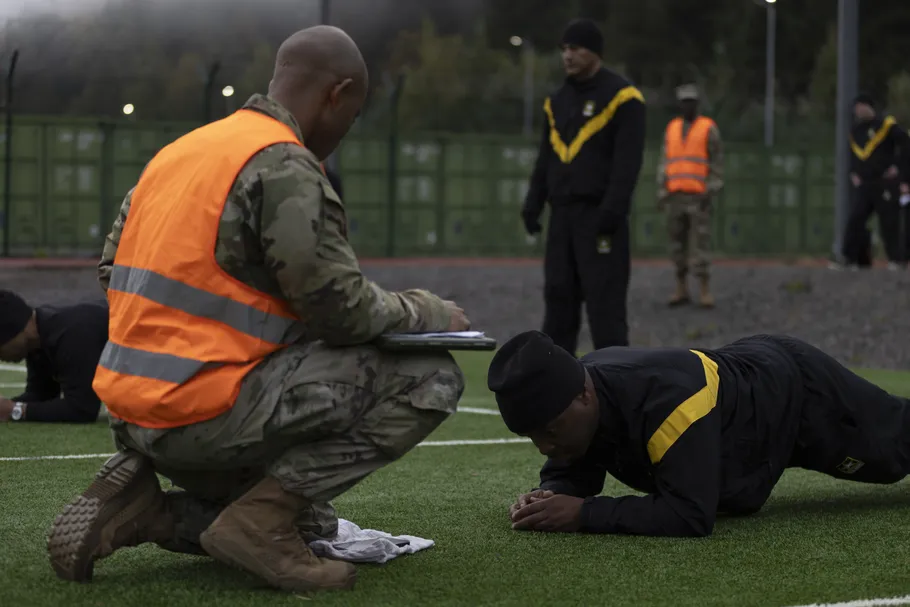
Specs: Rigid-panel LSO back brace; rigid front and back panels; back panel 15¼ inches tall, abdominal panel 9¾ inches tall; sizes S–4XL; hot/cold pack pocket.
The BraceAbility LSO is the maximum-support pick — the only rigid brace in this guide. Where the other five flex, wrap or stay, this one panels: a rigid back panel 15¼ inches tall and a rigid abdominal panel 9¾ inches tall hold the torso’s shape in a way no stay or spring can match. For buyers who want the most structure a non-prescription brace offers, this is the end of the scale.
The hot/cold pack pocket is the detail that shows the pick’s intent. This brace is built for people managing ongoing back care around their training, not just for one heavy session — the pocket takes a pack, the panels hold the shape, and the S–4XL range spans seven sizes.
Pros:
- Rigid panels — the most structure in this guide.
- Tall back panel coverage at 15¼ inches.
- Hot/cold pack pocket for ongoing back care.
Cons:
- The bulkiest brace here — rigid panels do not hide under tight clothing.
- S–4XL still needs an exact waist measure, not a guess.
- A softer same-name variant confuses the listing (see the flag below).
Who it’s for: buyers who want the most rigid structure available without a prescription, and who accept the bulk that comes with it.
⚠️ Flag — a softer same-name variant: a softer BraceAbility LSO variant with aluminum stays and interchangeable pads is a different product, not this pick. If the listing shows aluminum stays or interchangeable pads instead of rigid front and back panels, it is not the rigid LSO described here.
👉 Check BraceAbility LSO on Amazon
6. 🦺 NeoTech Care Back Brace with Suspenders — Best Stay-Put

Specs: Back brace with integrated suspenders; four flexible stays; breathable non-stretch fabric; sizes S under 31 inches, M 29–33 inches, L 32.25–36.25 inches, XL 34.25–39 inches and XXL 38–42 inches; measure at the belly button, not by pant size.
The NeoTech Care is the stay-put pick — the brace that solves the oldest complaint in this category. Every waist brace rides down eventually; suspenders over the shoulders stop that. The integrated suspenders hold the brace at the same height through a wheelbarrow run, a carrying shift or a training session, so the support stays where it was fitted instead of sliding to the hips.
The four flexible stays and breathable non-stretch fabric complete the work-first design. Stays hold shape without the rigidity of the LSO panels, and a non-stretch fabric means the fit you set is the fit you keep — no slow loosening through the day. It is the pick for people whose brace has to survive a shift, not just a set.
Pros:
- Integrated suspenders stop the brace riding down.
- Four flexible stays hold shape without full rigidity.
- Breathable non-stretch fabric keeps the set fit.
Cons:
- Size bands overlap at every step (see the flag below).
- Suspenders add straps to adjust before every wear.
- Belly-button measuring is easy to get wrong if you use pant size instead.
Who it’s for: workers and lifters whose brace keeps sliding down, and who will measure at the belly button as instructed.
⚠️ Flag — overlapping bands and the measuring rule: the bands overlap throughout — S under 31 inches, M 29–33 inches, L 32.25–36.25 inches, XL 34.25–39 inches and XXL 38–42 inches — so most waists fall in two bands at once. Measure at the belly button, not by pant size, and check the listing’s own boundary guidance before ordering.
👉 Check NeoTech Care Back Brace on Amazon
📊 Comparison Table
| Pick | Best for | Support type | Sizes | Standout |
| McDavid 493 | Classic | Wrap, 6 steel stays | S–XL + Regular/Large (see flag) | Latex-free neoprene |
| Mueller 255 | Adjustable | Wrap, pad, 4 springs | Small–Plus, 22–70 in | Removable lumbar pad |
| Sparthos | Support | Pad, stays, dual straps | Per listing (see flag) | 3-hour session wear limit |
| Copper Fit CFBACK | Compression | Compression knit, copper-infused | S/M–2XL/3XL, 28–60 in | Flexible compression knit |
| BraceAbility LSO | Maximum support | Rigid front + back panels | S–4XL | 15¼-inch back panel |
| NeoTech Care | Stay-put | Suspenders, 4 stays | S–XXL (see flag) | Integrated suspenders |
The table is honest about its limits. Sizes are not directly comparable across brands — the McDavid row carries two conflicting size systems, the Mueller and Copper Fit rows carry shared boundaries, the NeoTech row carries overlapping bands, and the Sparthos row rests on the listing’s own chart — so the table shows the headline basis and the flags in each section carry the detail. No weight column appears because no maker here publishes a brace weight consistently, and guessing them would mislead. The second column is this guide’s verdict, not the makers’ own claims.
Also considered, without links: the Mueller 6711 and the softer BraceAbility LSO variant. Each was left out because it duplicates a pick here under a confusingly similar name — check the flags above before ordering either of them by mistake.
🧭 How to Choose the Right Back Brace
Start with the support type, not the brand. A wrap suits adjustable compression for general training. An adjustable brace suits buyers who want to change the pad and the compression separately. A support brace suits carriers and lifters who want pad-plus-stays strength. A compression brace suits active days where stretch matters more than structure. A rigid LSO suits buyers who want the most structure available without a prescription. A suspender brace suits workers whose brace keeps sliding down. Buying more structure than your training needs usually means a brace that stays in the drawer.
Measure the way your pick’s chart instructs, because every brand in this guide measures differently. McDavid charts use lower-back circumference in centimetres on one chart and waist in inches on another. Mueller and Copper Fit charts share boundaries between bands. NeoTech charts overlap at every step and demand a belly-button measure, not a pant size. One measuring method across all six picks would mis-size at least one of them — follow the listing you order, and re-measure rather than trusting the size you bought last time.
Match the brace to the session, and the session to the rest of the kit. Heavy barbell days pair with the dumbbell work in our best adjustable dumbbells for home workouts guide, and the guards in our best groin guards for home gyms guide and our best mouthguards for home gyms guide cover the contact side of the same routine. A brace supports the lower back; it does not replace warm-ups, technique or rest days.
Try the wear limit before you commit to a shift. The Sparthos cap of 3 hours per session is the clearest example, but every brace here feels different after an hour than it does after five minutes. Wear it through a full training session at home first — if it bunches, rides down or digs in, the size or the type is wrong, and a different pick in this guide will fit better than forcing the first one.
❓ Frequently Asked Questions
Can a back brace fix back pain?
No — and any guide that says otherwise is overselling. A brace supports the lower back while you lift, carry, work or train; it does not heal an injury, repair a disc or cure a condition. Pain that is new, sharp, shooting down a leg, comes with numbness or weakness, follows a fall or injury, or keeps coming back deserves a clinician’s eyes before any brace is bought. Use a brace for support during tasks, not as a substitute for advice.
What is the difference between a brace, a belt, a stretcher and a posture corrector?
A brace is a lumbar support worn around the waist for a whole session of lifting, carrying or training. A weightlifting belt is a stiff belt worn only for heavy lifts, then taken off. A back stretcher is a device you lie on to stretch, not something you wear. A posture corrector is a shoulder-strap wearable that pulls the shoulders back. They solve different problems — buying a belt when you need all-day support, or a stretcher when you need a wearable, is the most common mistake in this category.
How do I measure for a back brace?
Follow the listing’s own chart, because the six picks here measure differently: McDavid charts use lower-back circumference or waist depending on the source, Mueller and Copper Fit charts share boundaries between bands, and NeoTech demands a belly-button measure rather than a pant size. If your measurement falls on a shared or overlapping boundary, check the listing’s own boundary guidance rather than guessing — a brace that is one band out will either bunch or dig in.
Can I wear a back brace all day?
Not every brace is made for that. The Sparthos manual caps wear at 3 hours per session and 8 hours per day, and that limit is part of the purchase. For any brace, take breaks, and stop if you feel numbness, tingling or weakness, or if pain gets worse — those are clinician questions, not signs to tighten the brace further.
Will wearing a brace weaken my back?
This guide’s records do not settle that question, and it does not claim otherwise. A brace supports the lower back during tasks; it does not replace the muscles that move you. Keep training, warming up and resting as normal, and ask a clinician about long-term or daily wear rather than assuming a brace alone is a plan.
What else helps a home gym beyond a back brace?
Recovery kit rounds out the setup — our best foam rollers for home gyms guide covers the roller most home gyms start with. Keep the same honesty rule: a roller, like a brace, is training support, not treatment, and a back that keeps hurting still deserves a clinician first.
Thanks for reading — if this guide helped you pick, the links above support the site at no extra cost to you.
Disclosure: As an Amazon Associate, we earn from qualifying purchases made through links on this page, at no extra cost to you. Product details and availability should be checked on the listing page before ordering.
Pingback: Best Hip Braces for Home Gyms (2026)