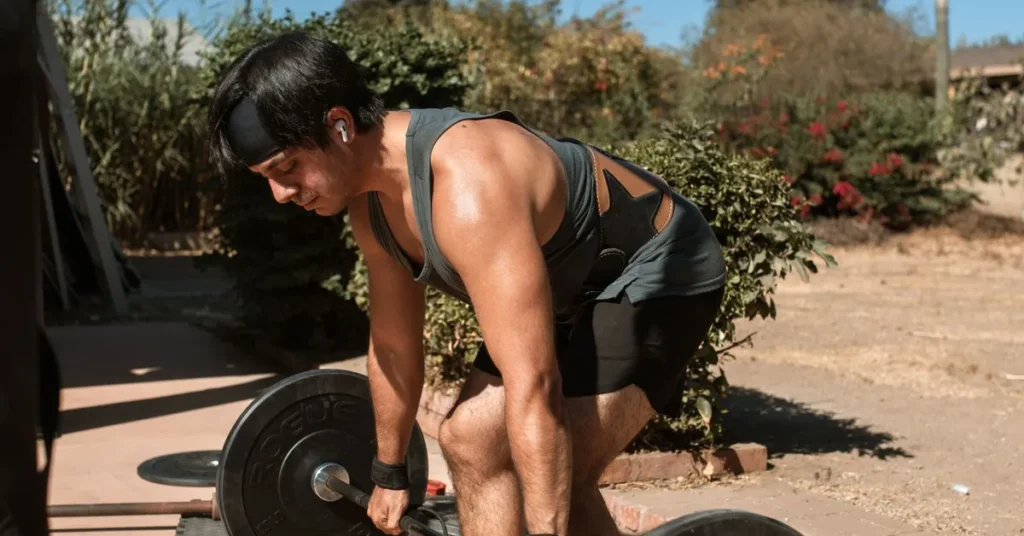
A weightlifting belt is a wide stiff band worn around the waist for heavy squats and deadlifts, braced against for the set. It is NOT wrist wraps, which is a short stiff band wound around the wrist per set — the same stiff-band idea, a different joint.
It is NOT a back brace, which holds the lower back with stays and pads for support. It is NOT a dip belt, which hangs plates from the waist for weighted dips and pull-ups.
It is NOT a posture corrector, which pulls the shoulders back, and it is NOT a compression shirt, which squeezes the torso. It is NOT a lifting strap, which helps the grip on pulls, and it is NOT a knee wrap.
A belt covers the waist only, worn tight for the heavy set and loosened between sets. The belt stays on for the whole heavy set — that brace-against-it rhythm is the whole point of a belt.
This guide follows our previous guide, Best Wrist Wraps for Home Gyms — a wrist wrap winds around the wrist for the press, while a belt wraps around the waist for the squat and the deadlift. Many home-gym lifters look at both before deciding which stiff band fits their training.
The six picks below run from a classic Inzer lever to a nylon Schiek. Each one states its own thickness and closure honestly, including the lookalikes you should not buy past.
Every photo in this guide is an honest gym scene, not a product shot. None of the lifters shown is wearing the named pick — the captions say what each photo actually shows.
One safety note before the picks: this guide is general information only. A belt does not treat or cure back pain, hernias, disc problems or any back condition, and it is not a substitute for medical advice.
If you have persistent pain, numbness, weakness, or a recent injury, talk to a clinician first — and never train through sharp pain to test a belt.
A belt that hurts, pinches, or leaves marks that do not fade quickly is worn too tight — loosen it and reassess. And a belt that rides up during a set is worn wrong, whatever the chart says.
⚡ Quick Picks
Six weightlifting belts at a glance — a classic Inzer lever, a competition SBD, a premium Rogue, an adjustable Pioneer, a value Gymreapers and a nylon Schiek.
If your training needs hand protection rather than waist support, a glove does a different job — grip and padding for the hands, not a stiff band for the waist — and our MMA gloves guide covers that half of the kit.
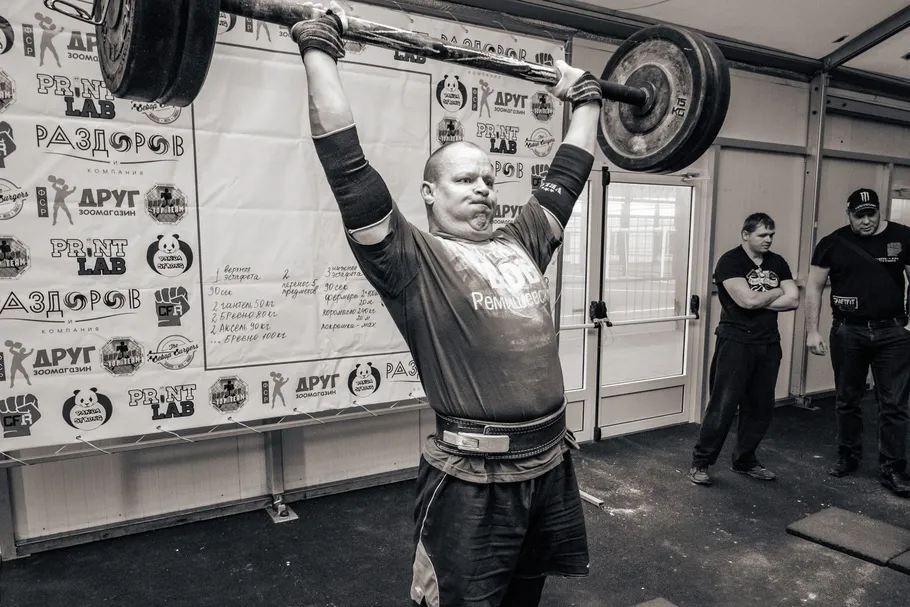
Photo: Alexa Popovich, Pexels — A lifter pressing a barbell overhead at a competition, wearing a lever belt, an honest gym scene, not a product shot.
- Inzer Forever Lever Belt 10mm — Best Classic: the classic leather lever belt, 10 mm thick and IPF approved, with a “Guaranteed forever” promise.
- SBD Belt 13mm — Best Competition: the thickest belt here at 13 mm, with a patented gliding lever and IPF approval.
- Rogue Ohio Lifting Belt — Best Premium: a premium American-made single-prong belt in vegetable-tanned leather.
- Pioneer Cut 10mm Powerlifting Belt — Best Adjustable: the adjustable pick, with two offset rows of holes for half-inch steps.
- Gymreapers 10mm Lever Belt — Best Value: the value lever belt, 10 mm thick with a lifetime warranty on belt and lever.
- Schiek Model 2004 Lifting Belt — Best Nylon: the nylon pick, a contoured Velcro belt for training only.
1️⃣ Inzer Forever Lever Belt 10mm — Best Classic
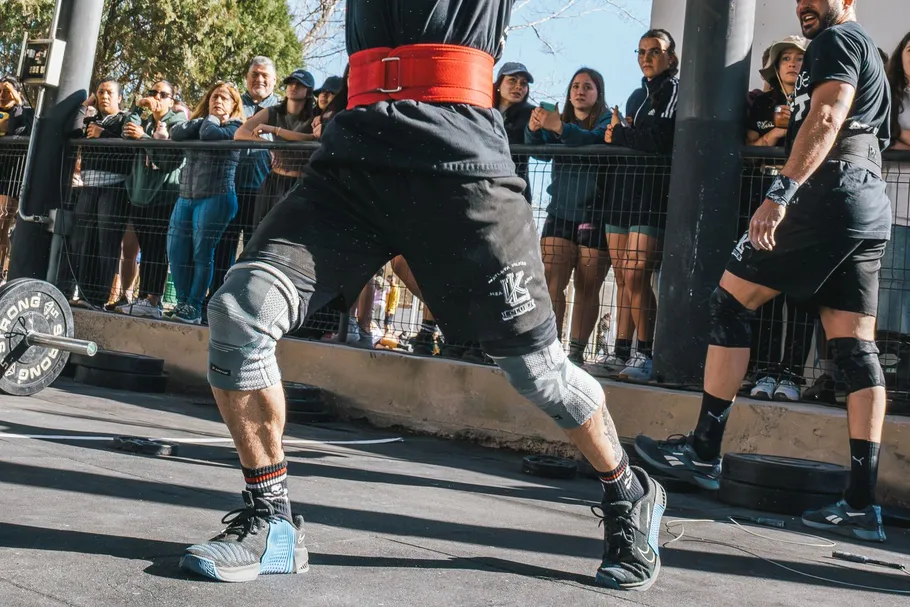
Photo: Mateo Franciosi, Pexels — A lifter at an outdoor competition, wearing a bright red leather belt, an honest gym scene, not a product shot.
Specs: 10 mm thick (actual ~11 mm per one review); 10 cm wide; lever closure; IPF approved; made in the USA; sizes XS–3XL (waist 22–50″); four rows of stitching on the 10 mm; lever adjusts with screws; “Guaranteed forever”.
The Inzer is the classic pick: the lever belt other lever belts are measured against, in the same 10 mm leather the brand has sold for decades.
The honest limit is the lever. It fastens in seconds, but moving it to a new hole needs screws and a tool, so it suits one waist size per session, not sharing.
Pros:
- Lever closure — fast on and off between sets.
- IPF approved at 10 mm thick.
- “Guaranteed forever” from the maker.
Cons:
- Lever needs screws to adjust (see the flag below).
- Four rows of stitching, not the thickest here.
- Confirm the 10 mm lever, not the 13 mm or prong version.
Who it’s for: lifters who want the classic lever belt and set it once for their own waist.
⚠️ Confirm the 10 mm lever, not the 13 mm or the prong version: Inzer sells the same belt in 13 mm and with a prong buckle. Confirm the words “10mm” and “Lever” on the listing.
Separately, the 10 cm width is the IPF maximum, and the four rows of stitching are the maker’s count for the 10 mm. And the lever is a separate part — check it is included, not sold apart.
👉 Check Inzer Forever Lever Belt 10mm on Amazon
2️⃣ SBD Belt 13mm — Best Competition
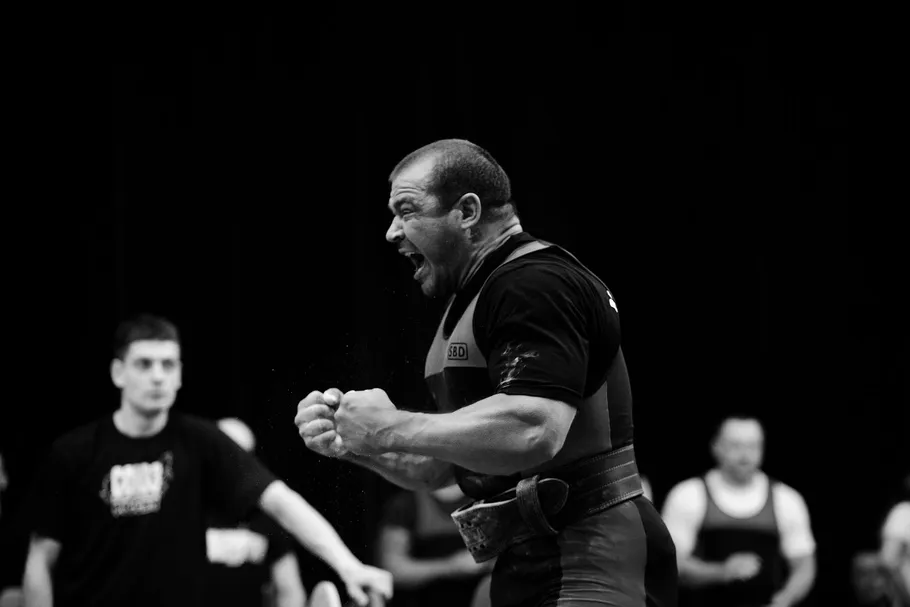
Photo: Dmitrii Eremin, Pexels — A powerlifter celebrating at a competition, wearing a leather belt, an honest gym scene, not a product shot.
Specs: 13 mm thick; 10 cm wide; patented gliding lever closure; four layers of British cowhide; IPF approved; made in Great Britain; sizes XS–5XL; red suede interior; black oiled leather finish.
The SBD is the competition pick: the thickest belt here at 13 mm, the IPF maximum, with a gliding lever that adjusts like a prong.
The honest limit is the thickness. Thirteen millimetres is the stiffest belt here, and a new one needs breaking in before it sits right on the waist.
Pros:
- Thickest belt here at 13 mm — the IPF maximum.
- Gliding lever adjusts without tools.
- Four layers of British cowhide.
Cons:
- The stiffest belt here — needs breaking in.
- Confirm the 13 mm, not the 10 mm version.
- The gliding lever is a patented part — check it is the genuine SBD lever.
Who it’s for: lifters who compete and want the thickest legal belt, with a lever that adjusts without tools.
⚠️ Confirm the 13 mm, not the 10 mm version: SBD sells the same belt in 10 mm. Confirm the words “13mm” on the listing — 13 mm is the IPF maximum thickness.
Separately, the 10 cm width is the IPF maximum, and the red suede interior is the maker’s finish, not a separate lining. And the four layers of cowhide are the maker’s count — check the listing for the same build.
👉 Check SBD Belt 13mm on Amazon
3️⃣ Rogue Ohio Lifting Belt — Best Premium
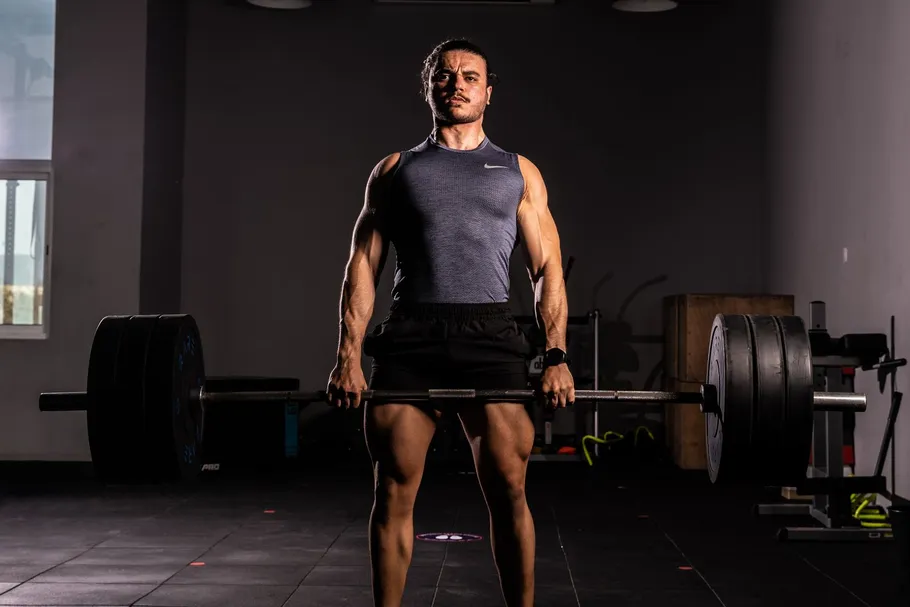
Photo: Abdulrhman Alkady, Pexels — A lifter holding a loaded barbell at lockout in a gym, an honest gym scene, not a product shot.
Specs: 10 mm thick; 4″ wide; vegetable-tanned American leather; single-prong roller buckle; made in the USA; sizes S–XXL (waist 21–45″ per one review); IPF and USAPL approved per two reviews.
The Rogue is the premium pick: an American-made single-prong belt in vegetable-tanned leather, from the brand most home gyms already buy from.
The honest limit is the paperwork. The IPF and USAPL approvals are review-stated, not maker-stated — check the current lists before competing.
Pros:
- Vegetable-tanned American leather, made in the USA.
- Single-prong roller buckle — simple and proven.
- IPF and USAPL approved per two reviews.
Cons:
- Approvals are review-stated — check the lists.
- Confirm the 4″ single-prong, not the 3″ double-prong.
- Prong adjusts in fixed holes, not half-inch steps.
Who it’s for: lifters who want the premium American-made prong belt and trust the simple buckle.
⚠️ Confirm the 4″ single-prong, not the 3″ double-prong: Rogue sells the same belt in a 3″ double-prong version. Confirm the words “4 inch” and “single-prong” on the listing.
Separately, the 4″ width is just under the 10 cm IPF maximum, and the 10 mm thickness matches the Inzer and the Pioneer here. And the sizes run S–XXL — measure the navel, not the trouser size.
👉 Check Rogue Ohio Lifting Belt on Amazon
4️⃣ Pioneer Cut 10mm Powerlifting Belt — Best Adjustable
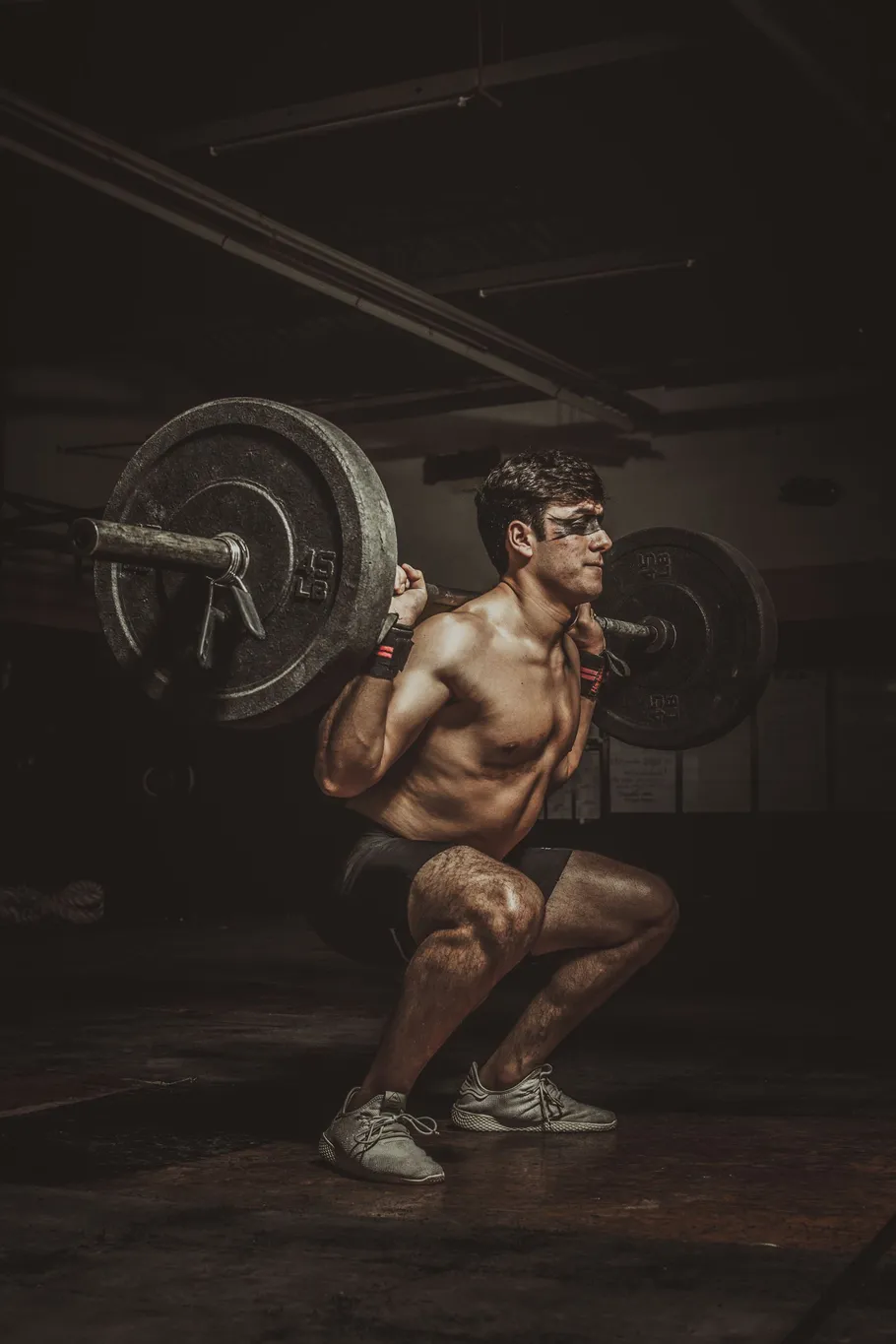
Photo: Leon Mart, Pexels — A lifter mid-squat with a barbell in a dark gym, wearing wrist wraps, an honest gym scene, not a product shot.
Specs: 10 mm thick; 4″ wide; single-prong closure; Pioneer Cut — two offset rows of holes for half-inch steps; sizes 22–52″; leather with suede options; custom colours and designs; made in the USA (General Leathercraft, Texas); lifetime warranty per one review.
The Pioneer is the adjustable pick: the only belt here with two offset rows of holes, so it tightens in half-inch steps instead of full-inch ones.
The honest limit is the approval. One older review says Pioneer was not IPF approved, and a 2026 roundup says only that it meets the size standards — so check the current approved list before competing.
Pros:
- Half-inch steps — the finest adjustment here.
- Custom colours and designs from the maker.
- Lifetime warranty per one review.
Cons:
- IPF approval is contested — check the list (see the flag below).
- Confirm the 10 mm prong with Pioneer Cut.
- Single-prong only — no lever version in this pick.
Who it’s for: lifters who want the finest fit and like choosing their own colours, and who check the list before competing.
⚠️ Do not buy this belt for an IPF meet without checking the list: Pioneer is not named as IPF approved in the sources checked here — one older review says it was not approved, and a 2026 roundup says only that it meets the size standards. Check the current approved list before competing.
Separately, the 4″ width is just under the 10 cm IPF maximum, and the 10 mm thickness matches the Inzer and the Rogue here. And the sizes run 22–52″ — measure the navel, not the trouser size.
👉 Check Pioneer Cut 10mm Powerlifting Belt on Amazon
5️⃣ Gymreapers 10mm Lever Belt — Best Value
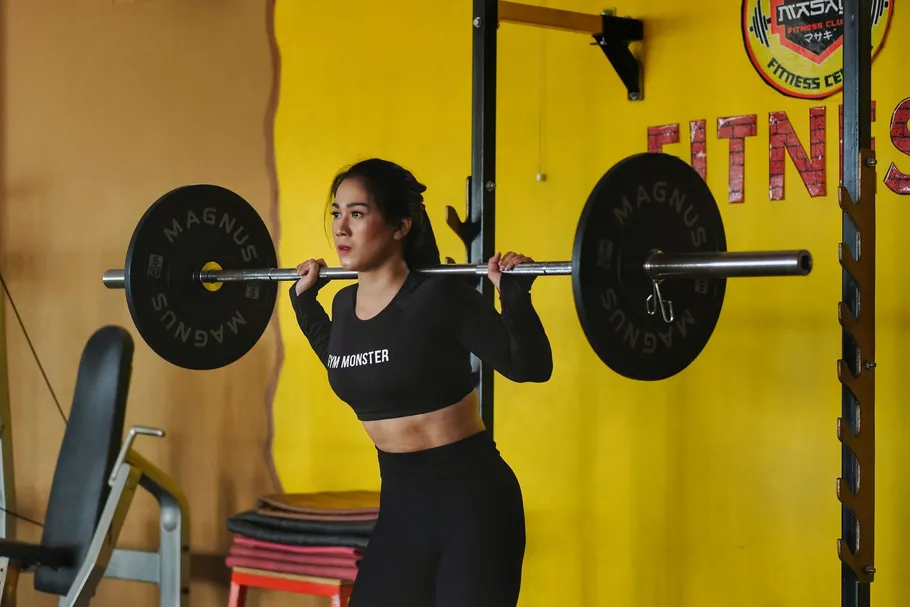
Photo: Jeny Godjali, Pexels — A woman squatting with a barbell in a gym, an honest gym scene, not a product shot.
Specs: 10 mm thick; 4″ wide; vegetable-tanned leather; suede liner; adjustable matte black steel lever; IPF, IPL, USPA and USAPL approved; sizes XS–XXL (waist 24–46″); lifetime warranty on the lever and the belt.
The Gymreapers is the value pick: a 10 mm lever belt with the approvals of the premium picks, at the value end of this guide.
The honest limit is the same as any lever: fast on, but a new hole needs tools, so it suits one waist per session.
Pros:
- Lever closure — fast on and off between sets.
- Four federation approvals from the maker.
- Lifetime warranty on the lever and the belt.
Cons:
- Lever needs tools to adjust (see the flag below).
- Confirm the 10 mm, not the 13 mm version.
- The approvals are maker-stated — check your federation’s list.
Who it’s for: lifters who want a lever belt with full approvals without the premium price.
⚠️ Confirm the 10 mm, not the 13 mm version: Gymreapers sells the same belt in 13 mm. Confirm the words “10mm” on the listing.
Separately, the 4″ width is just under the 10 cm IPF maximum, and the lifetime warranty covers the lever and the belt. And the sizes run XS–XXL — measure the navel, not the trouser size.
👉 Check Gymreapers 10mm Lever Belt on Amazon
6️⃣ Schiek Model 2004 Lifting Belt — Best Nylon
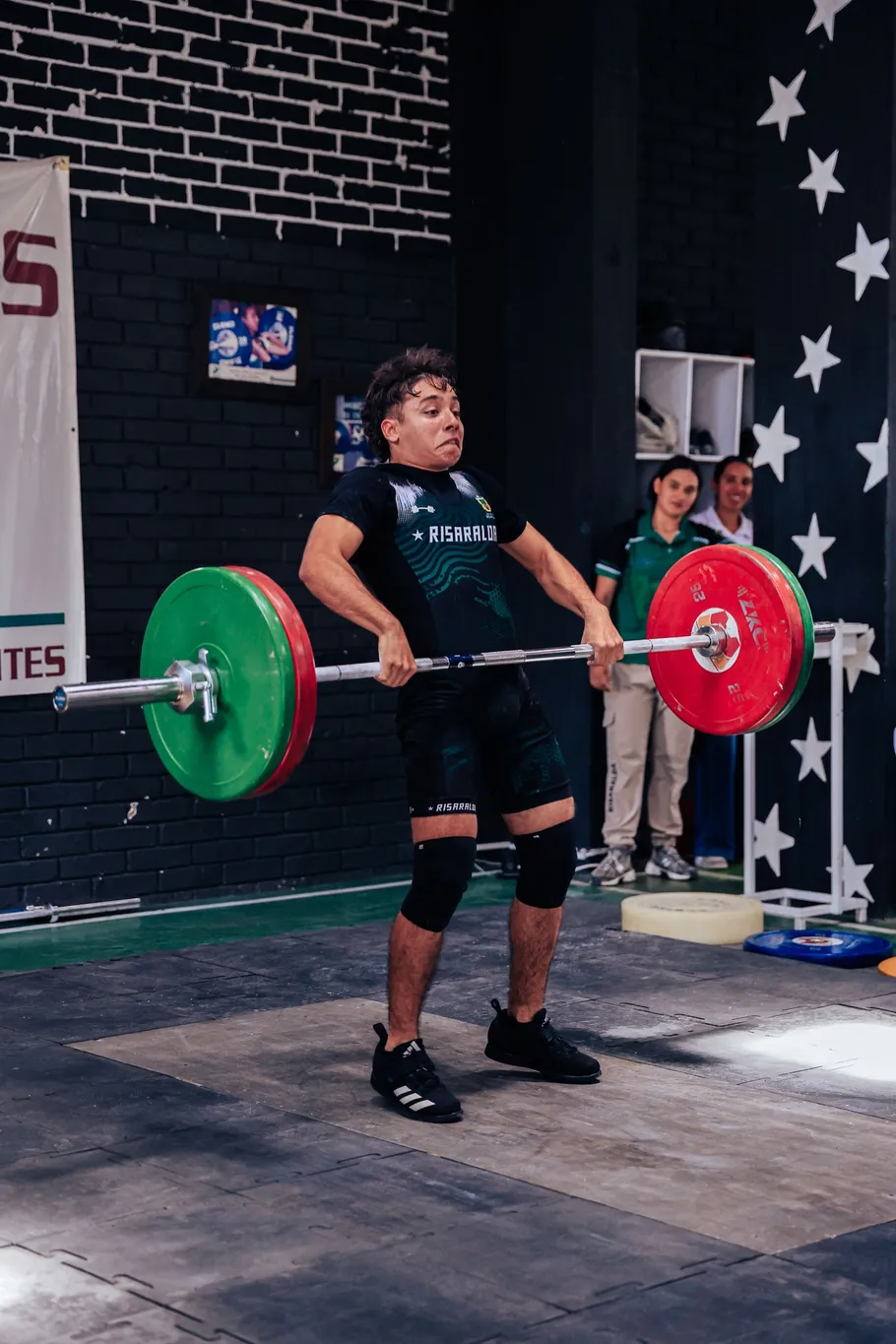
Photo: CRISTIAN CAMILO ESTRADA, Pexels — A young athlete lifting a barbell at a weightlifting competition, an honest gym scene, not a product shot.
Specs: 4.75″ wide at the back; contoured cone shape; one-way Velcro “Slide N’ Grip” closure; stainless-steel buckle; nylon with a lumbar insert; sizes XS (24–28″) to XXL (44–50″); 2-year warranty; made in the USA.
The Schiek is the nylon pick: the only belt here that closes with Velcro, shaped to the waist instead of cut straight.
The honest limit is the rulebook. At 4.75″ wide it is over the 10 cm IPF maximum, and Velcro is not IPF-legal — so this is a training belt, not a competition belt.
Pros:
- Velcro closure — the quickest on and off here.
- Contoured cone shape fits the waist.
- 2-year warranty from the maker.
Cons:
- Not competition-legal — training only (see the flag below).
- No thickness stated — do not compare it in millimetres.
- Confirm the Model 2004 nylon, not the L2004 leather.
Who it’s for: lifters who want a quick Velcro belt for training, and who do not need it for a sanctioned meet.
⚠️ Do not buy this belt for a sanctioned meet: the 4.75″ back is wider than the 10 cm IPF maximum, and Velcro is not IPF-legal. It is a training belt — check your federation’s list before competing.
Separately, the L2004 is a different product — a double-prong leather belt, not this nylon one — so confirm the words “Model 2004” on the listing. And the sizes run XS–XXL — measure the navel, not the trouser size.
👉 Check Schiek Model 2004 Lifting Belt on Amazon
📊 Comparison Table
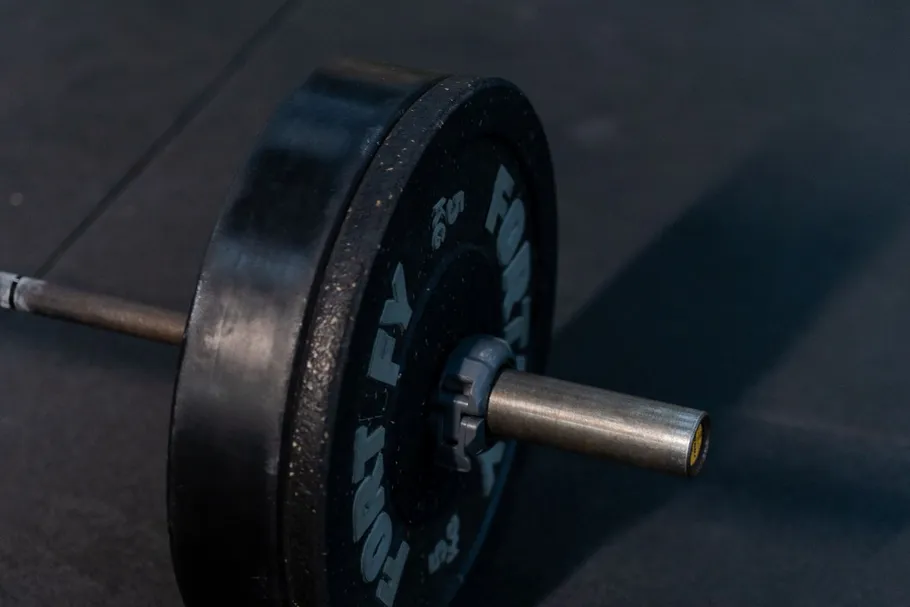
Photo: Wolf Art, Pexels — A loaded barbell resting on a gym floor, an honest gym scene, not a product shot.
| Pick | Thickness | Closure | Standout | Watch out |
| Inzer Forever Lever Belt 10mm | 10 mm | Lever | Classic pick | Lever needs screws to adjust |
| SBD Belt 13mm | 13 mm | Gliding lever | Thickest here | Stiffest — needs breaking in |
| Rogue Ohio Lifting Belt | 10 mm | Single-prong | Premium pick | Approvals are review-stated |
| Pioneer Cut 10mm Powerlifting Belt | 10 mm | Single-prong | Finest adjustment | IPF approval contested |
| Gymreapers 10mm Lever Belt | 10 mm | Lever | Value pick | Confirm the 10 mm |
| Schiek Model 2004 Lifting Belt | Not stated (nylon) | Velcro | Quickest closure | Training only — not competition-legal |
Table honesty note: the Thickness column mixes maker-stated millimetres for the five leather belts with “Not stated (nylon)” for the Schiek — the maker publishes no millimetre figure for it — so do not compare the numbers across rows.
The Closure column mixes lever closures with single-prong buckles and the Schiek Velcro — the gliding lever adjusts without tools, the standard levers need screws, and the Velcro is the quickest of all.
Do not crown any pick the widest in this guide: the Schiek is the widest at 4.75″, and that width is exactly why it is not competition-legal — the widest belt here is the training-only one.
The SBD is the thickest here at 13 mm, the IPF maximum, and the only belt here over 10 mm. The other four leather belts are all 10 mm — the same thickness, different closures.
Two picks carry an IPF note, not a plain approval: the Pioneer approval is contested — check the current list — and the Schiek is training only. The Inzer, SBD and Gymreapers are IPF approved as stated, and the Rogue approvals are review-stated.
🧭 How to Choose the Right Weightlifting Belt
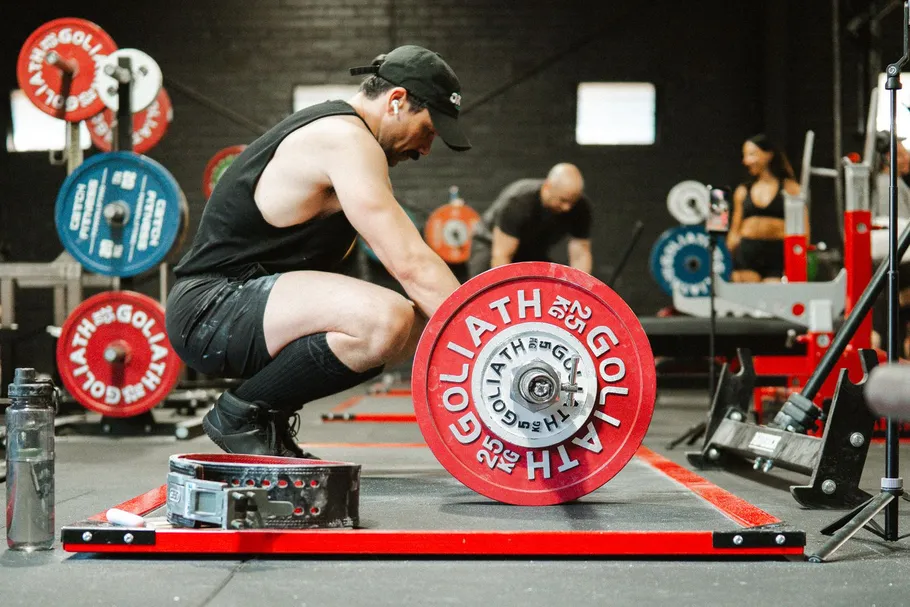
Photo: Harry Tucker, Pexels — A lifter setting up beside a loaded barbell, with a leather belt lying on the floor in front of him, an honest gym scene, not a product shot.
Start with the type. A belt wraps around the waist for the heavy set and comes off between sets. A back brace holds the lower back with stays and pads instead, and a dip belt hangs plates from the waist.
A brace suits buyers who want rigid hold or a splint for the back. A belt suits buyers who want something to brace against for one heavy set, then loosen.
None of these is a wrist wrap, a knee wrap, a posture corrector, a compression shirt or a lifting strap.
If it winds around a different joint, pulls the shoulders back, squeezes the torso, or helps the grip on pulls, it is not a weightlifting belt, whatever the listing title says.
Then pick the size. Belts are sold by waist size, so measure around the navel, not the trouser size. The picks here run from 21″ to 52″ across the brands, and most makers publish a size chart — check it.
A belt should sit on the waist snug enough to brace against, not loose enough to ride up. If it rides up during a set, it is worn wrong or sized wrong — loosen it and re-check the chart.
Check the federation rules before competing. A belt must be 10 cm wide or less and 13 mm thick or less under IPF rules, and it must be on the approved list. The Schiek is over the width limit, and the Pioneer approval is contested.
And check the current approved list, not the listing headline. The SBD is IPF approved at 13 mm, the Inzer and Gymreapers are IPF approved, and the Rogue approvals are review-stated — the list is the authority in every case.
Think about thickness, closure and material. The SBD is the thickest here at 13 mm; the other four leather belts are all 10 mm. A lever fastens in seconds, a prong is the simplest, and Velcro is the quickest of all.
Leather needs breaking in — the SBD most of all — while nylon is soft from the first session. A lever needs screws to move to a new hole; a prong moves hole to hole; the Pioneer Cut moves in half-inch steps.
A belt that pinches, slips or rides up is usually worn wrong, not broken — re-fit before re-ordering. And a belt that numbs is worn too tight, whatever the chart says.
A belt also pairs with stayed support, not instead of it — our back braces guide covers the stayed support for the lower back itself, so the waist is covered in two pieces.
Finally, kit out the rest of the session honestly. A belt braces the waist for the heavy set; it does not support the wrist — the wrist wraps guide covers the stiff band for the wrist, which winds on and off the same way.
And the heavy lifting that makes a belt useful still needs the basics, which is why our adjustable dumbbells guide sits alongside this one in a home gym.
❓ Frequently Asked Questions
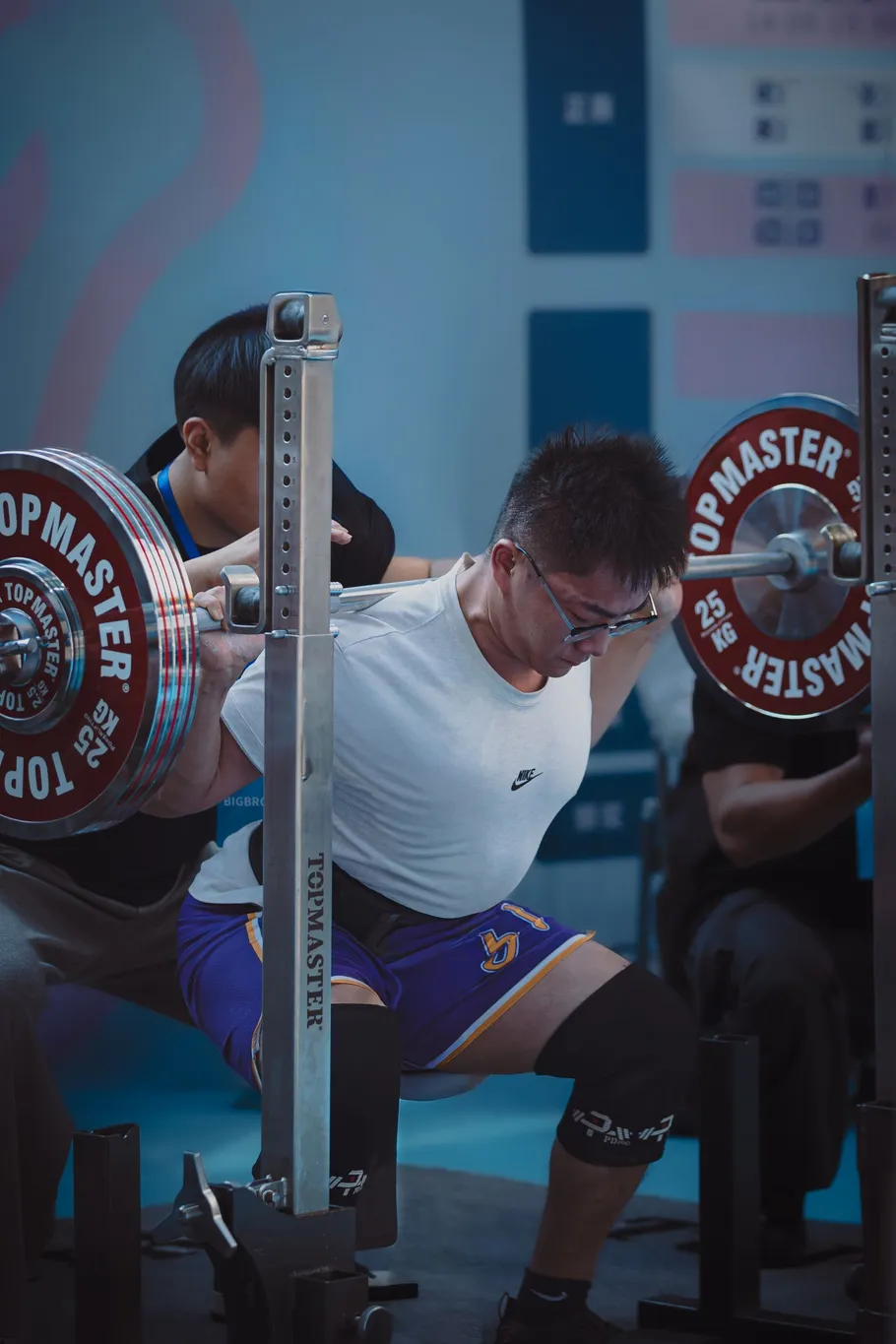
Photo: Matthew Jesús, Pexels — A lifter squatting with a loaded barbell at a competition, with a spotter behind him, an honest gym scene, not a product shot.
Will a weightlifting belt fix my back pain or prevent injury?
No. A belt wraps around the waist for one heavy set; it does not treat or cure back pain, hernias, disc problems or any back condition, and no pick in this guide claims otherwise.
A belt helps you brace harder, and studies report higher pressure inside the abdomen with a belt — but a review found no effect on injury rates.
Persistent pain, numbness, weakness, or a recent injury belongs with a clinician first — a belt is not a diagnosis, and training through sharp pain to test one is a bad idea.
What is the difference between a weightlifting belt, a back brace, a dip belt, a posture corrector and a lifting strap?
A weightlifting belt is a wide stiff band worn around the waist for heavy squats and deadlifts. A back brace holds the lower back with stays and pads, and a dip belt hangs plates from the waist for weighted dips.
A posture corrector pulls the shoulders back, and a lifting strap helps the grip on pulls. They cover different things — buying a brace when only a belt is needed, or a strap when only a stiff band will do, is the most common mistake in this category.
Can I wear a weightlifting belt in a powerlifting meet?
Yes, if it meets the rules. Under IPF rules a belt must be 10 cm wide or less and 13 mm thick or less, and it must be on the approved list.
The Schiek is over the width limit and Velcro is not IPF-legal, so it is training only. The Pioneer approval is contested — check the current approved list for your exact belt model before competing.
How do I measure for a weightlifting belt?
Measure around the navel, not the trouser size. Belts are sold by waist size, and the picks here run from 21″ to 52″ across the brands — check the maker’s size chart.
So the listing you order from is the authority on size, not any trouser measure. And a belt that rides up is worn wrong or sized wrong, whatever the chart says.
Lever or prong — which closure should I choose?
A lever fastens in seconds and holds the same tightness every set, but moving it to a new hole needs screws and a tool. A prong moves hole to hole with no tools, and the Pioneer Cut moves in half-inch steps.
So choose the lever if you set one waist size and leave it, and the prong if you share the belt or change size between lifts. And the Schiek Velcro is the quickest of all — but it is training only.
Do I need a belt for every lift, and how do I look after a leather one?
No. Wear a belt for heavy squats and deadlifts, and leave it off for warm-ups and lighter sets — your trunk should still work on its own. A belt is a tool for the heavy set, not a replacement for core work.
Keep leather dry, wipe it down after sessions, and store it flat or hung — never folded hard. And pair heavy lifting with gentle mobility, since our foam rollers guide covers the recovery side of a home-gym routine.
Thanks for reading — we hope this guide helps you pick a weightlifting belt that braces properly and does the job you actually need. If a thickness or a model name disagrees with what you measured, trust the listing, not the headline.
Disclosure: As an Amazon Associate, we earn from qualifying purchases made through links in this article, at no extra cost to you. Product details and availability can change, so please check the listing before ordering.
Pingback: Best Elbow Wraps for Home Gyms (2026)