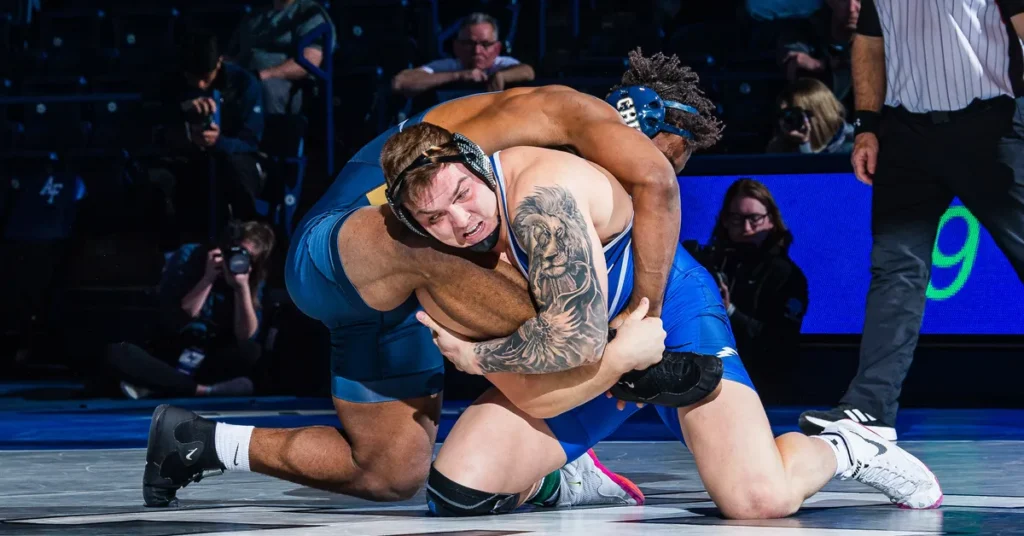
A wrestling shoe is a thin, light mat shoe for grappling footwork — takedowns, sprawls, shots and scrambles — with a gum-rubber sole that grips the mat without marking it. That last point is the whole difference: a wrestling shoe is built to hold the mat through explosive footwork and then release cleanly, step after step, without scuffing the surface. It is not a boxing shoe, which is a ring shoe for striking footwork and pivoting on canvas — a different sole pattern and a different job, though some athletes cross-use the two, and our best boxing shoes for home gyms guide covers that ring shoe. It is not barefoot BJJ training, which uses no shoe at all. And it is not a weightlifting shoe, which is a raised-heel lifting shoe built to hold a squat, not to move on a mat. If it is a thin, light shoe with a gum sole built for mat footwork, it is a wrestling shoe; anything ring-soled, barefoot or raised-heel is something else.
This guide covers wrestling shoes for home grappling only — six picks from the brands roundups return to again and again: ASICS, Adidas and Nike. If you train on a home mat only, you do not need a competition shoe — you need a shoe that grips your mat, fits your foot and survives drilling. Buy the shoe for the wrestling you actually do — home mat drilling with a partner, garage or spare-room rounds, and the occasional club or competition day — not for the colourway that looks flashiest in a photo.
Buying wrestling shoes looks simple until the records start disagreeing. One pick’s weight is stated on its maker page while another’s comes from a roundup, so the two cannot be read as one measured comparison. One pick’s sole is called a single-unit outsole by its maker and a split sole by roundups. One pick’s fit is reported three ways across sources — small, true to size and long. One pick’s height is listed two ways across listings. This guide states every conflict plainly instead of smoothing it over, and it claims no whole-guide lightest-weight crown — two picks have no settled per-shoe weight at all, and the weights that do exist come from different record types, so they cannot be ranked as one comparison. Where a size range is given for one pick, it is that pick’s figure only, never a whole-guide ranking, and wrestling-shoe sizing has no universal chart — a size in one brand can fit differently from the same size in another.
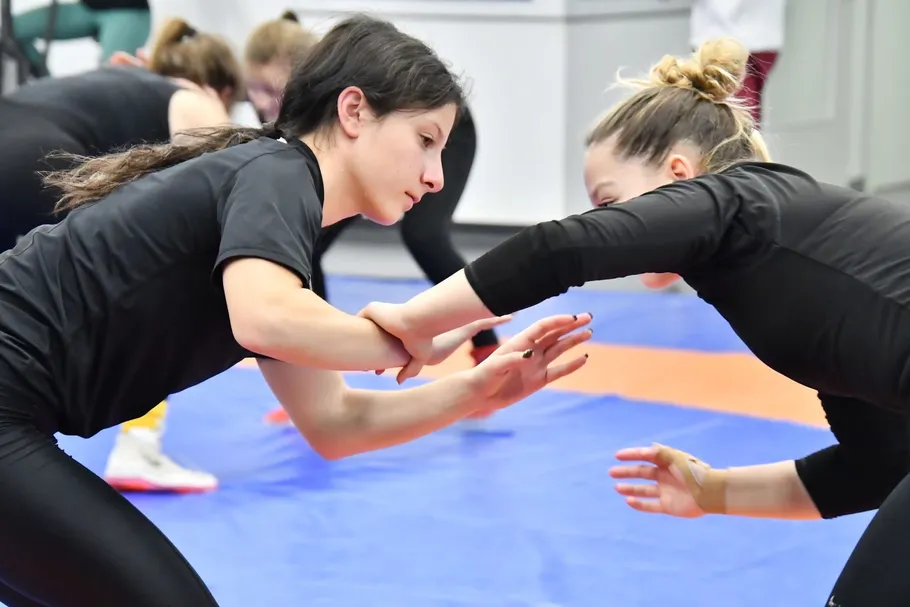
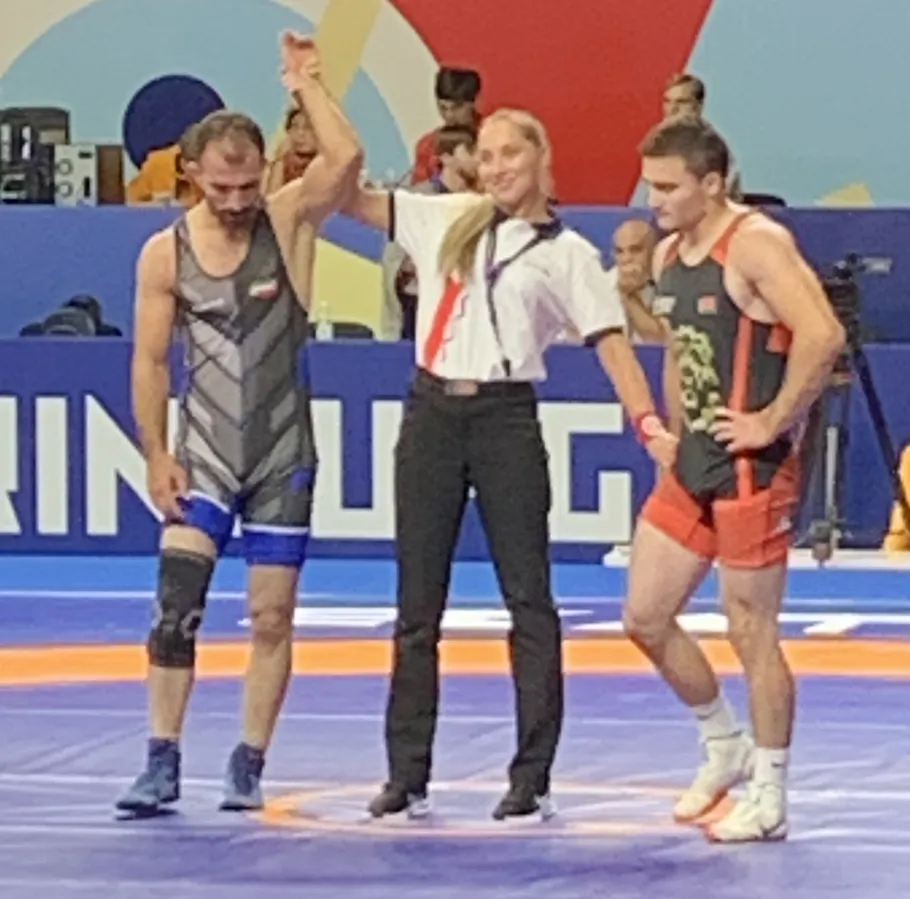
A note on the photos: no free-license photo of any named shoe in this guide was found, except one — the comparison figure is a real photo of match-worn ASICS Split Second V wrestling shoes, a different model from the six picks, and its caption says so. The other figures are honest wrestling scenes — matches, lifts, a practice and a match decision — never presented as photos of a named pick. The featured image is a centre-band crop of a college takedown scramble, resized to 1200×628, so it is not an HD original; the referee is cut at the right edge. The Matflex, Aggressor and Snapdown figures are portrait photos, kept portrait so their scrambles and lifts stay whole. The comparison figure comes from a 640px-wide original and the Combat Speed figure from an 800px-wide original, both resized to 910px wide, so neither is an HD original. The captions say exactly what each photo shows.
One honest expectation first: a shoe grips, it does not protect — guards are. For sparring and live rounds, groin protection and mouth protection are not optional, and this guide’s How to Choose section links the guards that cover them. Check the laces and the ankle strap before every round: a lace that comes loose mid-scramble is a stop-now fault, and a shoe that slips at the heel is a distraction you do not need. Keep wrestling shoes for the mat — street dirt wears a gum sole fast and drags grit onto the mat. This guide is general information, not coaching: a shoe moves the feet, it does not teach the shot.
If you are building out the rest of your grappling kit, our best BJJ gi for home gyms guide covers the uniform worn for gi grappling — the previous guide in this series, and the kit these shoes share a mat with.
⚡ Quick Picks
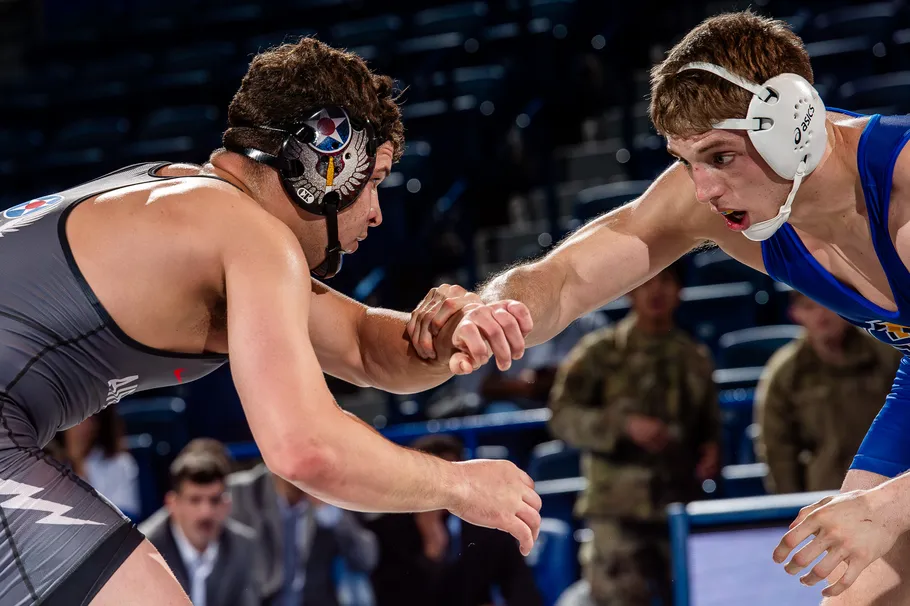
1. ASICS Matflex 7 — Best Value. The value pick: a full-length gum rubber outsole, breathable mesh underlays with supportive overlays, an EVA sockliner and an ankle-high cut.
2. ASICS Aggressor 5 — Best Premium. The premium pick: an Ecsaine upper that wraps the foot, supportive side reinforcements, a targeted-traction outsole and a Wide (2E) version.
3. Adidas HVC 2 — Best Workhorse. The workhorse pick: a single-layer mesh upper with synthetic suede and leather overlays, a full-length one-piece outsole, an elastic ankle strap and a lace-retention cover.
4. Nike Inflict 3 — Best All-Rounder. The all-rounder pick: a breathable mesh upper, a full-length double-lasted midsole, a gum rubber outsole with forefoot wraps and an adjustable ankle strap.
5. Adidas Combat Speed 5 — Best Lightweight. The lightweight pick: a sock-like single-layer mesh upper, suede and synthetic leather reinforcement, TPU stripes with an Integral Support Strap, and two rubber traction areas at the heel and forefoot.
6. ASICS Snapdown 4 — Best Wide Fit. The wide-fit pick: stitch-down overlays with breathable mesh underlays, a wrapped side structure, a circular traction pattern and a true wide (2E) last.
Each pick below carries its own warning flags — sole disputes, fit spreads and listing traps — so read the pick before the link. For the gloves that pair with grappling rounds, our best MMA gloves for home gyms guide covers the glove side of home MMA training.
1. 💰 ASICS Matflex 7 — Best Value
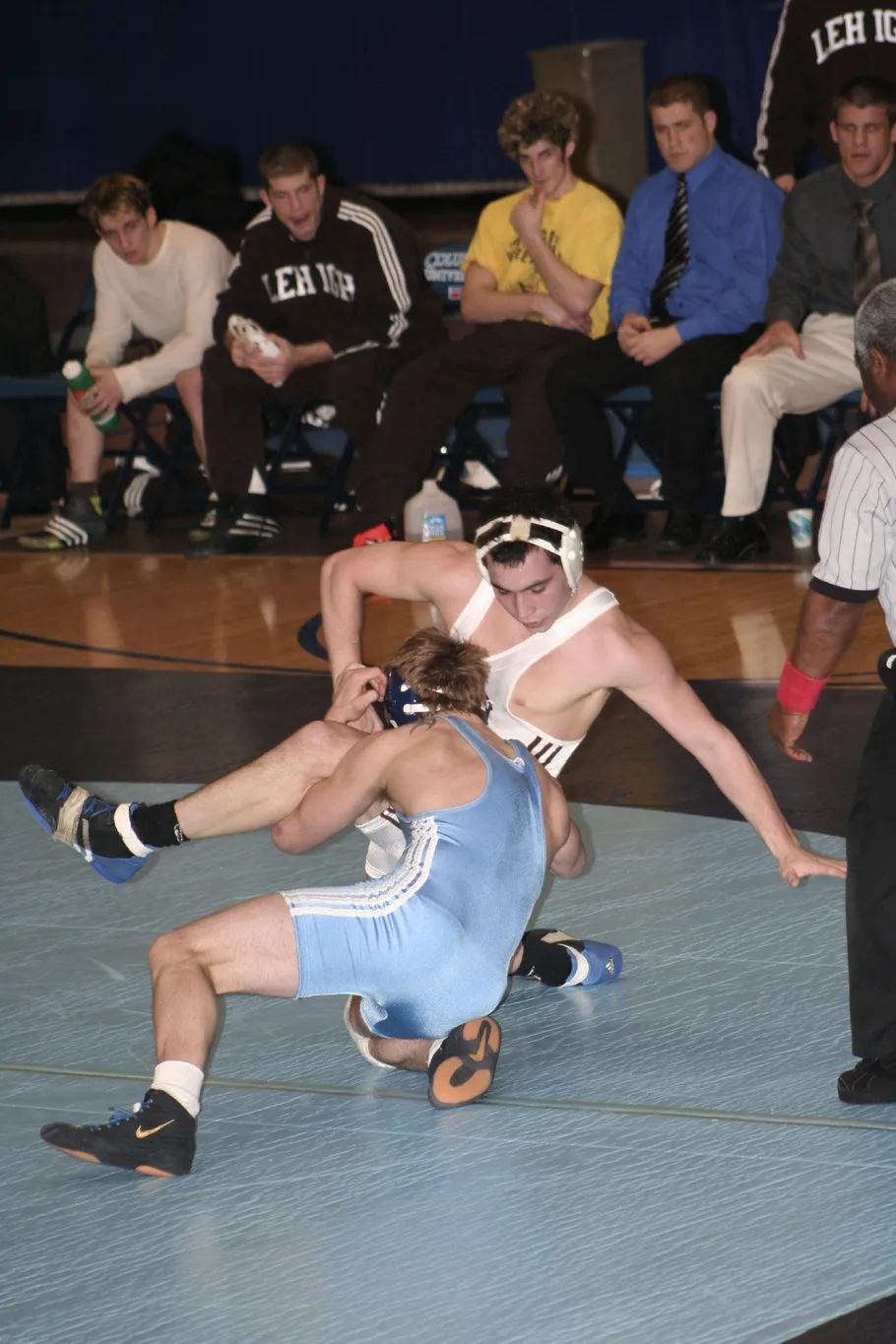
Specs: ASICS Matflex 7; full-length gum rubber outsole; breathable mesh underlays with supportive overlays; EVA sockliner; ankle-high cut; style numbers 1081A051 / 1081A057 (colour codes); size chart runs to around US 15 per one chart record.
The ASICS Matflex 7 is the value pick because it is the shoe this guide’s research keeps returning to for beginners: a full-length gum rubber outsole that covers the whole mat contact area, breathable mesh underlays with supportive overlays, an EVA sockliner, and an ankle-high cut that keeps the shoe light. Value here means the standard first mat shoe — no exotic upper, no special claim, just the established shape at the entry tier.
Value comes with a weight flag and a width flag. The weight flag: one maker/Amazon record states 8.3 oz while one review states 7.2 oz for a size 9 — both are stated here and neither is settled, so do not treat either figure as the shoe’s measured weight. The width flag: the same review reports the shoe true to size, but says wide feet may need a half size up — and no wide version of the Matflex 7 appears in the records checked, so wide feet size up instead of switching lasts.
Pros:
- Full-length gum rubber outsole for mat grip across the whole foot
- Breathable mesh underlays with supportive overlays and an EVA sockliner
- The established first-shoe shape at the entry tier
Cons:
- Weight conflict: 8.3 oz per one maker/Amazon record vs 7.2 oz per one review — neither settled
- No wide version in the records checked — wide feet size up half instead
- Style numbers vary by colour (1081A051 / 1081A057) — check the colour code on the listing
Who it’s for: wrestlers who want the standard first mat shoe and do not mind checking the weight record and sizing up for wide feet. If you want a premium ASICS instead of a value one, the Aggressor pick holds that tier instead.
⚠️ Weight flag: the Matflex 7’s weight is stated two ways — 8.3 oz per one maker/Amazon record, 7.2 oz per one review of a size 9. Both are stated here and neither is settled.
⚠️ Listing check: confirm the listing says ASICS Matflex 7 with a full-length gum rubber outsole — and confirm the size from that listing’s chart, since the chart runs to around US 15 per one record and wide feet may need a half size up.
👉 Check ASICS Matflex 7 on Amazon
2. 👑 ASICS Aggressor 5 — Best Premium
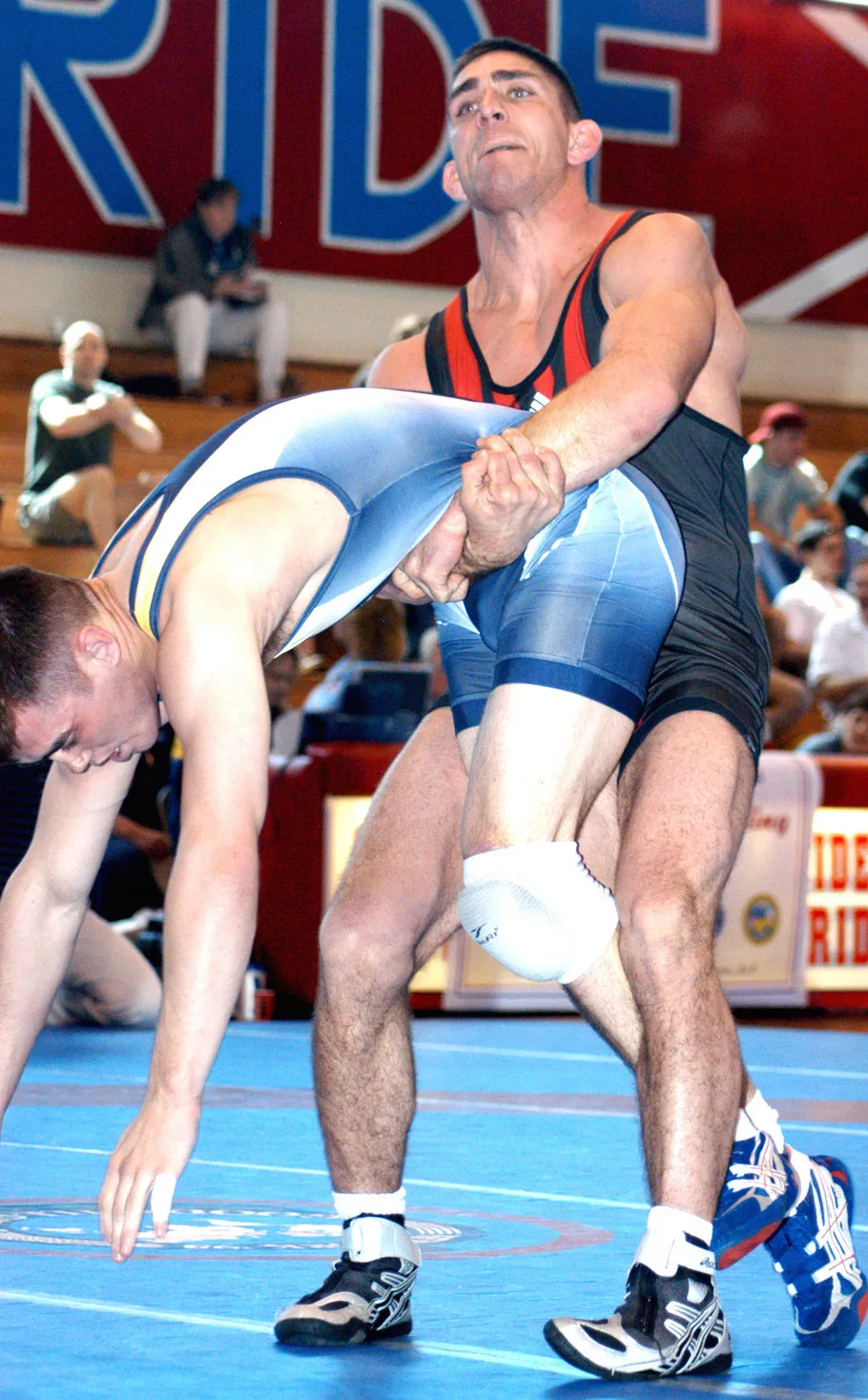
Specs: ASICS Aggressor 5; Ecsaine upper wrapping the foot; supportive side reinforcements, more flexible than the previous version; targeted-traction outsole; Wide (2E) version available as a separate listing; sizes US men’s 4–15 per one retailer chart.
The ASICS Aggressor 5 is the premium pick because it is ASICS’s top wrestling shoe in this guide’s research: an Ecsaine upper that wraps the foot, supportive side reinforcements that are more flexible than the previous version’s, and a targeted-traction outsole that puts grip where the foot drives. Premium here means the upper and the fit: the shoe wraps rather than sits, and the wide version is a real wide last, not a roomy standard.
Premium comes with a sole flag and a version flag. The sole flag: ASICS’s own buying guide says the Aggressor features a single-unit outsole for maximum mat contact, while some roundups describe a split sole / DuoSole — both are stated here and neither is settled, so do not buy on a sole-type claim alone. The version flag: Aggressor 5 is the current version, not the earlier Aggressor lines — a listing that says only “Aggressor” without a version number is not enough to buy on; check that the listing says Aggressor 5, and check separately for the Wide (2E) listing if you need it.
Pros:
- Ecsaine upper that wraps the foot, with supportive side reinforcements
- Targeted-traction outsole that puts grip where the foot drives
- Wide (2E) version available as a separate listing
Cons:
- Sole-type conflict: single-unit outsole per ASICS’s guide vs split sole / DuoSole per some roundups — neither settled
- Version trap: Aggressor 5 is not the earlier Aggressor lines — check the version number
- Wide version is a separate listing — the standard listing is not wide
Who it’s for: wrestlers who want ASICS’s top shoe and a genuine wide option, and do not mind checking the version number and the sole record. If you want a value ASICS instead of a premium one, the Matflex pick holds that tier instead.
⚠️ Sole flag: the Aggressor 5’s sole is described two ways — a single-unit outsole for maximum mat contact per ASICS’s own guide, a split sole / DuoSole per some roundups. Both are stated here and neither is settled.
⚠️ Listing check: confirm the listing says ASICS Aggressor 5 with an Ecsaine upper — and confirm the size from that listing’s chart, US men’s 4–15 per one retailer chart, checking the Wide (2E) listing separately if you need it.
👉 Check ASICS Aggressor 5 on Amazon
3. 🏋️ Adidas HVC 2 — Best Workhorse
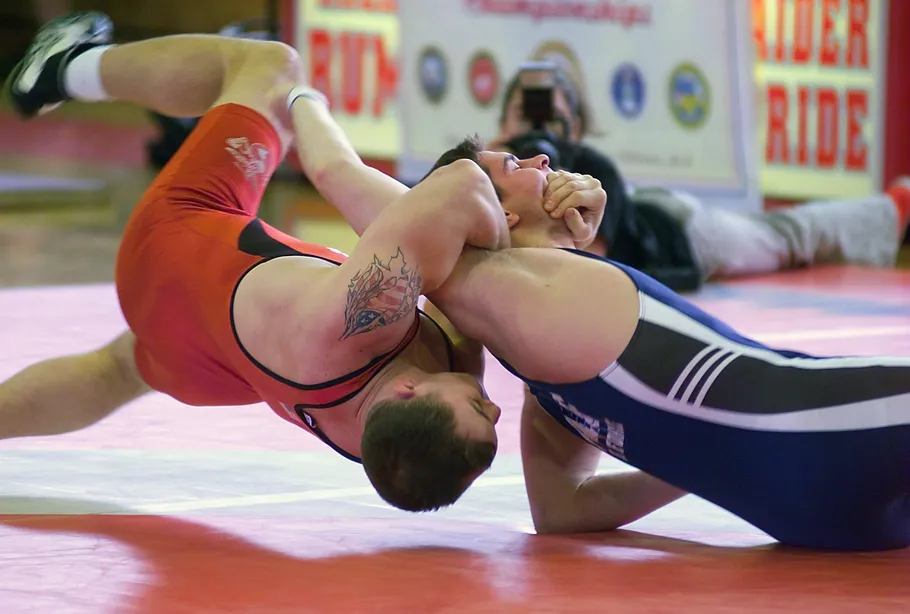
Specs: Adidas HVC 2; single-layer mesh upper with synthetic suede and synthetic leather overlays; full-length one-piece outsole; elastic ankle strap with a lace-retention cover keeping lace ends tucked away; adult sizes around US 4–14 per charts; one adult weight record of 8.8 oz; Youth version on a separate listing.
The Adidas HVC 2 is the workhorse pick because it is the shoe built to be worn every day: a single-layer mesh upper with synthetic suede and synthetic leather overlays, a full-length one-piece outsole with no split to catch, an elastic ankle strap, and a lace-retention cover that keeps lace ends tucked away instead of loose on the mat. Workhorse here means the shoe you stop thinking about: simple, durable and hard to wear out, at the cost of any premium-upper claim.
Workhorse comes with a height flag, a model flag and a youth flag. The height flag: listings describe the HVC 2 as both Mid Top and High Top — this guide makes no settled height claim, so check the listing’s photos rather than its height label. The model flag: HVC and HVC 2 are different versions — a listing that says only “HVC” without a version number is not enough to buy on; check that the listing says HVC 2. The youth flag: a Youth version exists on a separate listing, so adult sizes and youth sizes must not be merged — buy from the adult listing for adult feet.
Pros:
- Full-length one-piece outsole with no split to catch
- Lace-retention cover keeps lace ends tucked away from the mat
- Elastic ankle strap with a long-running workhorse shape
Cons:
- Height records vary: Mid Top on some listings, High Top on others — no settled height claim
- Model trap: HVC is not HVC 2 — check the version number
- Youth version is a separate listing — do not merge adult and youth sizes
Who it’s for: wrestlers who want a durable everyday Adidas shoe and do not mind checking the version number and the listing’s photos for height. If you want a sock-like lightweight Adidas instead of a workhorse, the Combat Speed pick holds that feel instead.
⚠️ Height flag: the HVC 2’s height is listed two ways — Mid Top on some listings, High Top on others. This guide makes no settled height claim; check the listing’s photos.
⚠️ Listing check: confirm the listing says Adidas HVC 2 with a full-length one-piece outsole and a lace-retention cover — and confirm the size from the adult listing’s chart, around US 4–14 per charts.
👉 Check Adidas HVC 2 on Amazon
4. 🔄 Nike Inflict 3 — Best All-Rounder
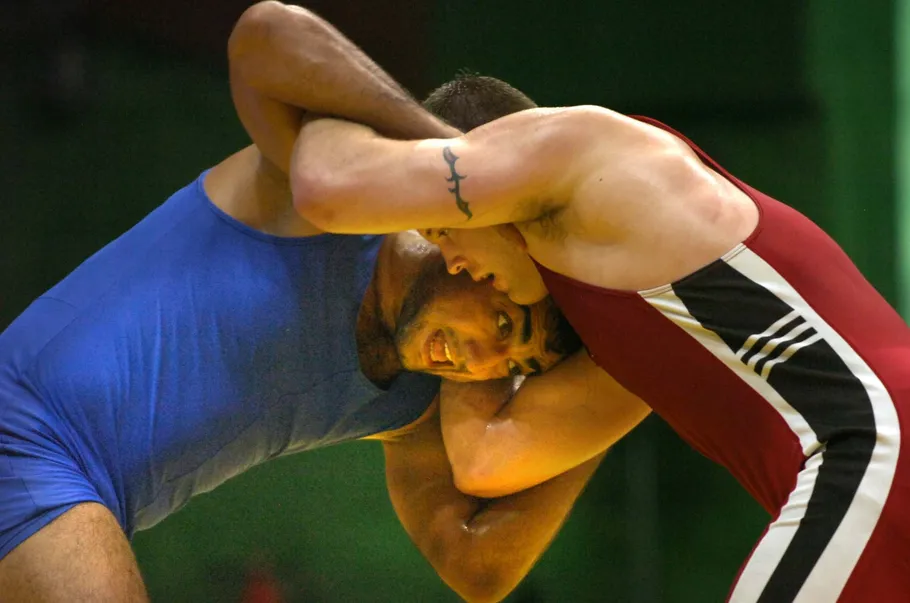
Specs: Nike Inflict 3; breathable mesh upper; full-length double-lasted midsole; gum rubber outsole with forefoot wraps; adjustable ankle strap; unisex sizes 3–14, 15 per the Nike Spring 2025 catalog; weight around 8.7 oz per one source.
The Nike Inflict 3 is the all-rounder pick because it covers every part of a match without specialising: a breathable mesh upper, a full-length double-lasted midsole for a stable base, a gum rubber outsole with forefoot wraps for the drive phase, and an adjustable ankle strap for a locked-in fit. All-rounder here means the shoe that does nothing badly: standing work, shots and scrambles all get the same stable, grippy base.
All-rounder comes with a sole flag and a fit flag. The sole flag: Nike’s Spring 2025 catalog describes a full-length outsole, while several roundups describe a split sole — both are stated here and neither is settled. The fit flag runs three ways: some sources say the Inflict 3 runs small and advise a half size up, others say it is true to size, and others say it runs half a size long and advise ordering down if between sizes — the spread is stated here, so use the listing’s chart and your own foot, not any single fit claim.
Pros:
- Full-length double-lasted midsole for a stable base
- Gum rubber outsole with forefoot wraps for the drive phase
- Adjustable ankle strap, with the widest stated size spread here (unisex 3–15 per the Nike catalog)
Cons:
- Sole-type conflict: full-length outsole per Nike’s catalog vs split sole per several roundups — neither settled
- Fit spread three ways: small, true to size and long — use the listing’s chart
- Version trap: Inflict 3 is the current version — check the listing says Inflict 3
Who it’s for: wrestlers who want a Nike shoe that covers a full match and do not mind checking the sole record and the fit chart. If you want a wide-fit shoe instead of an all-rounder, the Snapdown pick holds that last instead.
⚠️ Sole flag: the Inflict 3’s sole is described two ways — a full-length outsole per Nike’s Spring 2025 catalog, a split sole per several roundups. Both are stated here and neither is settled.
⚠️ Listing check: confirm the listing says Nike Inflict 3 with a double-lasted midsole and forefoot wraps — and confirm the size from that listing’s chart, unisex 3–14, 15 per the Nike catalog, since fit reports run three ways.
👉 Check Nike Inflict 3 on Amazon
5. 🪶 Adidas Combat Speed 5 — Best Lightweight
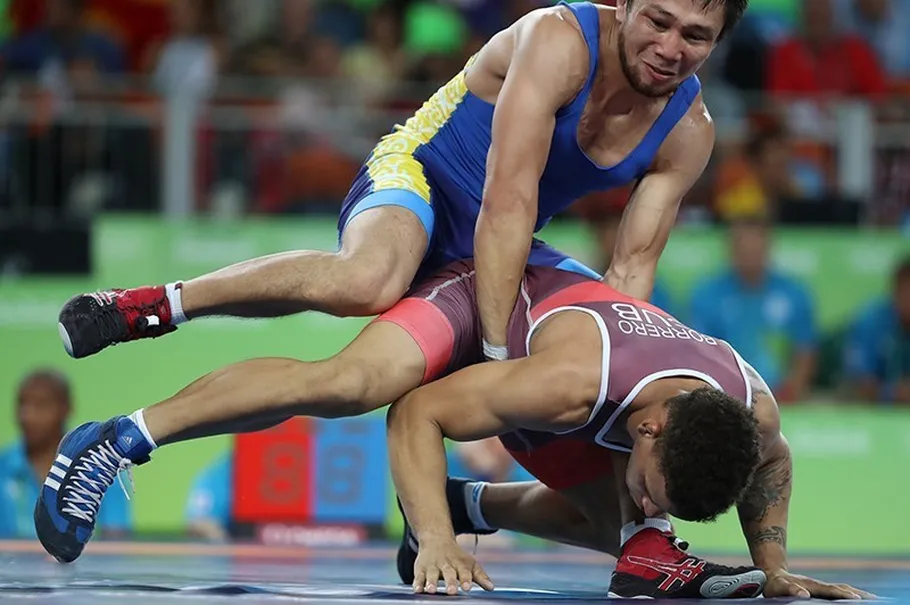
Specs: Adidas Combat Speed 5; single-layer mesh upper that fits like a sock; suede with synthetic leather reinforcement; flexible TPU stripes with an Integral Support Strap side panel; split-suede leather outsole overlays with two rubber traction areas at the heel and forefoot; internal die-cut EVA midsole; sizes 5–11.5 per one retailer listing; maker note: women size down a size and a half.
The Adidas Combat Speed 5 is the lightweight pick because it is the lighter update of the Combat Speed line: a single-layer mesh upper that fits like a sock, suede with synthetic leather reinforcement where the foot needs it, flexible TPU stripes with an Integral Support Strap side panel, and two rubber traction areas — heel and forefoot — instead of one full-length slab. Lightweight here means the shoe disappears on the foot: less material, less bulk, and a fit that feels closer to a sock than a boot.
Lightweight comes with a weight flag and a model flag. The weight flag matters most: no settled per-shoe weight was found in the records checked — the only weight figures on listings are shipping weights, which are not shoe weights, and this guide does not use them — so the lightweight label rests on roundups calling the 5 the lighter update of the Speed 4, not on a measured figure. The model flag: Combat Speed 4 and Combat Speed 5 are different versions, and the 5 is the lighter update — a listing that says only “Combat Speed” without a version number is not enough to buy on; check that the listing says Combat Speed 5.
Pros:
- Sock-like single-layer mesh upper with suede and synthetic leather reinforcement
- Two rubber traction areas, heel and forefoot, for grip where the foot lands and drives
- Integral Support Strap side panel with flexible TPU stripes
Cons:
- Per-shoe weight not stated in the records checked — listing shipping weights are not shoe weights and are not used here
- Model trap: Combat Speed 4 is not Combat Speed 5 — check the version number
- Size range 5–11.5 per one retailer listing is narrower than other picks here — check the chart
Who it’s for: wrestlers who want the lightest-feeling Adidas shoe and do not mind that no per-shoe weight is stated, or checking the version number. If you want a durable workhorse Adidas instead of a lightweight one, the HVC 2 pick holds that shape instead.
⚠️ Weight flag: the Combat Speed 5 has no settled per-shoe weight in the records checked. Listing item weights are shipping weights, not shoe weights — this guide does not use them, and the lightweight label rests on roundups, not a measured figure.
⚠️ Listing check: confirm the listing says Adidas Combat Speed 5 with a single-layer mesh upper and two rubber traction areas — and confirm the size from that listing’s chart, 5–11.5 per one retailer listing, with women sizing down a size and a half per the maker note.
👉 Check Adidas Combat Speed 5 on Amazon
6. 👟 ASICS Snapdown 4 — Best Wide Fit
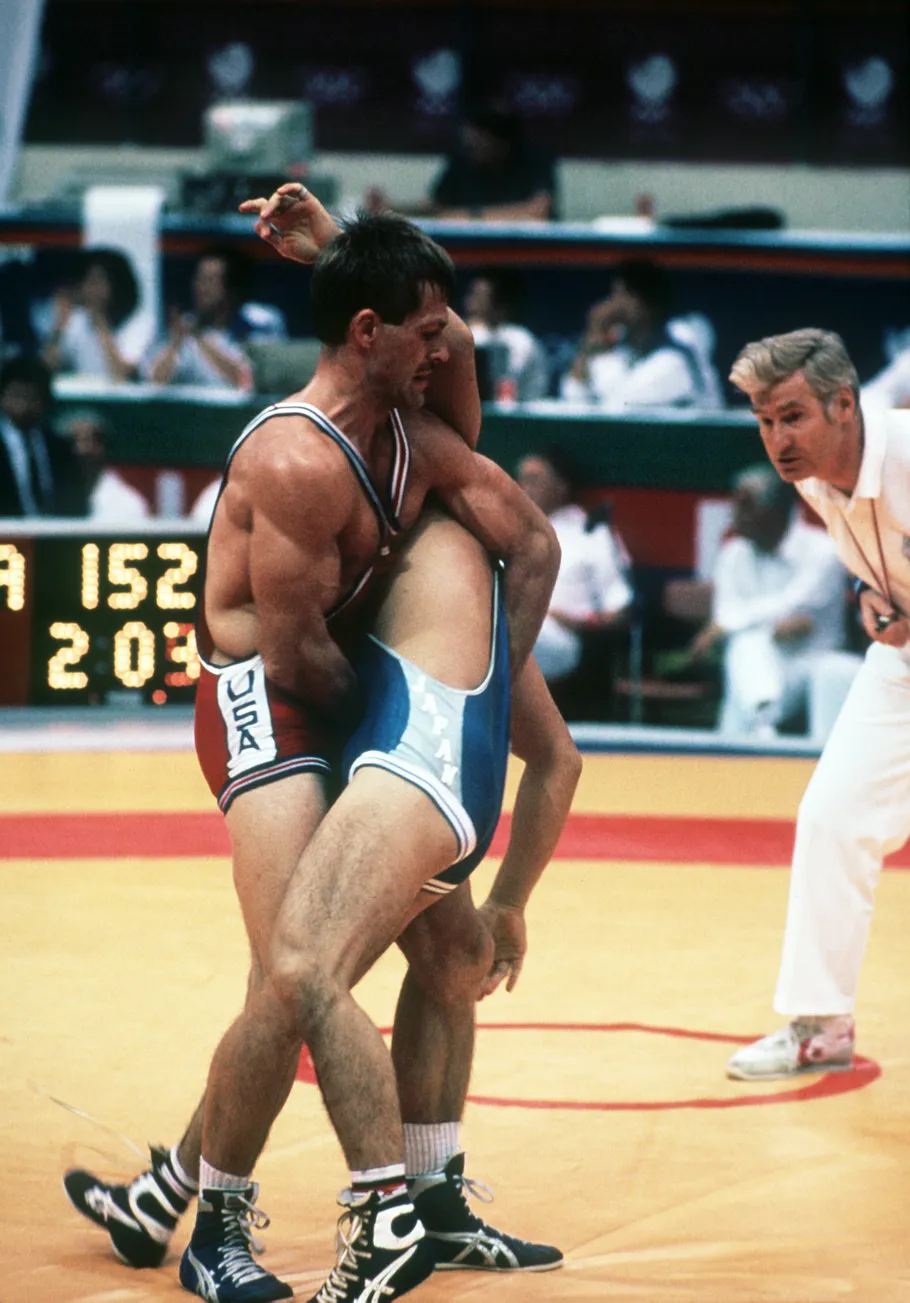
Specs: ASICS Snapdown 4; stitch-down overlays with breathable mesh underlays; wrapped lateral and medial structure; EVA sockliner with solution dyeing; rubber outsole with a circular traction pattern, described as a full-length one-piece outsole by one roundup; Wide (2E) version on a true wide last; standard sizes US 4–16 per the ASICS NZ size chart.
The ASICS Snapdown 4 is the wide-fit pick because it is the only pick here with a settled wide-fit claim: the Wide (2E) version is built on a true wide last, not just a roomy standard, with stitch-down overlays, breathable mesh underlays and a wrapped side structure that holds the foot without pinching. Wide-fit here means the last itself: a wide foot gets a wide shoe, not a standard shoe sized up until it fits.
Wide-fit comes with a weight flag and a fit flag. The weight flag: no settled per-shoe weight was found in the records checked — one source infers a typical range, which is an inference, not a stated figure, and this guide does not use it — so the article states weight as not stated. The fit flag: some sources report the Snapdown 4 runs small and advise sizing up half, against ASICS’s general true-to-size guidance — both are stated here, so use the listing’s chart, and check the Wide (2E) listing separately if you need it.
Pros:
- True wide (2E) last — the only settled wide-fit claim in this guide
- Stitch-down overlays with breathable mesh underlays and a wrapped side structure
- Circular traction pattern, with the widest stated standard size range here (US 4–16)
Cons:
- Per-shoe weight not stated in the records checked — an inferred range is not used as a figure here
- Fit conflict: runs small / size up half per some sources vs true to size per ASICS’s general guidance
- Version trap: Snapdown 4 is the current version — check the listing says Snapdown 4
Who it’s for: wide-footed wrestlers who want a true wide last and do not mind checking the version number and the fit chart. If you want an all-round Nike instead of a wide-fit ASICS, the Inflict pick holds that shape instead.
⚠️ Weight flag: the Snapdown 4 has no settled per-shoe weight in the records checked. One source infers a typical range, which is an inference, not a stated figure — this guide does not use it.
⚠️ Listing check: confirm the listing says ASICS Snapdown 4 with stitch-down overlays and a circular traction pattern — and confirm the size from that listing’s chart, US 4–16 per the ASICS NZ chart, checking the Wide (2E) listing separately if you need it.
👉 Check ASICS Snapdown 4 on Amazon
📊 Comparison Table
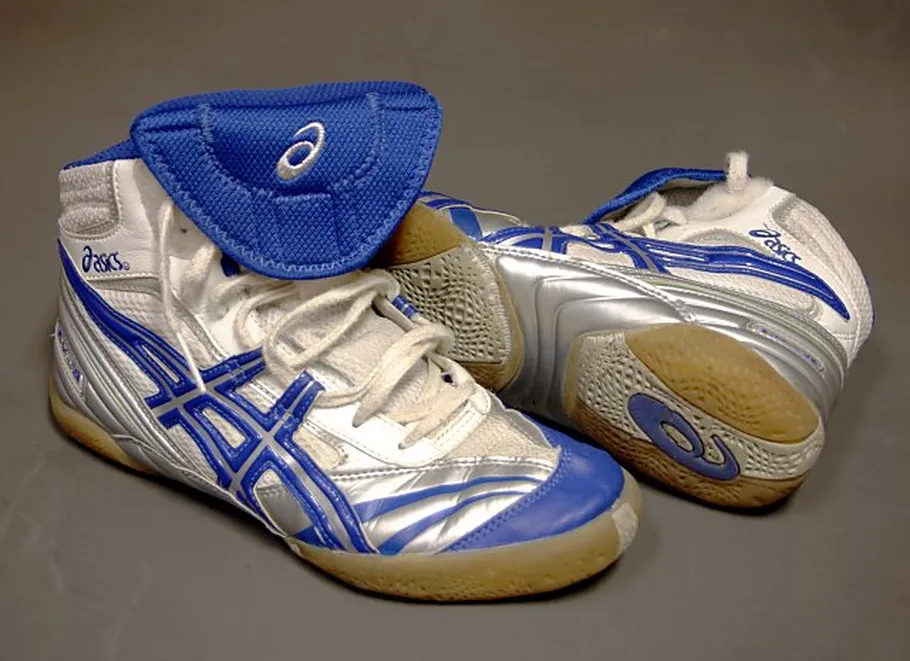
| Pick | Sole | Upper | Size range | Best for |
|---|---|---|---|---|
| ASICS Matflex 7 | Full-length gum rubber outsole | Mesh underlays + supportive overlays | To around US 15 (chart record) | Value |
| ASICS Aggressor 5 | Single-unit (ASICS guide) / split (some roundups) — disputed | Ecsaine wrap | US men’s 4–15 (retailer chart) | Premium |
| Adidas HVC 2 | Full-length one-piece outsole | Single-layer mesh + suede/leather overlays | Adult around US 4–14 (charts) | Workhorse |
| Nike Inflict 3 | Full-length (Nike catalog) / split (some roundups) — disputed | Breathable mesh | Unisex 3–15 (Nike catalog) | All-Rounder |
| Adidas Combat Speed 5 | Two rubber traction areas, heel + forefoot | Single-layer mesh, sock-like | 5–11.5 (one retailer listing) | Lightweight |
| ASICS Snapdown 4 | Full-length one-piece (one roundup) | Stitch-down overlays + mesh underlays | US 4–16 (ASICS NZ chart) | Wide Fit |
How to read the table: the “Sole” column is the one place this guide’s picks genuinely split, and it is the column to read with the most care. Two picks carry a sole dispute — the Aggressor 5 and the Inflict 3 — where the maker’s own record and roundups disagree, so neither is given a settled sole label here. No weight column is shown, deliberately: weights come from different record types — maker pages, roundups, reviews and listings — and two picks have no settled per-shoe weight at all, so a weight column would imply a comparison the records do not support, and no whole-guide lightest-weight crown is claimed. The “Size range” column is per-brand only — a size on one brand does not fit like the same size on another — and women’s conversions differ by brand: Nike lists unisex sizes while Adidas notes women size down a size and a half on the Combat Speed 5, so always check the listing you buy from, and measure before ordering.
Also considered, named but not picked: ASICS Split Elite (a split-sole ASICS line with a thinner settled record for this guide than the six picks); Adidas Havoc (an entry Adidas line with a thinner settled record than the HVC 2); Adidas Adizero Varner (an elite ultralight Adidas line with a thinner settled record than the Combat Speed 5); Nike Speedsweep (a Nike line with a thinner settled record than the Inflict 3). None is linked here, because none made the final six on record clarity, sole spread or brand spread.
🧭 How to Choose the Right Wrestling Shoes
Sole first, brand second. The sole is the decision: a full-length outsole covers the whole mat contact area, a split sole flexes more under the arch, and a two-zone sole puts rubber at the heel and forefoot only. Gum rubber is the common thread — it grips without marking — but the shape around it changes how the shoe moves. Two picks here carry a sole dispute, so read the sole column of the table with care and do not buy on a sole-type claim alone.
Fit snug, not tight — and read sizing as brand sizing. A wrestling shoe should fit like a second skin: snug at the heel and midfoot, with no heel slip and no pinched toes. The fit rules that matter are the ones this guide proves: the Matflex runs true to size with wide feet sizing up half, the Inflict runs small, true and long across sources, and the Snapdown runs small per some sources against ASICS’s general true-to-size guidance. Wide feet should look at the true wide (2E) lasts on the Aggressor and Snapdown before sizing up a standard shoe. Never buy your usual size on the brand name alone; always measure and match the listing you buy from.
Ankle coverage and lace control. Ankle-high shoes are lighter and freer, taller shoes cover more of the ankle — and the HVC 2’s own listings cannot agree on its height, so check the listing’s photos rather than its height label. Whatever the height, the lace system matters: the HVC 2’s lace-retention cover keeps lace ends tucked away, and every shoe here should be laced and strapped before every round. A lace that comes loose mid-scramble is a stop-now fault, not a detail.
Mat care: keep them for the mat. Gum soles grip the mat and wear fast everywhere else — concrete, tarmac and gym floors eat them, and street dirt drags grit onto the mat. Keep wrestling shoes for the mat only, air them out after every session, and never leave a damp pair in a bag. Check the sole bond before every round and stop at once if a sole peels or splits: a shoe that loses grip mid-shot is a fall, not a fault you train through.
Kit the partner rounds out for protection. A shoe moves the feet, but partner rounds still need protection — groin protection and mouth protection are not optional when drilling turns into live rounds. Our best groin guards for home gyms guide covers the groin protection that matters through grappling exchanges, and our best mouthguards for home gyms guide covers the mouth protection that matters for the same rounds.
Care, every session. Check the laces, the strap and the sole bond before every round and confirm nothing has peeled; air the shoes out after every session and never leave a damp pair in a bag; and stop at once if a sole splits mid-round. A shoe that fits is invisible — a shoe that slips, pinches or peels is not.
❓ Frequently Asked Questions
What is a wrestling shoe, and how is it different from a boxing shoe?
By sole and by job. A wrestling shoe is a thin, light mat shoe with a gum-rubber sole, built for grappling footwork — takedowns, sprawls, shots and scrambles — that grips the mat without marking it. A boxing shoe is a ring shoe for striking footwork and pivoting on canvas, with a different sole pattern and a different job. Some athletes cross-use the two, and the categories are sold and designed separately — so buy the shoe for the surface and the sport you actually train, not for the one you wish it covered.
Full-length sole or split sole — which should I choose?
Either grips, and the difference is feel, not safety. A full-length outsole covers the whole mat contact area and feels stable; a split sole flexes more under the arch and feels freer; a two-zone sole puts rubber at the heel and forefoot only. Two picks in this guide carry a sole dispute — the Aggressor 5 and the Inflict 3 — where the maker’s record and roundups disagree, so do not buy either on a sole-type claim alone. If you can, try the shape that matches how you move: stable base first, flex second.
How should wrestling shoes fit?
Snug like a second skin, with no heel slip and no pinched toes. Use the brand’s own chart: the Matflex runs true to size with wide feet sizing up half, the Inflict runs small, true and long across sources, and the Snapdown runs small per some sources against ASICS’s general true-to-size guidance. Wide feet should look at the true wide (2E) lasts on the Aggressor and Snapdown before sizing up a standard shoe. Women should check the brand note: Nike lists unisex sizes on the Inflict 3, while Adidas notes women size down a size and a half on the Combat Speed 5.
Can I wear wrestling shoes outside or on other surfaces?
On the mat only, if you want them to last. Gum soles grip the mat and wear fast everywhere else — concrete, tarmac and gym floors eat them, and street dirt drags grit onto the mat that dulls grip for everyone. Keep a second pair of shoes for the walk to the mat, and change into the wrestling shoes on the mat itself.
How do I keep wrestling shoes from smelling and falling apart?
Air them out after every session and never leave a damp pair in a bag. Mat shoes pick up sweat fast, and a damp shoe left sealed is how smell and sole damage start. Check the laces, the strap and the sole bond before every round, and stop at once if a sole peels or splits — a shoe that loses grip mid-shot is a fall, not a fault you train through.
What other home-gym gear goes with wrestling shoes?
After training, our best foam rollers for home gyms guide covers recovery work for the muscles around your ankles, calves, hips and back after wrestling rounds.
Found this guide useful? Every purchase through our links helps keep thenandnows.com running — thank you for the support. 🙏
Disclosure: This article contains affiliate links. If you buy through them, thenandnows.com may earn a small commission at no extra cost to you. It never changes which products we recommend.
Pingback: Best Wrestling Headgear for Home Gyms (2026)
Pingback: Best Wrestling Bags for Home Gyms (2026)