A boxing shoe is a light, ankle-supporting footwork shoe with a pivot-and-grip sole for bag and pad work — built for moving, turning and staying balanced while you punch, not for standing still under a bar. That is a different job from a lifting shoe, which is flat-soled and stiff for the squat rack, and from a running shoe, which is cushioned for forward miles. Wear the wrong one on the bag and you feel it at once: a lifting shoe grips too hard to pivot, a running shoe rolls at the ankle on a lateral move, and a boxing shoe feels thin and strange on a long walk.
Buying a pair looks simple until the listings start disagreeing. One shoe’s upper is called leather by one record and faux leather by another, one shoe’s height is given as 5 inches by one listing and 6 inches by another, and one shoe’s weight appears as three different figures across three records. Add lookalike models — a mid-top and a high-top sibling sharing a name, a premium shoe and its “Top Rank” twin on the same platform, a current generation and its predecessor both still listed — and it is easy to order the wrong height, the wrong material or the wrong generation for the training you actually do.
This guide compares six genuinely different boxing shoes, with every height, material and weight conflict stated plainly instead of smoothed over. Where sources disagree, the article says so, so you can check the listing before you buy.
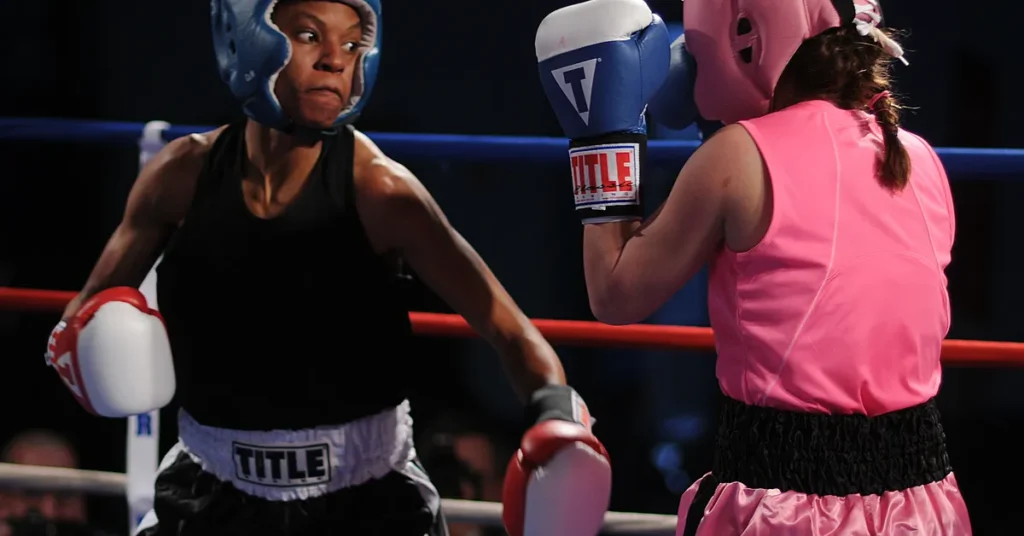
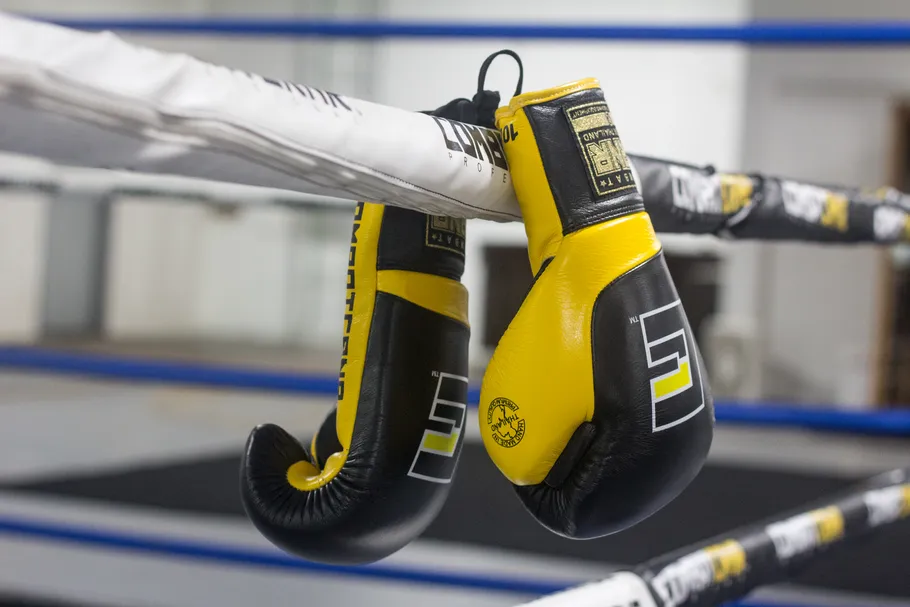
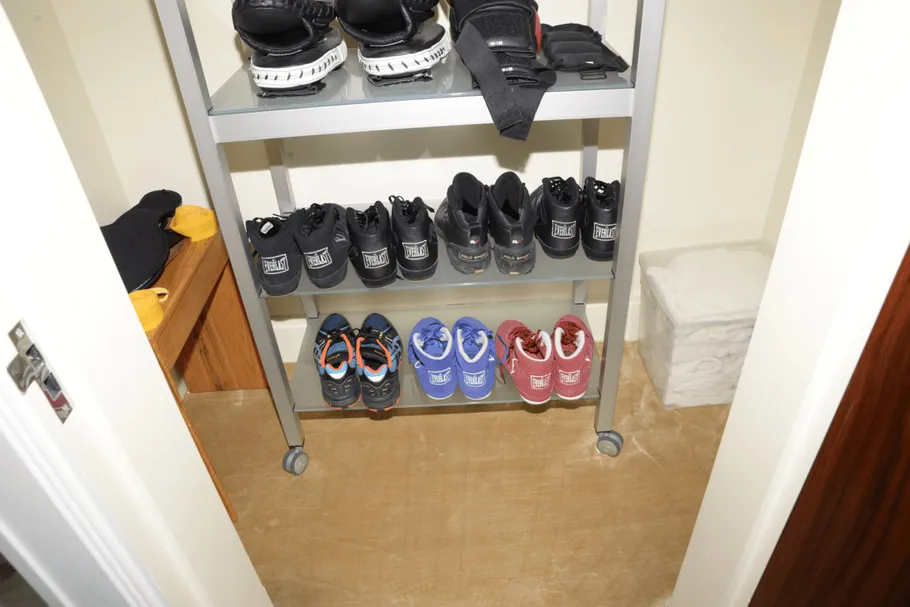
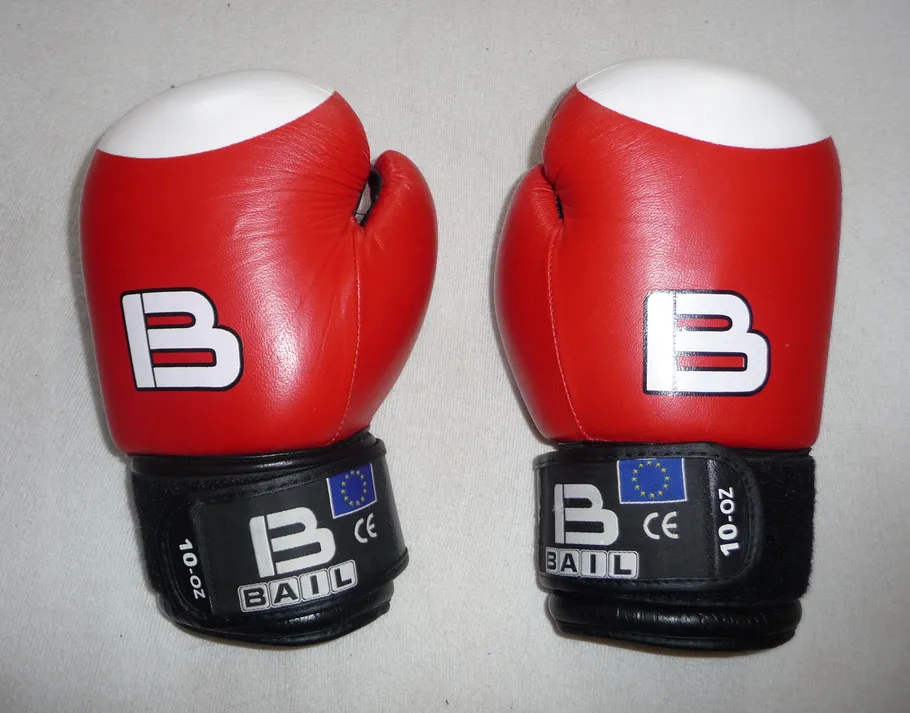
A note on the photos: no free-license photo of any named shoe in this guide was found, so the figures are honest generic scenes — real boxers training, sparring, working bags and standing in rings — never presented as photos of a named shoe. One exception: the Everlast figure shows genuine Everlast boxing shoes on a rack, but they are not the PIVT Low Top model, and the caption says so. The captions say exactly what each photo shows, including where a photo shows gloves, bags or sparring rather than shoes.
One honest expectation first: a shoe does not teach you footwork. Coaching, a sensible start and a mat or canvas surface matter far more than any sole feature, and no shoe prevents injury on its own. Start slow, agree your round length before you start, and stop at once for sharp pain, numbness or a suspected ankle or foot injury.
If you are building out the rest of your home gym, our best reflex bags for home gyms guide covers the freestanding spring bag — the previous guide in this striking series, and the bag your footwork will be tested against.
⚡ Quick Picks
1. Everlast PIVT Low Top Boxing Shoes — Best Overall. The overall pick: a low-top, light-weight shoe with a Michelin Technical Sole, a microfiber and suede upper and a memory foam insole, for fast footwork without bulk.
2. Title Boxing Speed-Flex Encore Mid — Best Value. The value pick: a mid-top with sculpted polyurethane soles and long laces for ankle support, for solid training without a premium price.
3. Venum Elite Boxing Shoes — Best Premium. The premium pick: a tri-material shoe with lateral reinforcements and multi-directional traction, for trainers who want the most built-up shoe here.
4. Adidas Box Hog 4 — Best Classic. The classic pick: a breathable mesh shoe with a die-cut EVA midsole wedge and a multidirectional outsole, for the traditional boxing-shoe feel.
5. Ringside Undefeated Boxing Shoes — Best Wide Fit. The wide-fit pick: a high-top with laces running to the very top and a wide toe box, for wide feet and maximum ankle coverage.
6. Nike Machomai 2 — Best Lightweight. The lightweight pick: a mid-cut mesh shoe with a gum-rubber outsole and a thin, low-profile sole, for near-barefoot feel on the canvas.
Each pick below carries its own warning flags — conflicting materials, conflicting heights and conflicting weights — so read the pick before the link. For the gloves you wear with the shoes, our best MMA gloves for home gyms guide covers the gloves side of home striking training.
1. 🥇 Everlast PIVT Low Top Boxing Shoes — Best Overall
Specs: low-top; Michelin Technical Sole (rubber, tread designed for lateral movement and pivots); microfiber and suede upper with open-weave mesh panels; EVA midsole; ankle support padding; memory foam insole; sizes 6–13.
The PIVT is the overall pick because it pairs the most talked-about sole here with the lightest-feeling build: the Michelin Technical Sole is a rubber tread designed for lateral movement and pivots, which is exactly the movement bag and pad work demands, and the microfiber and suede upper with open-weave mesh panels keeps the shoe light while the EVA midsole and memory foam insole cushion the foot. Ankle support padding is built in, so the low-top cut still gives the ankle something to lean on.
Low-top is also the honest limit. This is the only low-top pick in the guide, which means it is also the least ankle-supporting shoe here by cut — if your ankles need coverage, the Ringside high-top or a mid-top will serve you better. And one review flags the thick rubber sole as heavier than the closest alternatives, with leg fatigue arriving sooner — the Michelin tread buys grip at the cost of a little weight.
Pros:
- Michelin Technical Sole tread designed for lateral movement and pivots
- Light-feeling build — microfiber and suede with open-weave mesh panels
- EVA midsole plus memory foam insole for cushioning
- Ankle support padding despite the low-top cut
Cons:
- Only low-top pick — least ankle support in this guide by cut
- Thick rubber sole reported heavier than closest alternatives, with sooner leg fatigue
- Low-top freedom suits confident movers more than beginners needing coverage
Who it’s for: confident movers who want the best pivot sole here and do not need high ankle coverage. If your ankles need wrapping, the Ringside high-top or the Title mid-top will fit your training better.
⚠️ Height flag: low-top is the lowest cut in this guide, and no other pick shares it — every other shoe here is a mid-top, a mid-cut or a high-top. Buy the PIVT for freedom and pivot, not for ankle coverage.
⚠️ Listing check: confirm the listing says Everlast PIVT Low Top boxing shoes with a Michelin Technical Sole — Everlast also sells high-top boxing shoes and training shoes under the same brand, so check the cut and the sole, not just the name.
👉 Check Everlast PIVT Low Top Boxing Shoes on Amazon
2. 💰 Title Boxing Speed-Flex Encore Mid — Best Value
Specs: mid-top; synthetic leather with tight-weave nylon fill; sculpted polyurethane soles designed for boxing; polyurethane insole cushioning; long laces key to ankle support; height and material records conflict (see below); no half sizes per one review.
The Speed-Flex Encore Mid is the value pick because it gives the mid-top shape — ankle coverage without the high-top bulk — with sculpted polyurethane soles designed for boxing and polyurethane insole cushioning, at a price that leaves room for gloves and wraps. The long laces are the real ankle story here: one review is blunt that without lacing, ankles roll, and the synthetic body alone contributes little to ankle stability — so lace them properly, all the way up, and the mid-top earns its keep.
Value comes with the messiest record in this guide. One Amazon record calls the outer material Leather while others say Faux Leather, so this guide claims neither as settled and the table cell carries the dispute. Height is quoted at 5 inches by one record and 6 inches by another. One review also says the shoe comes in no half sizes, with the recommendation to go with the smaller size — and thin soles plus stitching and sole wear are reported after months of use, with soles wearing faster on rough surfaces like pavement.
Pros:
- Mid-top shape — ankle coverage without high-top bulk
- Sculpted polyurethane soles designed for boxing movement
- Long laces that genuinely lock the ankle when tied fully
- Value price that leaves room for gloves and wraps
Cons:
- Material records conflict — Leather against Faux Leather, neither settled here
- Height records conflict — 5 inches against 6 inches
- No half sizes per one review, with thin soles and wear reported after months of use
- Soles wear faster on rough surfaces like pavement
Who it’s for: value buyers who want a mid-top and will lace fully and train on mats or canvas. If you need half sizes or train on concrete, the Adidas or Nike will fit your feet better.
⚠️ Record flag: the Title’s outer material and height are both disputed — Leather against Faux Leather, and 5 inches against 6 inches. This guide prints neither pair as settled, and the table cell carries the material dispute. Check the listing’s material and height before buying.
⚠️ Listing check: confirm the listing says Title Boxing Speed-Flex Encore Mid — the Speed-Flex Encore Tall is a high-top sibling at about 12 inches, a different shoe sharing the name, and Title also sells the Old School Leather mid-top, which is a different model entirely.
👉 Check Title Boxing Speed-Flex Encore Mid on Amazon
3. 👑 Venum Elite Boxing Shoes — Best Premium
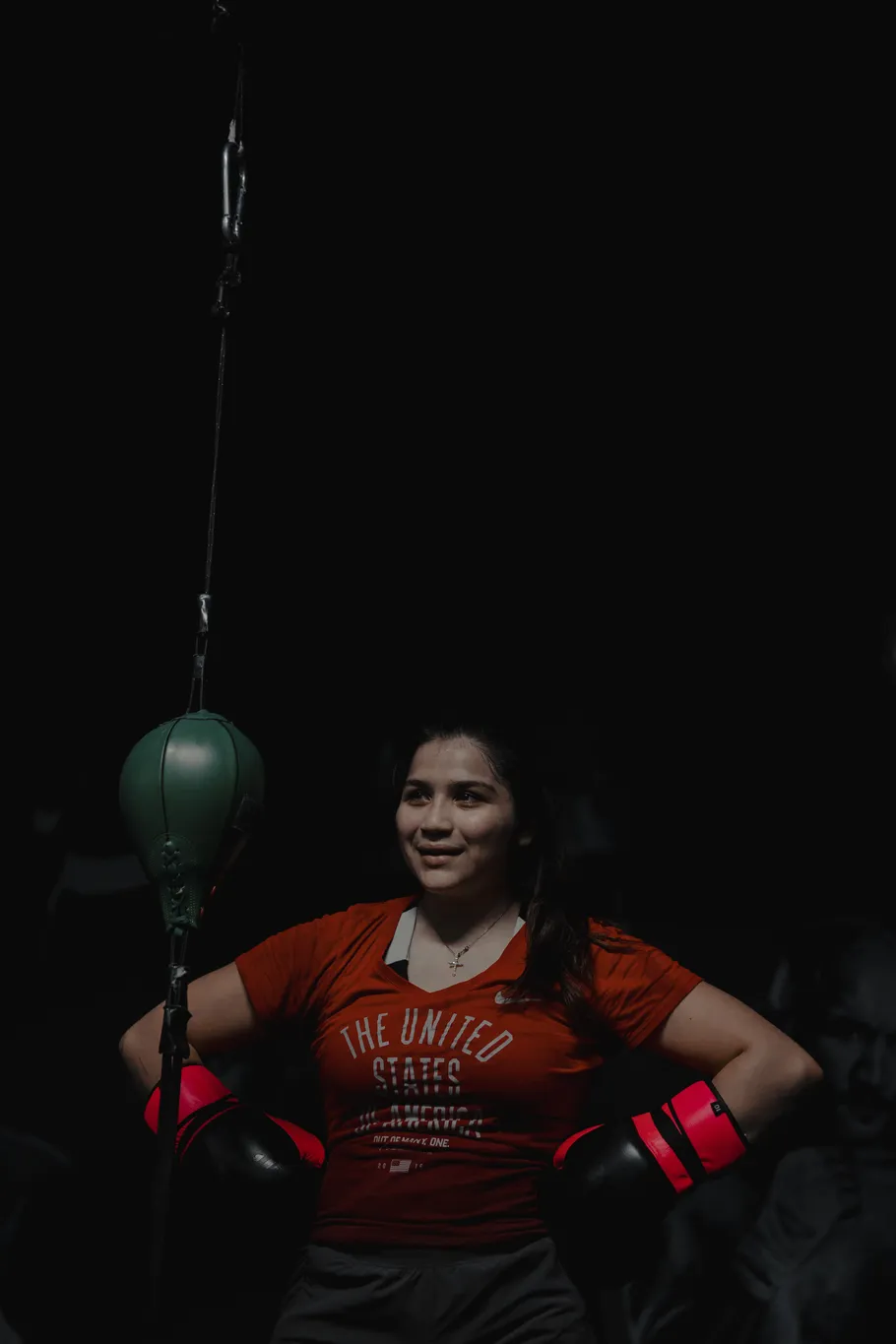
Specs: tri-material build (patent PU glossy, PU Flex, honeycomb mesh); lateral reinforcements; anatomical glued insole; rubber outsole with multi-directional traction; breathable mesh panels; sizes M5–M14; weight not published; ankle height disputed (see below).
The Venum Elite is the premium pick because it is the most built-up shoe here: three materials in one upper — patent PU glossy, PU Flex and honeycomb mesh — with lateral reinforcements holding the foot through side-to-side movement, an anatomical glued insole shaped to the foot, and a rubber outsole with multi-directional traction for pivots in every direction. Breathable mesh panels keep the built-up upper from turning into a sweat box.
Premium comes with an honesty gap. The maker’s copy calls this a high-top with padded ankle collars, while an independent review calls it a mid-cut — so this guide claims neither height as settled and the table cell carries the dispute. And the weight is not published at all, so the Venum stays out of any whole-guide weight ranking: a guide that ranked all six by weight would be inventing a number for this shoe.
Pros:
- Tri-material upper — patent PU glossy, PU Flex and honeycomb mesh in one shoe
- Lateral reinforcements for side-to-side movement
- Anatomical glued insole shaped to the foot
- Rubber outsole with multi-directional traction for pivots
Cons:
- Ankle height disputed — maker says high-top, an independent review says mid-cut
- Weight not published, so no weight comparison against the other five is possible
- Premium build at a premium price for a shoe whose height is unsettled
Who it’s for: trainers who want the most built-up, reinforced shoe here and do not mind an unsettled height claim. If you need a settled high-top, the Ringside is the only pick whose height is undisputed.
⚠️ Height flag: the Venum’s ankle height is disputed — the maker’s high-top with padded ankle collars against an independent review’s mid-cut. This guide prints neither as settled, and the table cell carries the dispute. Check the listing’s photos against your ankle before buying.
⚠️ Listing check: confirm the listing says Venum Elite boxing shoes — the Venum Elite Top Rank version shares the same platform per one review and is not a separate pick here, so do not pay a premium for the twin name.
👉 Check Venum Elite Boxing Shoes on Amazon
4. 🏛️ Adidas Box Hog 4 — Best Classic
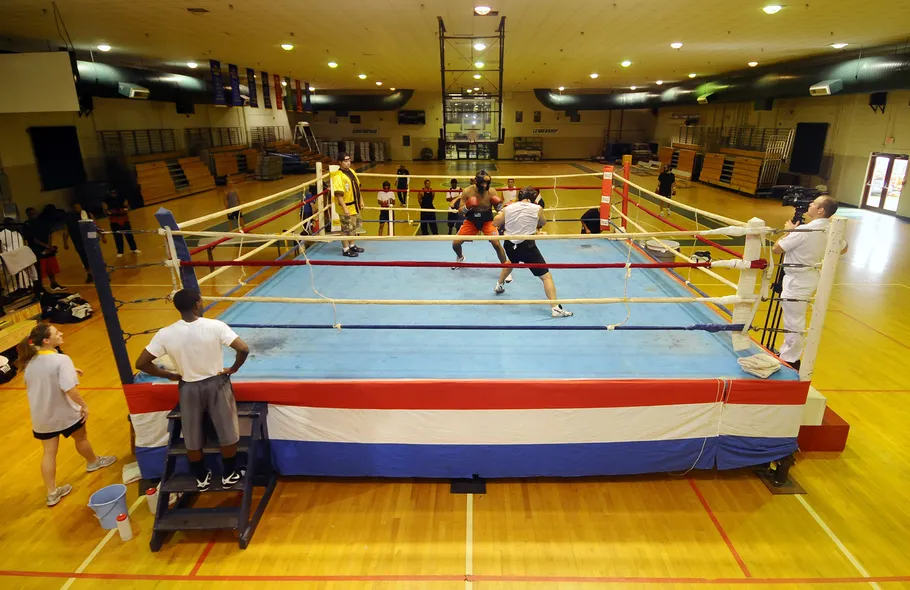
Specs: mid-top; breathable mesh upper with inner reinforcements; die-cut EVA midsole wedge supporting the midfoot; multidirectional outsole; upper at least 50% recycled content (maker description); thin sole; size chart spans US M3–20 (chart span, not a stocked-range claim).
The Box Hog 4 is the classic pick because it is the traditional boxing shoe done properly: a breathable mesh upper with inner reinforcements, a die-cut EVA midsole wedge that supports the midfoot through pivots, and a multidirectional outsole for movement in every direction. The maker’s description puts the upper at at least 50% recycled content, which is a genuine materials note for buyers who weigh that. Four generations of Box Hogs have made this the default first boxing shoe for a reason — it feels like a boxing shoe is supposed to feel.
Classic comes with a thin-sole warning. The sole is thin by design — a “feel the floor” thin — and multiple reports say it wears fast on concrete and rough surfaces, so this is a mat and canvas shoe, not a pavement shoe. Narrow fit is reported too, with wide feet advised to go a half-size up, sizing is reported inconsistent across Adidas models, ankle and toe stiffness is noted by some users, and sole separation is reported by some users. The size chart spans US M3 to 20, but that is a chart span, not a claim that every size is stocked — do not turn it into a “widest range” superlative.
Pros:
- Traditional boxing-shoe feel — mesh, EVA wedge and multidirectional outsole
- Die-cut EVA midsole wedge supporting the midfoot through pivots
- Breathable mesh upper with inner reinforcements
- Upper at least 50% recycled content per the maker’s description
Cons:
- Thin sole wears fast on concrete and rough surfaces
- Narrow fit reported — wide feet may need a half-size up
- Sizing reported inconsistent across Adidas models, with ankle and toe stiffness noted
- Sole separation reported by some users
Who it’s for: traditionalists who want the classic boxing-shoe feel on mats or canvas. If you train on concrete or have wide feet, the Ringside or the Title will fit your training better.
⚠️ Surface flag: the Box Hog 4’s thin sole is a mat and canvas sole — multiple reports say it wears fast on concrete and rough surfaces. If your home gym floor is concrete, budget for a mat or pick a thicker-soled shoe.
⚠️ Listing check: confirm the listing says Adidas Box Hog 4 — earlier Box Hog generations share the name with different builds, and Adidas wrestling and weightlifting shoes share the brand’s look, so check the model number, not just the name.
👉 Check Adidas Box Hog 4 on Amazon
5. ↔️ Ringside Undefeated Boxing Shoes — Best Wide Fit
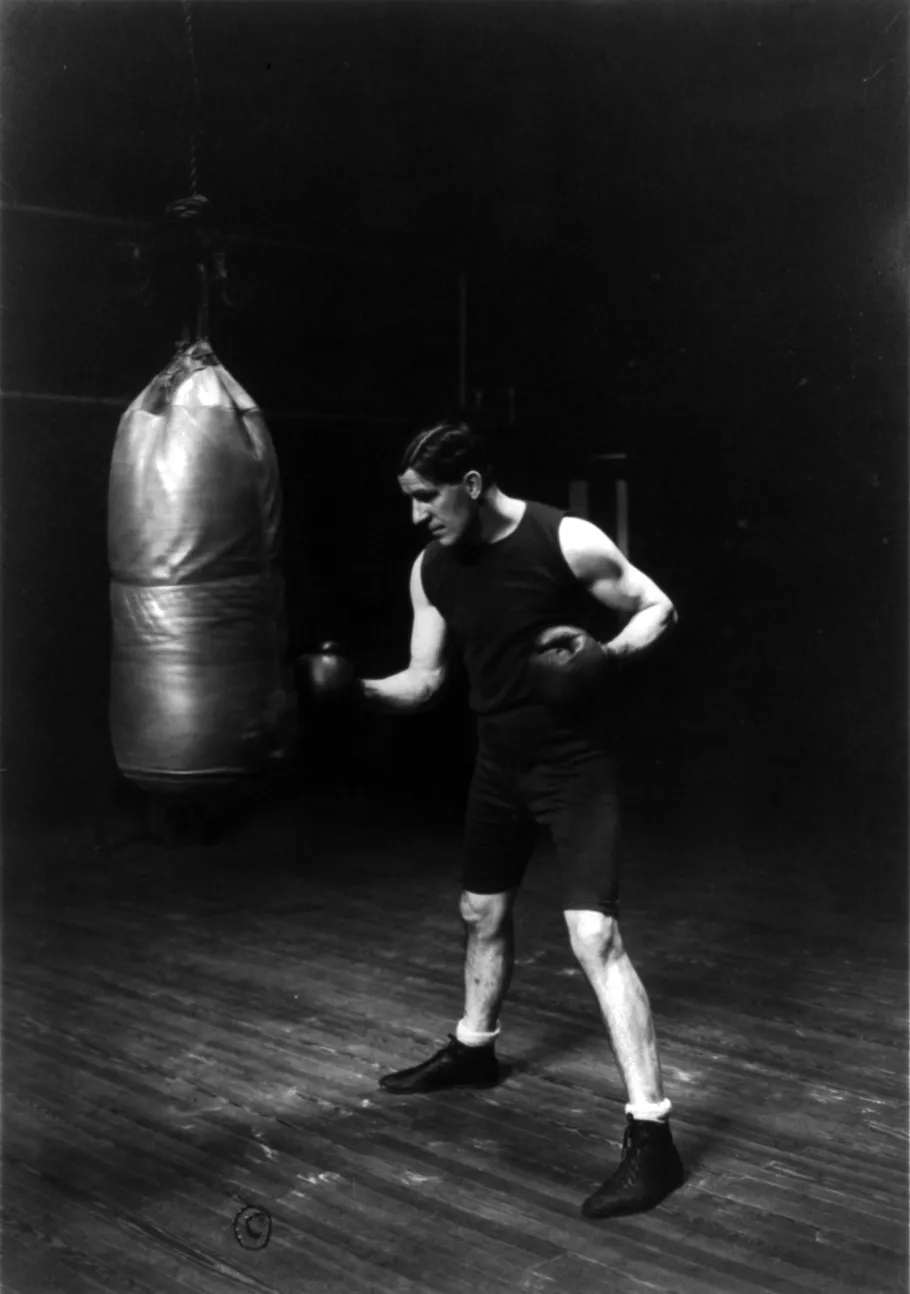
Specs: high-top; laces running to the very top; patent leather vinyl finish over nylon mesh; non-slip rubber sole (wrestling-style circular grooves per one review); wide toe box (named best for wide feet by one 2024 roundup); sizes US 2–13, unisex; doubles as a wrestling shoe; weight records conflict (see below).
The Undefeated is the wide-fit pick because it solves the two problems wide feet meet in boxing shoes: a wide toe box, named best for wide feet by one 2024 roundup, and a high-top with laces running to the very top, so the whole foot is locked in rather than squeezed at the forefoot. The patent leather vinyl finish over nylon mesh wipes clean, the non-slip rubber sole carries wrestling-style circular grooves per one review, and the shoe doubles as a wrestling shoe — which is why its grip feels so planted on the mat.
Wide-fit comes with a weight dispute and a finish surprise. Weight records conflict — 1.5 lb (680 g) against 1.1 lb (500 g) — so this guide prints no single weight as settled, and the table carries no weight claim for this shoe. The patent finish also surprises buyers expecting matte leather, so expect shine, not suede. And this is the only high-top pick in the guide — there is no low or mid version, so if you want a lower cut, look elsewhere.
Pros:
- Wide toe box — named best for wide feet by one 2024 roundup
- High-top with laces running to the very top for full-foot lockdown
- Non-slip rubber sole with wrestling-style circular grooves
- Doubles as a wrestling shoe for mat grip
Cons:
- Weight records conflict — 1.5 lb (680 g) against 1.1 lb (500 g), neither settled here
- Patent finish surprises buyers expecting a matte look
- High-top only — no low or mid version exists
Who it’s for: wide feet and trainers who want maximum ankle coverage with a full lace-up. If you want a low or mid cut, the Everlast or the Title will fit your preference better.
⚠️ Weight flag: the Undefeated’s weight is disputed — 1.5 lb (680 g) against 1.1 lb (500 g). This guide prints neither as settled, and no whole-guide weight ranking includes this shoe on a single figure.
⚠️ Listing check: confirm the listing says Ringside Undefeated boxing shoes with a high-top and laces to the top — Ringside also sells boxing boots and wrestling shoes under similar names, so check the cut and the toe box, not just the brand.
👉 Check Ringside Undefeated Boxing Shoes on Amazon
6. 🪶 Nike Machomai 2 — Best Lightweight
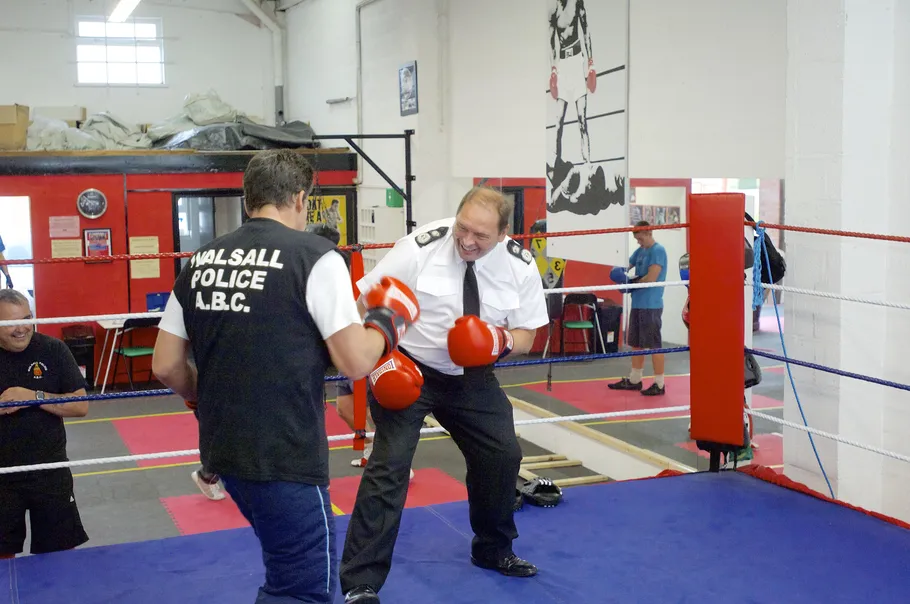
Specs: mid-cut; mesh and synthetic upper; gum-rubber outsole; arch in the midsole for support; thin, low-profile sole with near-barefoot feel; weight records conflict (see below); previous generation (Machomai 3 is current); sizes M5–M13 / W6.5–W14.5 per one size listing.
The Machomai 2 is the lightweight pick because it strips the shoe down to the minimum that still supports: a mesh and synthetic upper, a gum-rubber outsole, an arch in the midsole for support, and a thin, low-profile sole with a near-barefoot feel. On the canvas that thinness is the point — you feel the floor, you pivot without fighting the shoe, and your feet stay light through long rounds. For footwork-first trainers, that feel is worth more than any cushioning stack.
Lightweight comes with three cautions. Weight records conflict — about 256 g against about 280 g against 9.4 oz (about 266 g) — so this guide states the range and the conflict, never a single settled figure, and the table cell carries the range. The thin sole means less cushioning by design, so hard landings feel harder. And the Machomai 2 is the previous generation — the Machomai 3 is current — so availability varies by colour and size, and wide feet may need a half-size up per one guide.
Pros:
- Near-barefoot feel — thin, low-profile sole that lets you feel the floor
- Light build — mesh and synthetic upper with a gum-rubber outsole
- Arch in the midsole for support despite the thin sole
- Mid-cut shape that balances freedom and coverage
Cons:
- Weight records conflict — about 256 g against about 280 g against 9.4 oz (about 266 g)
- Thin sole means less cushioning by design
- Previous generation — availability varies by colour and size
- Wide feet may need a half-size up per one guide
Who it’s for: footwork-first trainers who want the lightest feel on the canvas and accept less cushioning. If you want cushioning or a current generation, the Everlast or the Adidas will fit your training better.
⚠️ Weight flag: the Machomai 2’s weight is disputed across three records — about 256 g, about 280 g and 9.4 oz (about 266 g). This guide states the range with the conflict attached, never a single figure, and the table cell carries the range.
⚠️ Listing check: confirm the listing says Nike Machomai 2 — the Machomai 3 is the current generation with its own listings, and Nike wrestling shoes share the brand’s look, so check the generation number, not just the name.
👉 Check Nike Machomai 2 on Amazon
📊 Comparison Table
| Pick | Job | Height | Upper | Standout |
|---|---|---|---|---|
| Everlast PIVT Low Top | Overall | Low-top | Microfiber + suede | Michelin Technical Sole |
| Title Speed-Flex Encore Mid | Value | Mid-top | Synthetic leather + nylon (disputed — see section) | Sculpted PU soles |
| Venum Elite | Premium | Mid-cut (disputed — see section) | Tri-material PU + mesh | Lateral reinforcements |
| Adidas Box Hog 4 | Classic | Mid-top | Mesh + reinforcements | Thin multidirectional outsole |
| Ringside Undefeated | Wide Fit | High-top | Patent vinyl + nylon mesh | Laces to the very top |
| Nike Machomai 2 | Lightweight | Mid-cut | Mesh + synthetic | ~256–280 g (see section) |
How to read the table: the “Height” column is the decision, not the “Standout” column. A low-top frees the ankle for pivots but covers it least, a high-top covers the ankle fully but adds bulk, and a mid-top or mid-cut splits the difference — buy the height for the ankle support you need, then the sole for the surface you train on. The noted cells are intentional: the Title upper carries a disputed material record, the Venum height carries a disputed height record, and the Nike standout carries a weight range across conflicting records. One more honest pattern: no whole-guide weight ranking is claimed here, because the Venum’s weight is not published at all and the Ringside and Nike weights each carry conflicting records — judge lightness on the stated ranges and the sole thickness, not on a single number. And no whole-guide size ranking is claimed either, because the six size ranges mix men’s, women’s and unisex chart entries.
Also considered, named but not picked: the Title Old School Leather (a 100% cowhide leather mid-top with a perforated forefoot and a circular-pattern sole, left out to keep one Title pick); the Nike HyperKO 2 (a current Nike boxing shoe, left out to keep one Nike pick); the Hayabusa Pro Boxing Shoes (a premium lace-up, left out on range balance); the Everlast Pro Elite High Top (a high-top Everlast, left out to keep one Everlast pick); and the Title Speed-Flex Encore Tall (the high-top sibling at about 12 inches, left out to keep one Title pick). None is linked here, because none made the final six on range balance or record clarity.
🧭 How to Choose the Right Boxing Shoes
Start with height, not the brand. Height is the ankle decision: low-tops free the ankle for pivots, high-tops cover it fully, and mid-tops and mid-cuts split the difference. If your ankles have ever rolled, start at mid-top or higher and lace fully — the Title lesson is that an untied mid-top protects nothing, whatever the brand on the side.
Read the sole, not just the name. The sole is the surface decision: a pivot tread like the Everlast Michelin sole turns cleanly, a thin sole like the Adidas and Nike feels the floor but wears fast on concrete, and a grooved rubber sole like the Ringside grips the mat. Match the sole to your floor — mats and canvas forgive thin soles, concrete does not.
Fit first: half sizes, wide feet and break-in. Sizing is the quiet trap in this guide: the Title comes in no half sizes per one review (go with the smaller size), the Adidas runs narrow (wide feet go a half-size up), and the Nike runs narrow for wide feet too (a half-size up per one guide). Ankle and toe stiffness is also reported on the Adidas, so expect a break-in period — do not judge the fit on the first round alone.
Train on the right surface. Thin soles and rough surfaces are a bad pairing: both the Title and the Adidas are reported to wear fast on concrete and pavement. If your home gym floor is concrete, lay a mat or train on canvas — the shoe will last longer and your joints will thank you.
Pair it, don’t isolate it. Footwork rounds warm the shoulders and hips up before timing work — bands train the same brace from a different direction and wake the shoulders up for bag work. Our best resistance bands for home gyms guide covers the band side of that warm-up.
Protect your feet and your floor. A mat under the training area protects the floor and gives you a defined space for footwork drills, and a mat under skipping and pivot work softens landings. Our best yoga mats for home gyms guide covers the floor work that pairs with shoe training.
Build the engine behind the footwork. Rounds are intervals, and intervals need conditioning — medicine ball work builds the rotational power that sits behind every pivot and cross. Our best medicine balls for home gyms guide covers the ball side of that conditioning.
❓ Frequently Asked Questions
Are boxing shoes the same as wrestling shoes?
Not quite. Wrestling shoes are built for mat grip in grappling, while boxing shoes are built for pivots and lateral movement while punching — but the two overlap, and the Ringside Undefeated in this guide doubles as a wrestling shoe, with wrestling-style grooves in its sole. If you train both, a shoe like the Ringside covers both; if you only box, buy for pivots, not for mat grip alone.
Can I wear boxing shoes for lifting?
No — not under a bar. Boxing shoes are built to pivot, which is the opposite of what a squat needs: a lifting shoe is flat-soled and stiff so the foot stays planted. A pivot sole under a heavy squat lets the foot turn when it should not, so keep the boxing shoes for bag and pad work and lift in lifting shoes.
Do I need high-tops for ankle support?
Not always. A high-top like the Ringside covers the ankle fully, but a mid-top laced all the way up — the Title lesson — supports well too, and a low-top like the Everlast suits confident movers who want freedom. Height helps, but lacing matters as much as height: an untied mid-top protects nothing, whatever the cut.
How should boxing shoes fit?
Snug, with no heel slip and room to spread the toes — and check the pick’s sizing note before ordering. The Title comes in no half sizes per one review (go with the smaller size), while the Adidas and the Nike both run narrow for wide feet (a half-size up). Expect a short break-in: ankle and toe stiffness is reported on the Adidas, so do not judge the fit on the first round alone.
Can I train on concrete or pavement in boxing shoes?
You can, but the soles will pay for it. Both the Title and the Adidas are reported to wear fast on concrete and rough surfaces, and thin soles in general are mat and canvas soles. If concrete is your only floor, lay a mat down or pick a thicker-soled shoe — and keep pavement rounds short.
What pairs well with boxing shoes at home?
Recovery work after hard footwork rounds — stretching and rolling out the calves, ankles and hips you just loaded with pivots. Our best foam rollers for home gyms guide covers the roller side of that routine.
Found this guide useful? Every purchase through our links helps keep thenandnows.com running — thank you for the support. 🙏
Disclosure: This article contains affiliate links. If you buy through them, thenandnows.com may earn a small commission at no extra cost to you. It never changes which products we recommend.
Pingback: Best Boxing Headgear for Home Gyms (2026)
Pingback: Best Wrestling Shoes for Home Gyms (2026)