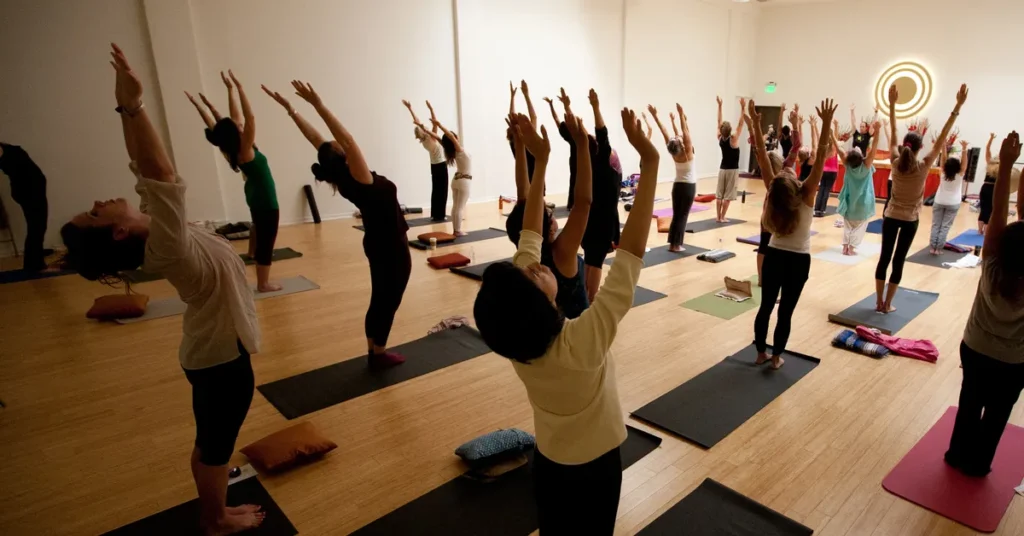
A yoga mat is the cheapest piece of home-gym flooring you will ever buy — and the one your joints notice most. 🧘
The wrong mat slides under your hands in a plank, bunches under your feet in a lunge, or leaves your knees aching on a hard floor. The right one stays put, cushions without wobbling, and rolls out in the same corner every day.
This guide compares six genuinely different mats, not six versions of the same mat. A dense lifetime PVC mat, a grip-first mat for sweaty practice, a natural rubber mat, a budget mat, an alignment-etched mat and a premium-feel mat — each with its honest trade-offs, including every spec conflict we found. Our best kettlebells for home gyms guide covers the heavy half of the same room; this one covers the floor you stand on.
⚡ Quick Picks
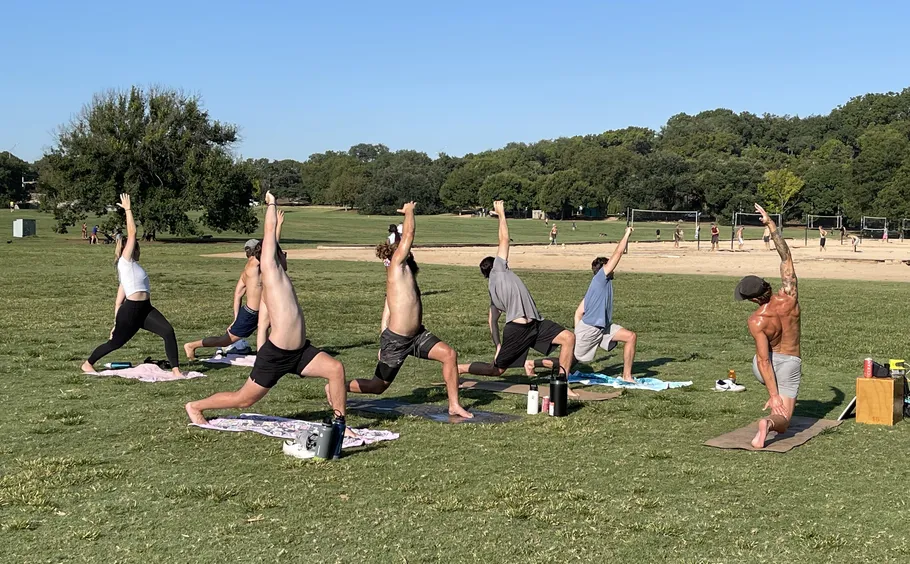
Best overall: Manduka PRO 6mm — the dense, lifetime-guaranteed PVC mat that studios have used for decades. Best grip for sweaty practice: Lululemon The Mat 5mm — a polyurethane top on a natural-rubber base, reversible for two different feels. Best natural rubber: Jade Harmony 68″ — open-cell natural rubber with no PVC, and a tree planted for every mat sold. Best budget: Gaiam Premium 6mm — thick, light and latex-free at a fraction of the premium price. Best alignment: Liforme Original — etched alignment lines that show you exactly where your hands and feet belong. Best premium feel: Alo Warrior — a polyurethane leather top on rubber that feels closer to a studio floor than a mat. Our best foam rollers for home gyms guide is the natural companion for after practice — rolling out the muscles the mat just supported.
🏆 1. Manduka PRO 6mm — Best Overall
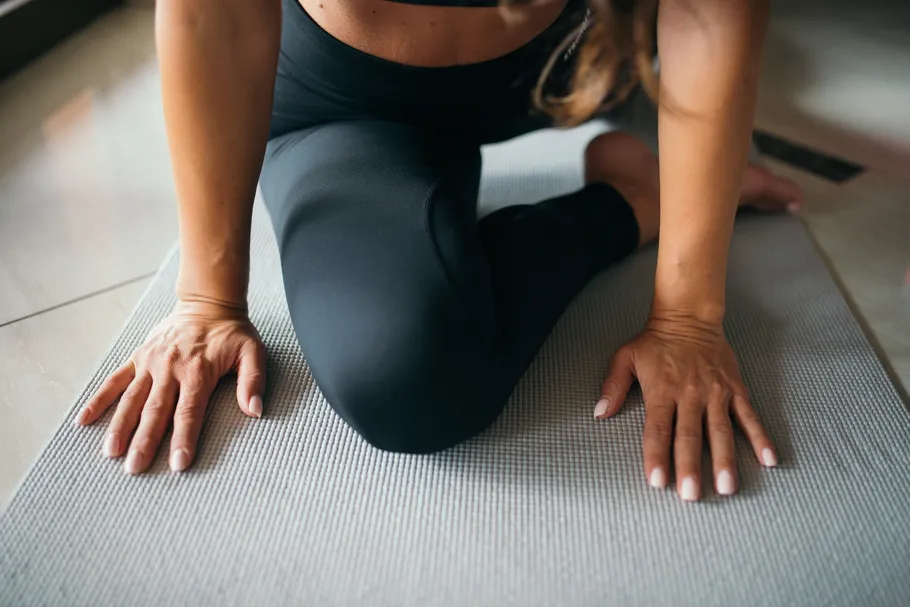
Type: PVC · Size: 71 × 26 in · Thickness: 6 mm · Weight: 7.5 lb (standard) · Guarantee: lifetime
The PRO is the mat other mats get compared to. It is dense, heavy and almost indestructible, with a sealed surface that wipes clean and a lifetime guarantee from the maker. Studios buy it because it survives daily classes for years; home users buy it because they never have to buy another mat.
Two things to know before you buy. First, it is famously slippery when new — the surface needs a break-in period of regular use (and, in the maker’s own guidance, a salt scrub) before the grip settles. Second, it is heavy: 7.5 lb for the standard size, so this is a mat that lives where you practise, not one you carry to class.
Pros
- Dense 6 mm cushion that protects knees without feeling wobbly
- Lifetime guarantee — the longest promise in this guide
- Sealed surface wipes clean and resists moisture
- Extra-wide 26 in surface gives room for broader stances
Cons
- Slippery when new until it is broken in
- Heavy at 7.5 lb — not a travel mat
- PVC construction, which rules it out for buyers avoiding plastics
- Premium price for a mat with no alignment markings
Who it’s for: home practitioners who want one mat for years and practise in a fixed spot. If you move your mat around the house or carry it out, the weight will annoy you.
👉 Check Manduka PRO 6mm on Amazon
Listing check: watch the size. The standard PRO is 71 × 26 in at 7.5 lb, but a Long version runs 85 in at 9.5 lb and a Short version 68 in at 7 lb, and the PROlite is a different, thinner mat at 4.7 mm and about 4 lb — confirm “PRO 6mm” and the 71 in length before ordering.
🧲 2. Lululemon The Mat 5mm — Best Grip for Sweaty Practice
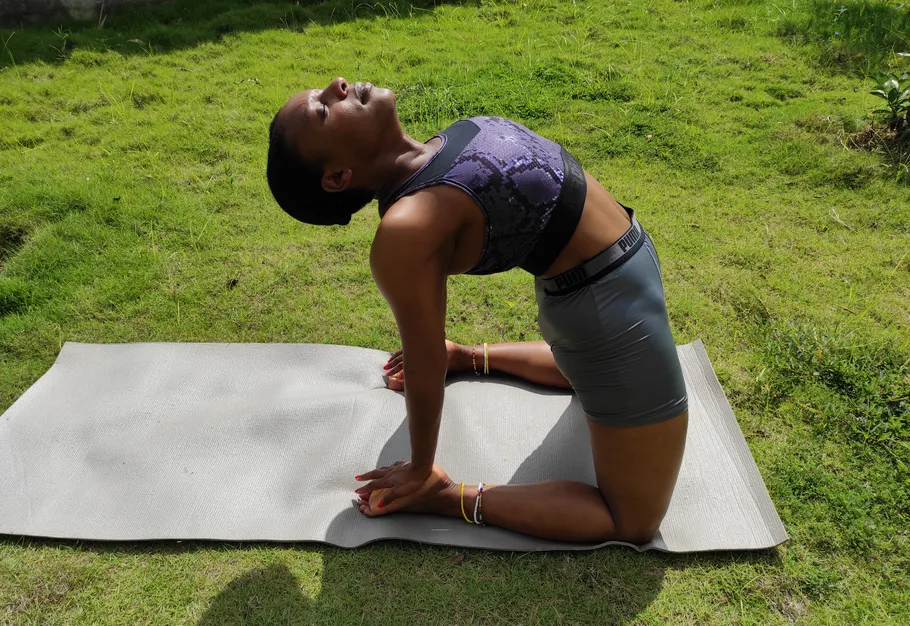
Type: polyurethane top, natural-rubber base · Size: 71 × 26 in · Thickness: 5 mm · Weight: 5.24 lb (maker) — see note · Reversible: yes
This is the mat for practice that gets sweaty. The top is polyurethane, which grips better as moisture builds — the opposite of most mats, which get slicker. Underneath is natural rubber for cushion and floor grip, and the mat reverses: the textured rubber side is there when you want a different feel.
Two records need stating. First, weight: the maker lists 5.24 lb, while an independent lab measurement recorded 5.9 lb and some reviews round it to 6 lb — the mat is mid-weight, but the exact figure depends on the record. Second, latex: the maker says the mat may contain latex, while some blogs describe it as latex-free — trust the maker here if latex matters to you.
Pros
- Polyurethane top that grips better with sweat, not worse
- Reversible — two usable surfaces in one mat
- FSC-certified natural-rubber base
- Extra-wide 26 in surface, same as the PRO
Cons
- Polyurethane top needs wiping and care to stay grippy
- Weight record is unsettled (5.24 lb maker vs 5.9 lb measured)
- May contain latex, despite some latex-free claims
- Premium price, and the top can mark with use
Who it’s for: hot-yoga fans and anyone whose hands slip on a standard mat. If your practice is gentle and dry, you are paying for grip you will not use.
👉 Check Lululemon The Mat 5mm on Amazon
Listing check: naming is the trap. “The Mat” is the current 5 mm reversible mat; older “Reversible Mat” listings are a different product line. Confirm the polyurethane top and the 71 × 26 in size before ordering.
🌿 3. Jade Harmony 68″ — Best Natural Rubber
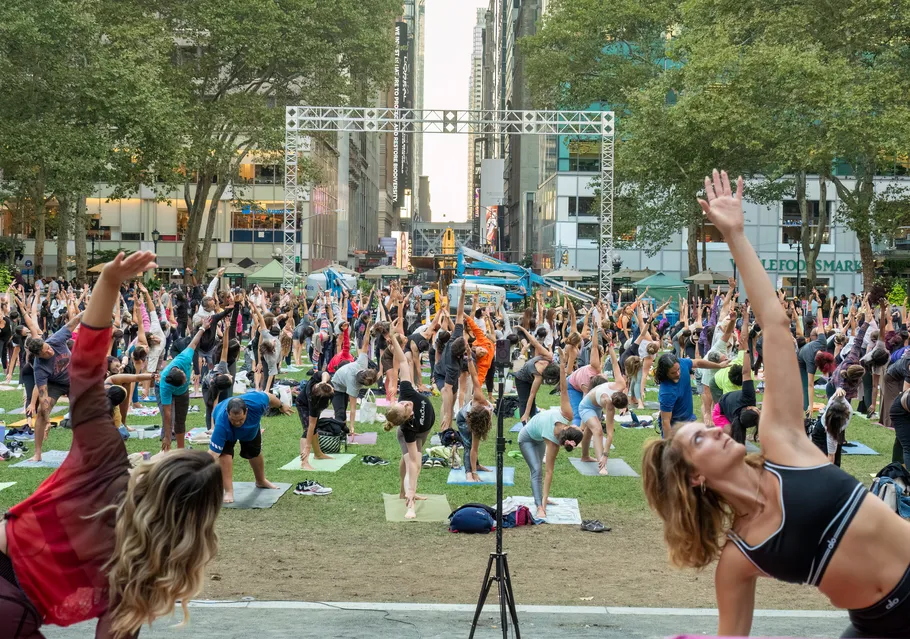
Type: open-cell natural rubber · Size: 68 × 24 in · Thickness: 3/16 in (about 4.7–5 mm) · Weight: about 5 lb (maker) — see note · PVC-free: yes
The Harmony is the mat for buyers who want nothing synthetic under them. It is open-cell natural rubber — no PVC, no EVA — with a textured surface that grips well in normal practice, and the maker plants a tree for every mat sold.
Two records need stating. First, weight: the maker says about 5 lb, while some listings say 4.2 or 4.6 lb and an independent measurement recorded 5.2 lb — treat it as a mid-weight mat, not a light one. Second, care: natural rubber breaks down in sunlight, so this mat lives indoors and away from windows.
Pros
- Genuinely natural: open-cell rubber, no PVC or EVA
- Strong natural grip in dry and lightly damp practice
- A tree planted for every mat sold
- Good middle thickness at about 5 mm
Cons
- Sunlight degrades natural rubber — indoor storage only
- Weight record is unsettled (4.2–5.2 lb across records)
- May contain latex, as natural rubber does
- Open-cell surface absorbs moisture and needs airing
Who it’s for: eco-minded practitioners who practise indoors and want a natural mat. If your mat lives by a sunny window or goes outside, pick a synthetic mat instead.
👉 Check Jade Harmony 68″ on Amazon
Listing check: sizes vary. This pick is the 68 × 24 in mat, but 71 in and 74 in lengths and a 28 in wide version exist, and the thicker Fusion sibling at 5/16 in and about 8 lb is a different mat. Confirm “Harmony 68” before ordering. If you stretch with bands as well as on a mat, our best resistance bands for home gyms guide pairs with this one — bands for assisted stretching, the mat for grounded work.
💰 4. Gaiam Premium 6mm — Best Budget
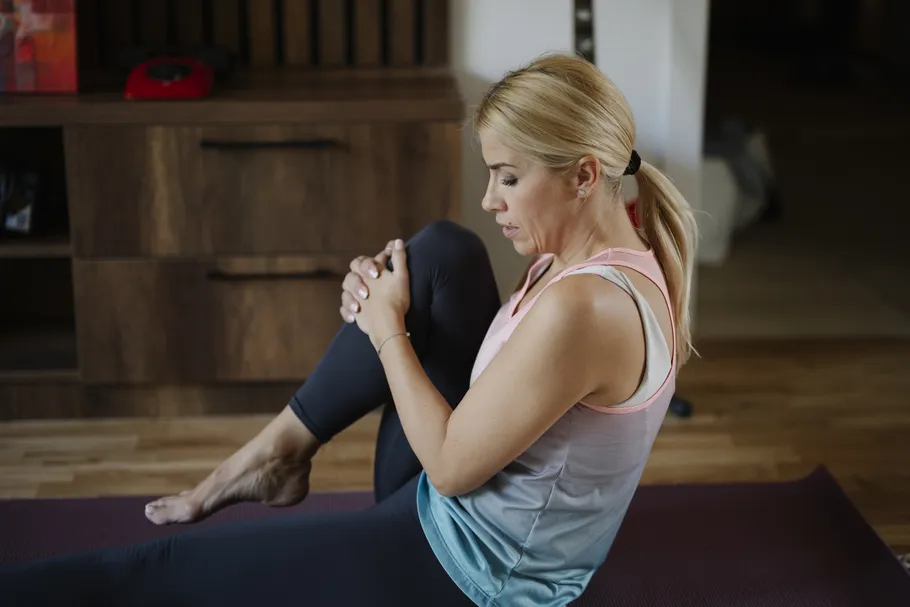
Type: latex-free PVC, 6P-free · Size: 68 × 24 in · Thickness: 6 mm — see note · Weight: 2.5–3.3 lb across listings — see note
The Gaiam is the mat to buy when you are not sure yoga is your thing yet. It is thick at 6 mm, light enough to carry anywhere, latex-free, and costs a fraction of the premium mats — while still giving knees real cushion on a hard floor.
Two records need stating. First, weight: listings disagree widely, from 2.5 lb to 3.3 lb, so call it light rather than quoting one figure. Second, thickness: some listings read 5 mm and some 6 mm; the maker notes a packaging change from 5 mm to 6 mm for the same size and style of mat, so the current mat is the 6 mm one.
Pros
- Thick 6 mm cushion at a budget price
- Light — the lightest pick in this guide by any record
- Latex-free and 6P-free PVC
- Easy to carry, roll and store
Cons
- Weight and thickness records disagree across listings
- Less dense than the PRO — cushion, not firm support
- Standard 68 × 24 in size, narrower than the 26 in mats
- Will not last like a lifetime-guaranteed mat
Who it’s for: beginners, occasional practitioners and anyone who wants a spare mat for guests. If you practise daily and hard, you will outgrow it — start with the PRO instead.
👉 Check Gaiam Premium 6mm on Amazon
Listing check: variants abound — solid colours, prints and reversible versions all carry the Premium name. Confirm the plain 6 mm mat in the colour you want, not a printed or reversible variant, before ordering.
📐 5. Liforme Original — Best Alignment

Type: eco-polyurethane surface, natural-rubber base · Size: 72.8 × 26.8 in · Thickness: 4.2 mm · Weight: 5.5 lb · Alignment: AlignForMe etched system · Bag: included
The Liforme is the only mat here that teaches you while you practise. Its AlignForMe system is etched into the surface: a central line, 45° lines, end-to-end lines and reverse points that show exactly where hands and feet go. For self-taught home practitioners, that is the difference between guessing your alignment and seeing it.
The surface is eco-polyurethane for grip, on a natural-rubber base, and a carry bag comes in the box. One caution: a listing variant table also shows a 70.87 × 25.98 in size — that is a different size, not this pick, so confirm the 72.8 × 26.8 in Original before ordering.
Pros
- The only alignment system in this guide, etched not printed
- Longest standard pick at 72.8 in, and widest at 26.8 in
- Grippy eco-polyurethane surface
- Carry bag included in the box
Cons
- Thinnest pick at 4.2 mm — less knee cushion than the 6 mm mats
- Etched lines are a love-it-or-ignore-it look
- Heavier than the budget mat at 5.5 lb
- Premium price for a mat whose lines some practitioners never use
Who it’s for: self-taught practitioners and anyone working on alignment without a teacher in the room. If you already know your lines by feel, the etchings are decoration.
👉 Check Liforme Original on Amazon
Listing check: variants again. The Travel mat is a different, thinner 2 mm mat at 3.5 lb, and the XL is a different, longer 82.7 in mat at 7.7 lb — neither is this pick. Confirm “Original” and the 72.8 in length before ordering.
✨ 6. Alo Warrior — Best Premium Feel
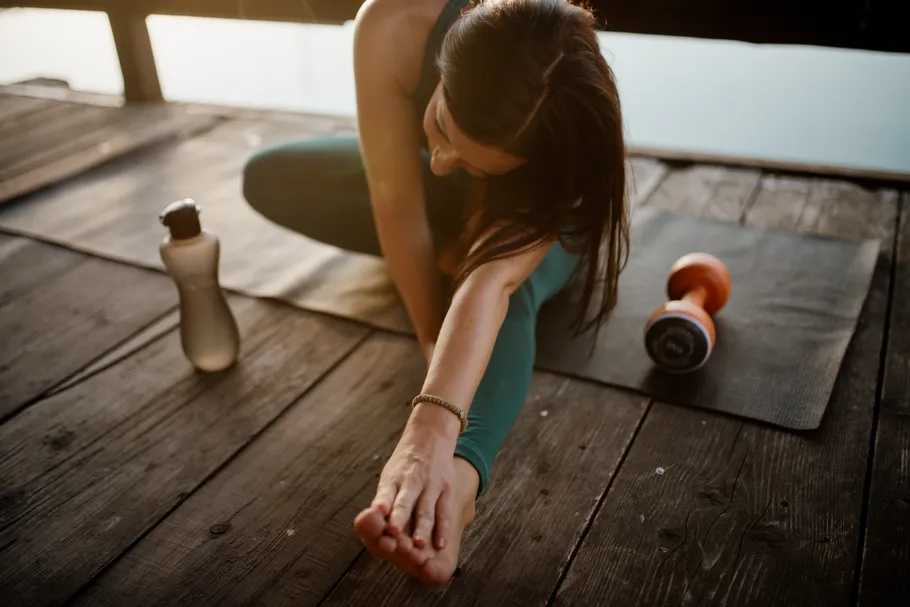
Type: polyurethane leather top, natural-rubber base · Size: 74 × 26 in · Thickness: 4.2 mm (older listings) to 5 mm (newer reviews) — see note · Weight: 6 lb (older) to about 8 lb (newer reviews) — see note · PVC-free: yes
The Warrior is the mat that feels most like a studio floor. Its top is a polyurethane leather — smooth, grippy and easy to wipe — over a natural-rubber base, with no PVC or formaldehyde. It is also the widest-feeling mat here in use, at 74 in long, with a Long version at 84 in for taller practitioners.
Two records need stating. First, thickness: older Alo listings say 4.2 mm, newer reviews say 5 mm — the mat is mid-thickness, but the exact figure is unsettled. Second, weight: older records say 6 lb, newer reviews about 8 lb — treat it as a heavier mat, not a portable one. One more honest note: the light-coloured top shows dirt and marks easily, and one review found it slippery in very sweaty hot yoga, against the usual grip-improves-with-sweat claims.
Pros
- Premium polyurethane leather top that wipes clean
- Long 74 in standard size, with an 84 in Long version
- PVC-free and formaldehyde-free construction
- Studio-floor feel underfoot
Cons
- Thickness and weight records are unsettled (4.2–5 mm, 6–8 lb)
- Light top shows dirt and marks easily
- One review reports slipperiness in very sweaty hot yoga
- Premium price for a mat with no alignment markings
Who it’s for: practitioners who want the nicest-feeling mat in the room and practise in a fixed spot. If you travel with your mat or practise hot yoga daily, the weight and the one slippery report should give you pause.
Listing check: confirm the standard 74 × 26 in Warrior, not the 84 in Long version, and check the colour — lighter colours show marks fastest. The Long version is a real option for taller users, but it is a variant, not this pick.
📊 Comparison Table
| Mat | Size | Thickness | Weight | Material |
|---|---|---|---|---|
| Manduka PRO 6mm | 71 × 26 in | 6 mm | 7.5 lb | PVC |
| Lululemon The Mat 5mm | 71 × 26 in | 5 mm | 5.24 lb (maker; 5.9 lb measured) | Polyurethane / rubber |
| Jade Harmony 68″ | 68 × 24 in | About 5 mm | About 5 lb (maker; up to 5.2 lb measured) | Natural rubber |
| Gaiam Premium 6mm | 68 × 24 in | 6 mm | 2.5–3.3 lb (listings disagree) | PVC, latex-free |
| Liforme Original | 72.8 × 26.8 in | 4.2 mm | 5.5 lb | Polyurethane / rubber |
| Alo Warrior | 74 × 26 in | 4.2–5 mm (disputed) | 6–8 lb (disputed) | Polyurethane leather / rubber |
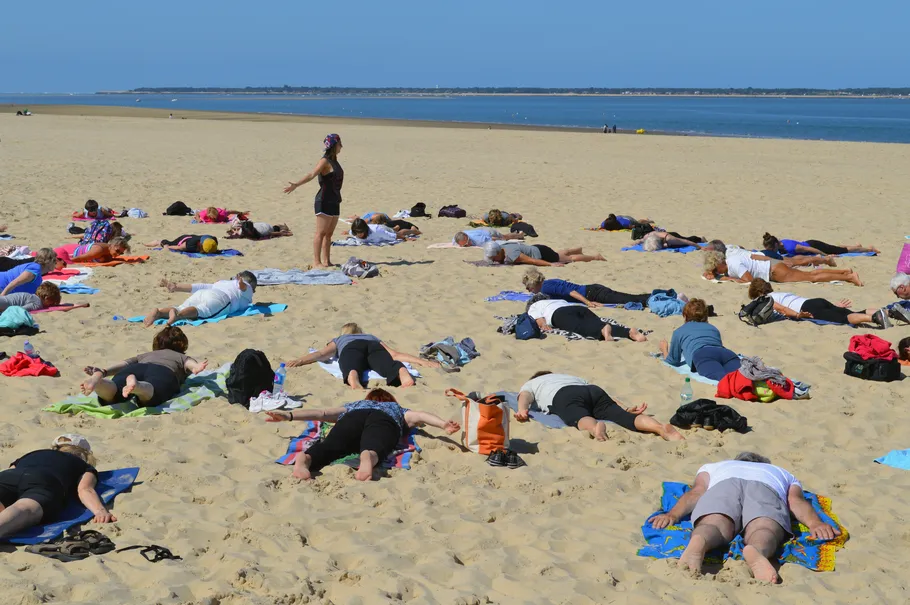
Read the table with the disputes in it, not past them. Where a cell carries a range or a “disputed” note, the records genuinely disagree — the article states the disagreement above rather than averaging it into a false single number. Scoped across all six picks: the longest standard pick is the Liforme at 72.8 in (the Alo Long at 84 in is a variant, not the standard pick); the thickest tie is the Manduka PRO and the Gaiam at 6 mm; the thinnest is the Liforme at 4.2 mm; the lightest is the Gaiam by any record; the only alignment system is the Liforme’s; the only reversible mat is the Lululemon; and the only PVC picks are the Manduka PRO and the Gaiam. No settled heaviest claim is made: the Manduka PRO’s 7.5 lb standard overlaps the Alo’s disputed 6–8 lb range.
🧭 How to Choose the Right Yoga Mat
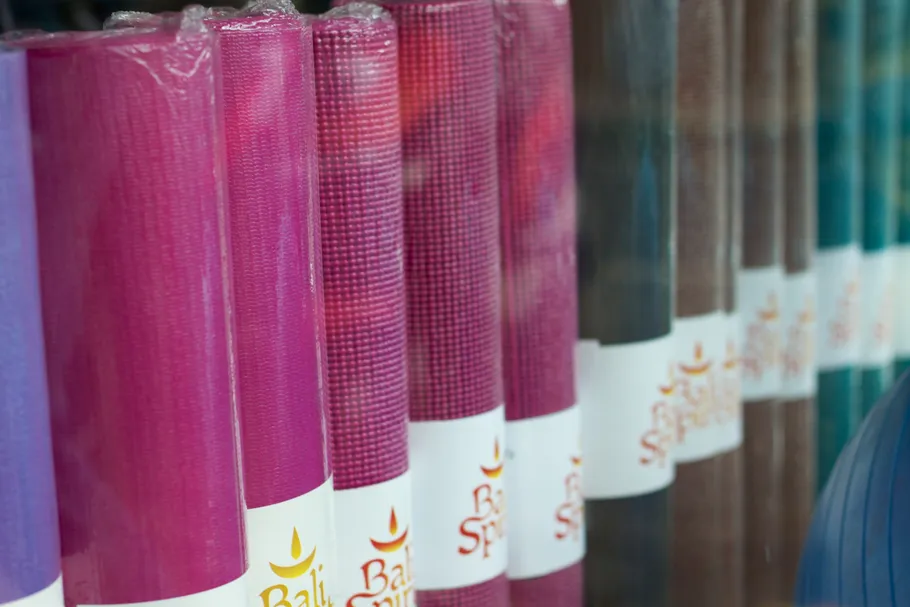
Start with size. 📏
Your mat should be at least as long as you are tall, with room for a step back in a lunge. At 68 in, the Jade and Gaiam suit shorter practitioners; at 71–74 in, the Manduka, Lululemon and Alo suit most adults; at 72.8 in, the Liforme suits taller users best. Width matters too: 24 in is standard, 26 in and above gives broader stances real room.
Then thickness. 🧱
Thicker is not always better. At 6 mm, the Manduka and Gaiam cushion knees well, but a thick soft mat can wobble under balancing poses. At 4.2–5 mm, the Liforme, Lululemon, Jade and Alo feel firmer and more stable. If your knees hurt, go thicker; if your balance wobbles, go thinner and firmer.
Then material — and what it costs you in care. 🌿
PVC (Manduka, Gaiam) is durable and easy to clean but synthetic. Natural rubber (Jade, and the bases of the Lululemon, Liforme and Alo) grips beautifully but hates sunlight and can carry latex. Polyurethane tops (Lululemon, Liforme, Alo) grip best when damp but need wiping and care.
Then grip, honestly assessed. 🧲
If your hands slip, the Lululemon is the pick — its top grips better with sweat. If your practice is dry and gentle, any of these grips fine, and you should choose on size and cushion instead. And if you practise hot yoga daily, note the Alo’s one slippery report before paying its premium price.
Finally, weight and storage. 🎒
A mat that lives in one corner can weigh 7.5 lb without consequence. A mat you carry to class, roll daily or hang on a hook should be light — the Gaiam is the only genuinely light pick here. Measure your storage spot too: a 74 in mat needs a longer roll space than a 68 in one.
Safety note: a mat is not a medical device. If you have knee, wrist or back problems, choose the thicker, firmer option and check with a clinician before starting a new practice — and never practise balancing poses on a mat that slides on your floor. A damp towel under the mat stops most sliding.
❓ Frequently Asked Questions
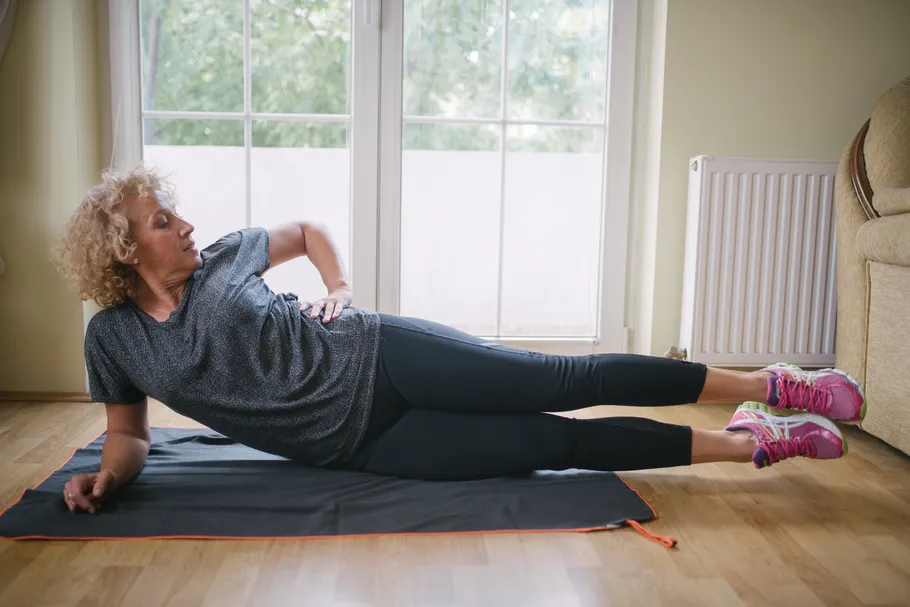
What size yoga mat should I buy?
At least your height, ideally a few inches longer, and 24 in wide at minimum. Most adults are well served by 71 × 26 in; taller users should look at the 72.8 in Liforme or the 74 in Alo, and the Alo Long at 84 in exists for very tall practitioners.
Is a thicker yoga mat better for knees?
Thicker helps knees, up to a point. A 6 mm mat like the Manduka PRO or Gaiam Premium cushions kneeling poses well, but a very soft thick mat can wobble in balances. If knees are your main concern, pick a dense 6 mm mat rather than a soft thick one.
Why is my new yoga mat slippery?
Most new mats have a smooth factory finish, and the Manduka PRO is famously slippery when new. Regular use breaks the surface in, and the maker’s guidance includes a salt scrub for the PRO. Polyurethane-top mats like the Lululemon behave the opposite way — they grip better once damp.
Are natural rubber mats better than PVC mats?
Neither is simply better. Natural rubber (Jade) grips well and avoids plastics but degrades in sunlight and may contain latex. PVC (Manduka, Gaiam) lasts longer and cleans easily but is synthetic. Choose on your priorities, not on a claim that one material wins for everyone.
How do I clean a yoga mat?
Wipe it after practice with a damp cloth and let it air-dry flat, out of direct sun. Sealed PVC wipes cleanest; open-cell rubber absorbs moisture and needs airing; polyurethane tops need regular wiping to keep their grip. Never soak a natural-rubber mat, and never store any mat in sunlight.
What pairs well with a yoga mat at home?
Gentle movement around practice — light stretching before, and easy walking after. Our best walking pad for home guide covers the other half of the home-gym equation: daily steps between sessions, which keep worked muscles moving instead of stiffening up again.
Found this guide useful? Every purchase through our links helps keep thenandnows.com running — thank you for the support. 🙏
Disclosure: This article contains affiliate links. If you buy through them, thenandnows.com may earn a small commission at no extra cost to you. It never changes which products we recommend.
Pingback: Best Medicine Balls for Home Gyms (2026)
Pingback: Best Wrestling Mats for Home Gyms (2026)