
Every home gym has a recovery gap. 🏠 You train, you get sore, and then you either stretch for two minutes and hope, or you own a tool that actually works the tight spots. A foam roller is that tool — a cylinder you roll tight muscles over, using your own body weight, to loosen what training tightened up.
But roller shopping is confusing in its own quiet way. Brands measure firmness differently, sizes jump between 12 and 36 inches, and a “firm” roller from one maker can feel softer than a “medium” from another. This guide sorts that out, pick by pick, with every conflict stated instead of smoothed over.
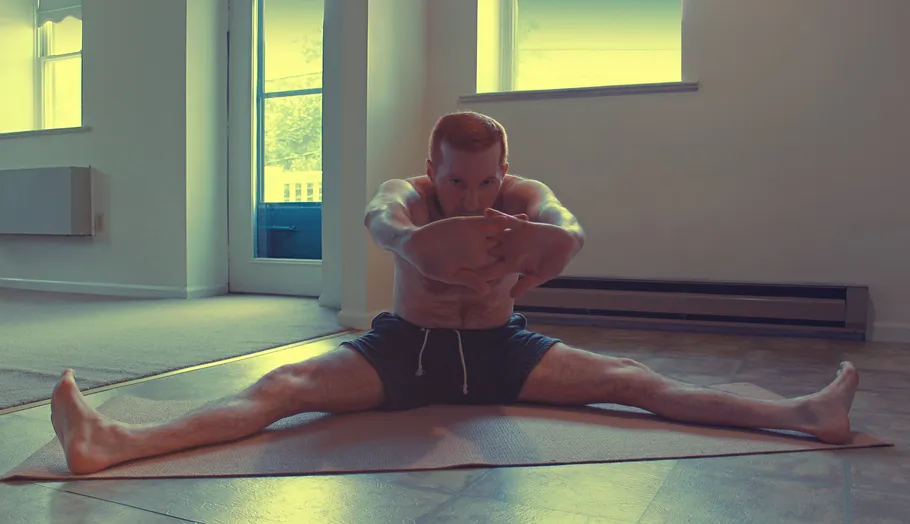
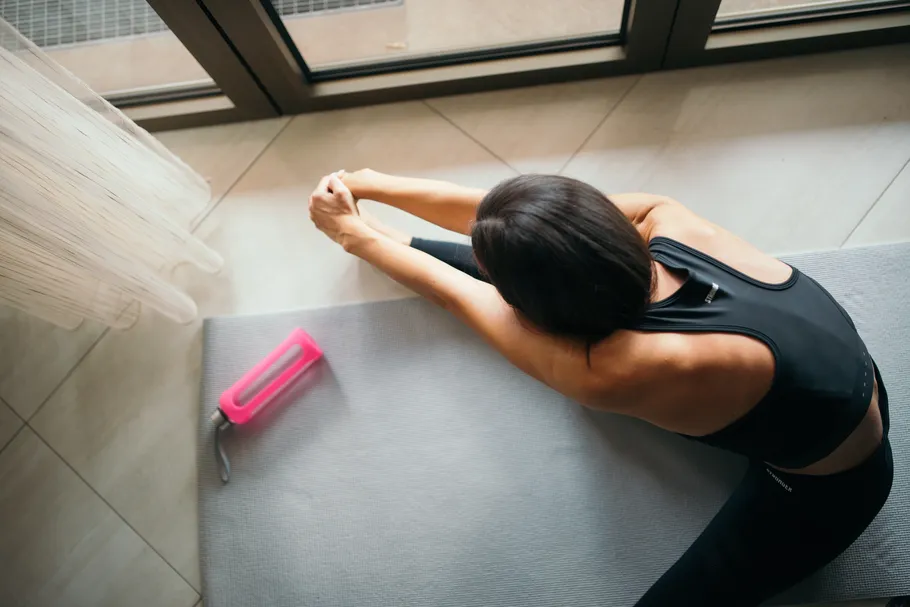
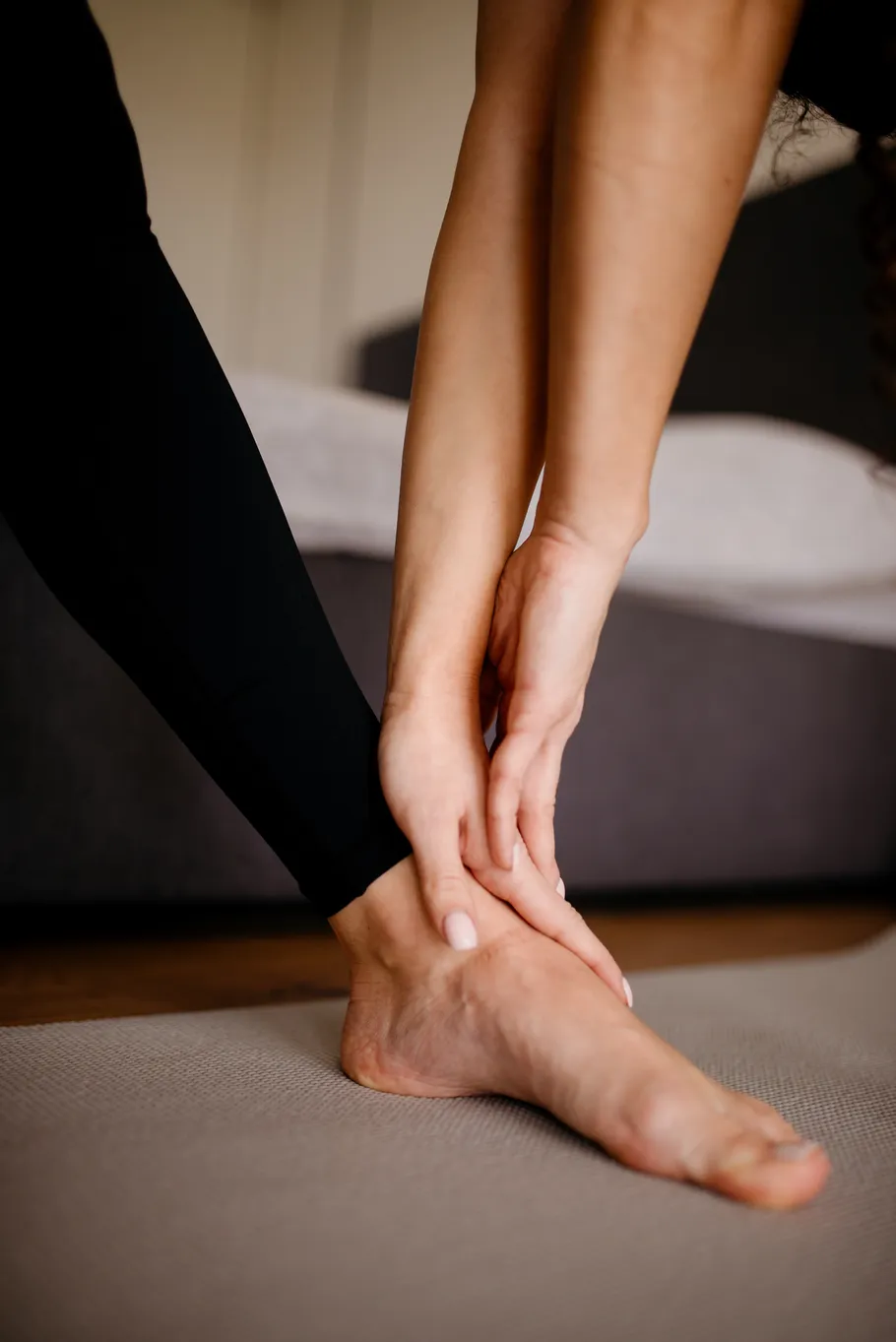
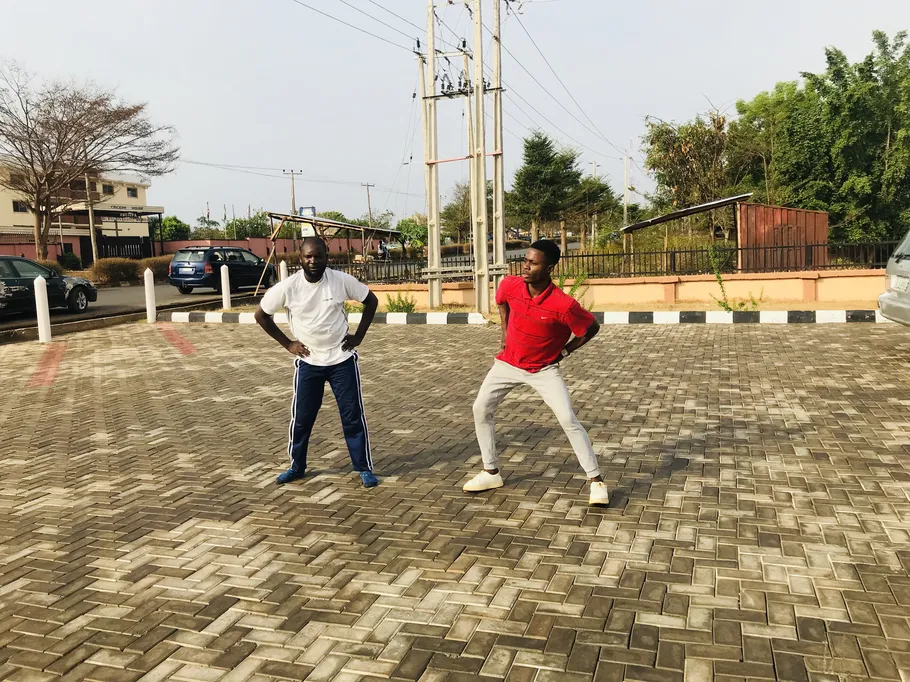
One honest note on photos first: no free-license photo of any named roller in this guide exists — the product shots are seller photos, and seller photos are never used here. Every picture below is an honest generic scene, captioned as the scene it actually shows, never presented as the named product.
Rollers pair naturally with the recovery work you already know. If you have not read it yet, our best resistance bands for home gyms guide covers the other half of a small-space recovery kit — bands for assisted stretching and activation, rollers for pressure work on tight muscles.
⚡ Quick Picks

Best overall: TriggerPoint GRID 13″ — the benchmark textured roller, with three pressure zones on one surface and a 500 lb weight limit. Best budget: Amazon Basics High-Density 18″ — a firm, smooth, no-frills roller in the size most people actually need. Best full-length: OPTP PRO-Roller Standard 36″ — a 36-inch physio roller you can lie along for back and spine work. Best extra-firm budget: LuxFit High Density 24″ — speckled, extra-firm foam with a 2 lb per cubic foot density and a long warranty. Best deep tissue: RumbleRoller Original 31″ — knobbed bumps that dig like thumbs, in the full 31-inch length. Best vibrating: Hyperice Vyper 3 — a 34W motor with three speeds for people who want the roller to do more of the work. Our best adjustable weight bench for home gyms guide is the natural next step once recovery is sorted — a bench turns a home gym from a cardio corner into a full training setup.
🏆 1. TriggerPoint GRID 13″ — Best Overall
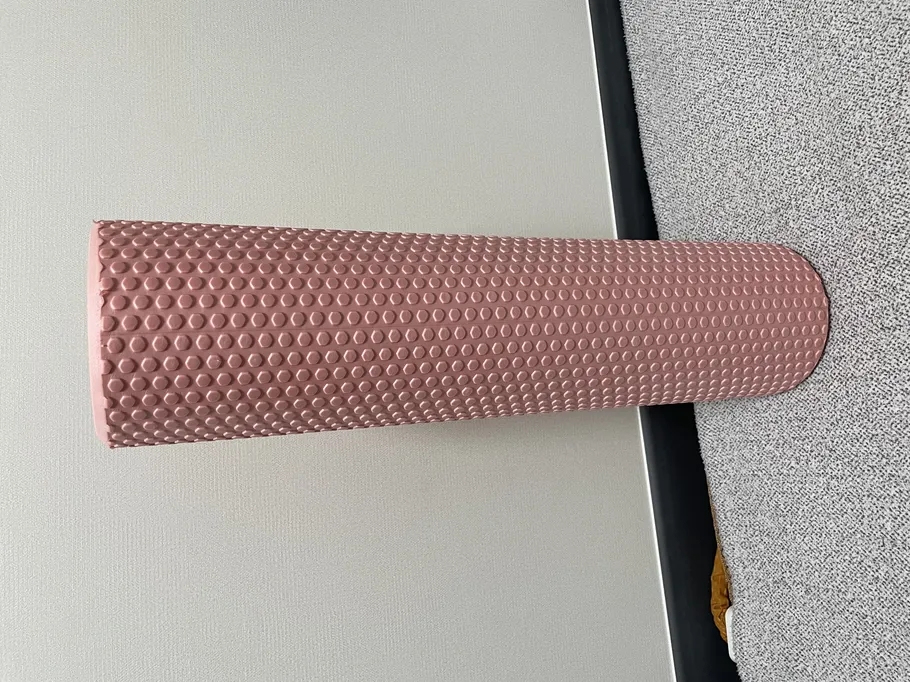
Type: Textured, multi-density · Material: EVA foam over a rigid hollow core · Size: 13 × 5.5 in · Weight limit: 500 lb
The GRID is the reference textured roller in home gyms: a 13-inch roller with a patented multi-density surface — flat zones that work like a palm, tubular ridges that knead like fingers, and firm nodules that dig like thumbs — wrapped around a rigid hollow core that keeps its shape under load. The maker rates it to 500 lb, and the hollow core is why it survives years of daily use without flattening the way cheap solid-foam rollers do.
Two conflicts come with that record. First, one major retailer lists the GRID X as “tested to withstand up to 550 pounds” against the maker’s 500 lb figure — this guide follows the maker’s 500 lb. Second, diameter records differ slightly: most records give 5.5 in, while one GRID X record gives 5.3 in, and unit weight records give 1.5 lb against 1.7 lb. None of that changes the pick, but it is why the spec line above reads 13 × 5.5 in and 500 lb rather than a blended figure. Note also that the GRID X is the extra-firm sibling, not this pick: this pick is the original GRID 1.0 firm density, and the 26-inch GRID 2.0 is the same line in a longer body, not a separate recommendation.
Pros
- Benchmark textured roller — three pressure zones on one surface
- Rigid hollow core holds its shape under a 500 lb rating
- Compact 13-inch size travels and stores easily
- EVA surface wipes clean after sweaty sessions
Cons
- Weight-limit records conflict: 500 lb maker figure against a 550 lb retailer test claim
- 13 inches is short for lying lengthwise along the spine
- Textured surface can feel harsh on sensitive areas at first
- GRID X extra-firm listings can be confused with this original firm model
Who it’s for: lifters and runners who want one roller that covers quads, calves, back and IT bands with real pressure, and who value a roller that will not go flat in six months. If you only buy one textured roller, this is the default.
👉 Check TriggerPoint GRID on Amazon
Listing check: no confident listing code was verified for this roller, so the link above is a tagged search — confirm the original GRID 1.0 firm model at 13 inches, not the GRID X extra-firm, before ordering. Heavy training pairs with serious recovery, and our best adjustable dumbbells for home workouts guide covers the loading side of that equation.
💰 2. Amazon Basics High-Density 18″ — Best Budget
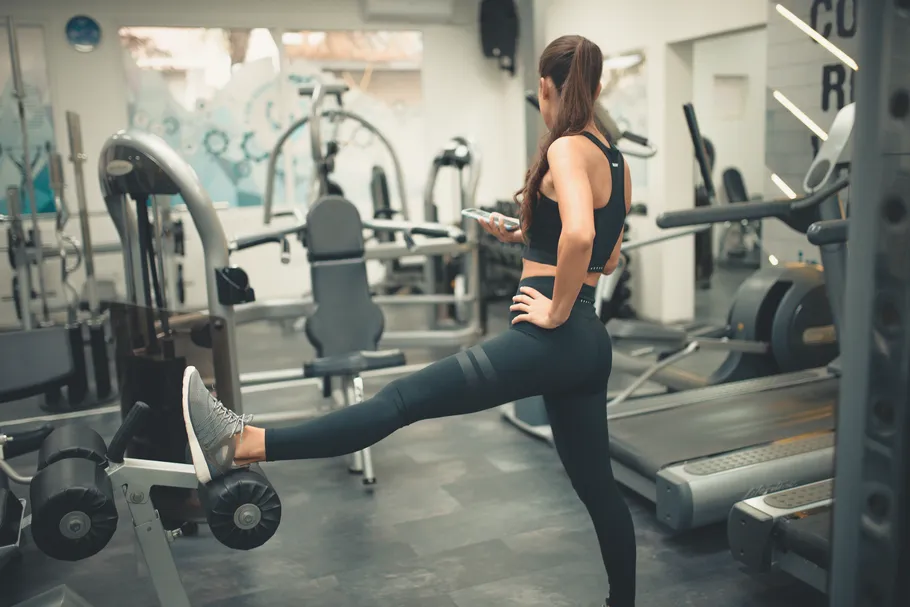
Type: Smooth, high-density · Material: polypropylene (see conflict note) · Size: 18 × 6 in · Firmness: firm
The Amazon Basics roller is the cheapest honest way into foam rolling: a smooth, firm, high-density cylinder in the 18-inch length most people actually use, with a 6-inch diameter that suits quads, back, calves and IT bands. There are no zones, no knobs and no motor — just dense foam that holds its shape, wipes clean and costs less than a takeaway dinner. Sizes run 12, 18, 24 and 36 inches, and this pick is the 18-inch middle of that ladder.
Two conflicts need stating. First, material records disagree: the current high-density listing (model EPPBK-18-1) reads polypropylene, while an older round-roller listing (model IB1014) reads polyethylene — this guide follows the current polypropylene record, and the two listings are not the same product. Second, availability wobbles: the 18-inch black version showed “Currently unavailable” on one listing record, so check stock and color before assuming the black one is the one you will get. The speckled blue version is the same firm foam in a different color, not a different density.
Pros
- Cheapest honest roller here — firm foam, no gimmicks
- 18-inch length suits most bodies and most muscle groups
- Smooth surface is gentle enough for beginners
- Four sizes, so the same foam scales from travel to full-length
Cons
- Material records conflict: polypropylene on the current listing against polyethylene on an older one
- 18-inch black showed Currently Unavailable on one listing record
- Smooth surface gives no targeted pressure for stubborn knots
- No weight limit stated in the records checked
Who it’s for: beginners and budget buyers who want to find out whether foam rolling helps them, without paying for texture or vibration first. If it clicks, upgrade later; if it does not, little is lost.
👉 Check Amazon Basics Foam Roller on Amazon
Listing check: no confident listing code was verified for this roller, so the link above is a tagged search — confirm the 18-inch high-density model (EPPBK-18-1), the polypropylene record and current stock before ordering.
📏 3. OPTP PRO-Roller Standard 36″ — Best Full-Length
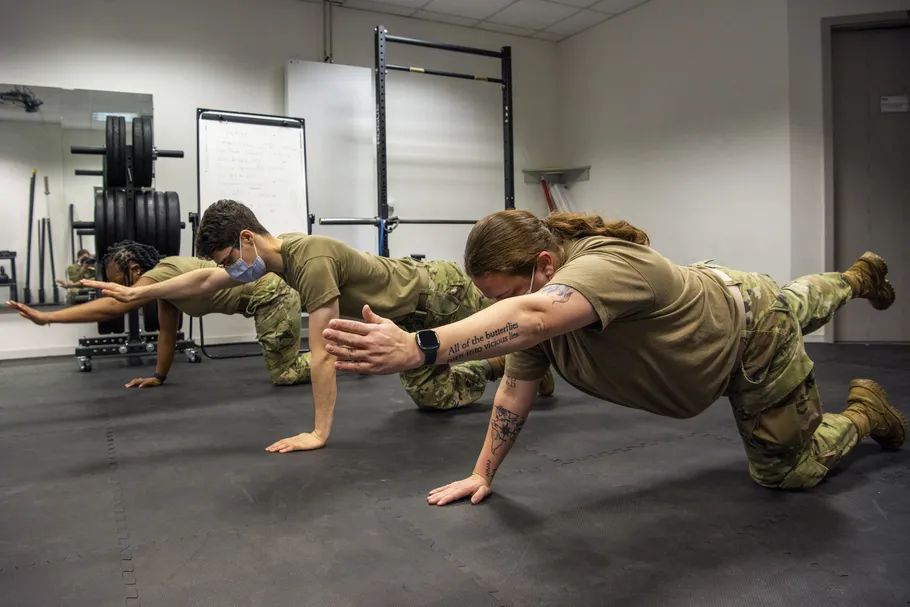
Type: Smooth, closed-cell EVA · Material: heat-moulded closed-cell EVA · Size: 36 × 6 in · Density: standard (medium-firm)
The PRO-Roller Standard is the physio-room roller in this guide: 36 inches long and 6 inches across, in medium-firm closed-cell EVA foam that is firmer than OPTP’s Soft and Super Soft rollers without being as unforgiving as a hard black high-density roller. The length is the point — at 36 inches you can lie lengthwise along it for spine and back work, roll both legs at once, and use it for Pilates and balance drills that a 13-inch roller simply cannot cover. It weighs about 1 lb, so it is easy to move even at full length.
Two record quirks need stating. First, one UK listing gives the weight as 4.23 kg — that is a shipping weight, not the roller, and this guide follows the maker’s approximate 450 g (1 lb). Second, size records differ slightly: the maker gives 36 × 6 in, while one listing record gives 35.9 × 6.3 in. OPTP’s own density ladder runs Super Soft, Soft, Standard and Firm — this pick is the Standard rung, and the 3-inch-diameter half-roller is a different product for balance work, not a smaller version of this pick.
Pros
- Longest roller here at 36 inches — lie along it for back and spine work
- Medium-firm density suits sensitive users better than hard rollers
- Closed-cell EVA wipes clean and resists moisture
- Light at about 1 lb despite the full length
Cons
- 36 inches needs real floor and storage space
- Smooth surface gives no targeted knot pressure
- Weight records conflict: about 1 lb maker figure against a 4.23 kg listing weight
- Four-density ladder (Super Soft to Firm) can confuse buyers into the wrong rung
Who it’s for: people with back, spine or Pilates work in mind, and anyone who wants one roller that covers the whole body in one pass. If floor space is tight, the 18-inch version of the same roller exists — but this pick is the full 36.
👉 Check OPTP PRO-Roller on Amazon
Listing check: no confident listing code was verified for this roller, so the link above is a tagged search — confirm the Standard density 36 × 6 inch model, not the Soft, Super Soft or Firm rungs, before ordering.
🧱 4. LuxFit High Density 24″ — Best Extra-Firm Budget

Type: Smooth, speckled, extra-firm · Material: molded polypropylene · Size: 24 × 6 in · Density: 2 lb per cubic foot
LuxFit’s speckled roller is the firm-budget pick: molded polypropylene foam at 2 lb per cubic foot, labeled extra firm, in a 24-inch length that splits the difference between a travel roller and a full-length one. The speckled finish is the giveaway — it is the same foam family as the Amazon Basics speckled roller, but LuxFit states its density openly and backs the roller with a long warranty, which is rare at this end of the market.
Three conflicts sit around this pick. First, one buying guide describes it as “the same firm EVA” as the Amazon Basics roller — that conflicts with the maker’s polypropylene records and is not followed here. Second, sizes: the maker lists 12, 18, 24 and 36 inches, while one roundup lists only 12, 18 and 36 — this pick is the 24-inch size either way. Third, warranty: the speckled listing carries a 3-year warranty while a premium black listing carries 1 year — warranty follows the variant, so confirm which one the listing you buy actually offers. One guide also notes slight flex on the longest hollow-core version under heavier users; the 24-inch size here is the safer middle ground.
Pros
- Extra-firm foam at a budget price, with density stated openly at 2 lb per cubic foot
- Speckled molded foam holds its shape and repels liquids
- 24-inch length suits most bodies without dominating a room
- Long warranty on the speckled variant — rare for a budget roller
Cons
- Material records conflict: polypropylene maker records against one guide’s “same firm EVA” claim
- Extra firm can be too hard for beginners and sensitive areas
- Warranty differs by variant: 3 years speckled against 1 year premium black
- Smooth surface gives no targeted pressure for deep knots
Who it’s for: experienced rollers who want real firmness without paying textured-roller money, and heavier users who flatten soft rollers. Beginners should start with the Amazon Basics or OPTP instead.
👉 Check LuxFit Foam Roller on Amazon
Listing check: no confident listing code was verified for this roller, so the link above is a tagged search — confirm the 24-inch speckled model, the extra-firm density and the warranty on that variant before ordering.
🔩 5. RumbleRoller Original 31″ — Best Deep Tissue
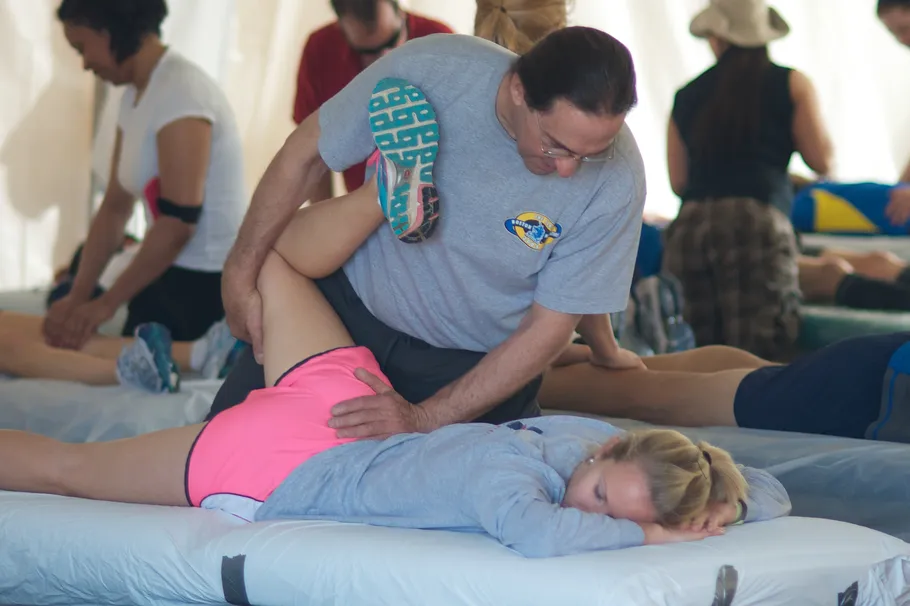
Type: Knobbed, deep tissue · Material: solid-core EVA/polyolefin · Size: 31 × 6 in · Density: Original (blue), X-Firm (black) 36% firmer
The RumbleRoller is the only knobbed roller in this guide, and it feels like it. Its surface is covered in firm, flexible bumps — spaced under 2 inches apart, so several contact the muscle at once — designed to mimic a massage therapist’s thumbs: they dig into the tissue and pull it sideways as you roll, instead of just squashing it flat. The full-size model is 31 inches long and 6 inches across, long enough to roll your full back or both legs at once, and the maker says the bumps are firmer than muscle but softer than bone, so they deflect off bony spots rather than grinding them.
Size records need care. Older reviews describe two sizes, 12 and 31 inches; the current line has three — Compact at 13 inches and 5 inches across, Midsize at 22 inches and 5.5 inches across, and Full-size at 31 inches and 6 inches across. This pick is the Full-size. Density is the other trap: Original blue is the maker’s recommendation for almost everyone, including athletes, while X-Firm black runs about 36% firmer and is meant only for experienced users with especially dense muscle that does not respond to normal pressure. Even the Original is more aggressive than any smooth roller here — reviewers call it a “good hurt” that beginners often find brutal. The maker also notes the bumps soften slightly during the first month of use, which is normal, not a defect.
Pros
- Only knobbed roller here — bumps dig and pull tissue like thumbs, not just pressure
- Full 31-inch length covers back and both legs in one pass
- Solid core with waterproof, latex-free foam that holds its shape
- Bumps deflect off bone instead of grinding it
Cons
- Even the Original density is brutal for beginners — not a first roller
- Size records conflict: older two-size line against the current three-size line
- Knobs make the roll slower and less smooth than a smooth roller
- X-Firm black at 36% firmer can be too painful on some body parts
Who it’s for: experienced rollers with stubborn knots who find smooth rollers too gentle, and athletes chasing deep-tissue work at home. New rollers should start with the GRID or OPTP and graduate to this.
👉 Check RumbleRoller on Amazon
Listing check: no confident listing code was verified for this roller, so the link above is a tagged search — confirm the Full-size 31-inch Original blue model, not the X-Firm black or the Compact/Midsize, before ordering.
⚡ 6. Hyperice Vyper 3 — Best Vibrating
Type: Contoured, vibrating · Motor: 34W high-torque · Size: 13 × 5.4 in · Battery: up to 2 hours · Speeds: 3
The Vyper 3 is the only powered roller in this guide: a 13-inch contoured roller with a 34W high-torque motor inside, three vibration speeds cycled from one button on the end cap, and a contoured hourglass profile that cradles the spine for thoracic work. The idea is simple — vibration lets you ease off the pressure and still feel the roller working — and the maker suggests 30 to 60 seconds per muscle group, before or after training. It charges from an 18V wall charger with three international adapters, and the battery is TSA-approved for travel.
Spec records differ across manual revisions, so read them with care. Weight reads 2.7 lb on retailer records against 3 lb including the charger in the manual. Battery capacity reads 2400 mAh in one manual revision against 2550 mAh in another. Vibration frequencies read 2400/3000/3500 Hz (40/50/58 Hz) in one revision against 2400/3200/4000 Hz in another. Runtime is consistent where it matters: about 2 hours at the top speed, longer at lower speeds, with a full recharge taking about 2 hours and a monthly full recharge recommended to prolong battery life. The smaller Vyper Go (10.6 inches, 26W motor) is a different product, not a smaller version of this pick.
Pros
- Only vibrating roller here — 34W motor with three speeds
- Contoured profile cradles the spine for upper-back work
- Up to 2 hours of runtime, TSA-approved battery for travel
- Vibration lets you use less body-weight pressure for the same feel
Cons
- Spec records conflict across manual revisions: weight, battery capacity and frequencies all differ
- Needs charging — dead battery means a heavy ordinary roller
- 13 inches is short for lying lengthwise along the spine
- Most complex and most expensive type here, with electronics to fail
Who it’s for: people who already foam roll and want more intensity without more pressure, and travelers who want one recovery tool in a hotel room. First-time rollers should learn pressure on a plain roller first.
👉 Check Hyperice Vyper 3 on Amazon
Listing check: no confident listing code was verified for this roller, so the link above is a tagged search — confirm the Vyper 3 full-size model (13 inches, 34W), not the smaller Vyper Go, before ordering.
📊 Comparison Table
| Pick | Type | Size | Firmness | Standout |
|---|---|---|---|---|
| TriggerPoint GRID | Textured, multi-density | 13 × 5.5 in | Firm, zoned | Benchmark textured roller |
| Amazon Basics | Smooth, high-density | 18 × 6 in | Firm | Cheapest way in |
| OPTP PRO-Roller | Smooth, closed-cell EVA | 36 × 6 in | Medium-firm | Longest here |
| LuxFit | Smooth, speckled | 24 × 6 in | Extra firm | Firmest budget foam |
| RumbleRoller | Knobbed, deep tissue | 31 × 6 in | Original / X-Firm | Only knobbed pick |
| Hyperice Vyper 3 | Contoured, vibrating | 13 × 5.4 in | 3 speeds + motor | Only vibrating pick |
Read the Firmness column with care, because it mixes three different kinds of figure, not one like-for-like scale. For the foam rollers it means how hard the foam feels — firm, medium-firm or extra firm. For the RumbleRoller it means knob aggression, where even the softer Original is more intense than any smooth roller here. For the Vyper 3 it means motor speeds, not foam at all — the contoured foam underneath is firm, and the vibration adds intensity on top. Compare firmness only inside each type, and read the pick sections for the full story.
Scoped superlatives: the longest roller is the OPTP at 36 inches, and the shortest are a tie at 13 inches between the GRID and the Vyper 3. The widest diameter is a tie at 6 inches between Amazon Basics, OPTP, LuxFit and RumbleRoller, against 5.5 inches for the GRID and 5.4 for the Vyper 3. The GRID is the only multi-density roller, the RumbleRoller the only knobbed one, and the Vyper 3 the only vibrating one — and the GRID is the only pick in this guide with a stated weight limit, at 500 lb, so no weight-limit ranking is offered for the rest.
🧭 How to Choose the Right Foam Roller
Four checks decide a foam roller: the length, the firmness, the texture and the session it will actually serve. Get those four right and the brand almost chooses itself. 🏋️
Length first. Short rollers (12–13 inches) travel well and suit single legs, calves and arms, but they cannot support a full back lying lengthwise. Mid rollers (18–24 inches) suit most bodies and most rooms. Full-length rollers (31–36 inches) cover back, spine and both legs at once but need floor space and storage space. If you only buy one and space allows, 18–24 inches is the safe middle.
Firmness second. Soft foam feels kind and does little; extra-firm foam does a lot and can hurt. Beginners should start medium-firm or firm-smooth — the OPTP Standard or Amazon Basics — and only move to extra-firm or knobbed rollers once ordinary rolling feels easy. Pain is not progress: a roller that makes you tense up is working against you.
Texture third. Smooth rollers give even, predictable pressure and suit beginners, back work and sensitive areas. Textured and zoned rollers (GRID) vary pressure across the surface for targeted work. Knobbed rollers (RumbleRoller) dig deepest and suit experienced users with stubborn knots. Vibrating rollers (Vyper 3) add intensity without extra body weight, at the cost of charging and complexity.
Use fourth. Daily general recovery suits any pick here. Back and spine work wants length — OPTP or RumbleRoller full-size. Travel wants short and light — GRID or Vyper 3. Deep knots want knobs — RumbleRoller. Sensitive tissues want gentle — OPTP Standard. And if the budget is the deciding factor, the Amazon Basics at 18 inches is the honest starting point, with LuxFit as the firm upgrade.
Also considered: ProsourceFit High Density speckled rollers are near-duplicates of the Amazon Basics and LuxFit smooth foam here, so they add no new choice. The Therabody Wave Roller is the vibrating alternative to the Vyper 3, with five speeds and app guidance, but it is softer by its own specs and would duplicate the vibrating slot. The Chirp Wheel+ is a wheel, not a roller, so it belongs to a different category. The GRID X and GRID 2.0 are variants of the GRID line already picked, not separate recommendations.
❓ Frequently Asked Questions
How firm should my first foam roller be?
Medium-firm to firm, smooth. A soft roller feels nice and achieves little, while an extra-firm or knobbed roller can be so intense that beginners tense up and get nothing from it. Start with the OPTP Standard or Amazon Basics, and move firmer only when ordinary rolling feels easy.
What length foam roller do I need?
18–24 inches for most people and most muscle groups. Go 13 inches for travel and single-limb work, and 31–36 inches only if you want to lie lengthwise along the roller for back and spine work — and have the floor space to store it.
Do knobbed rollers work better than smooth ones?
For stubborn knots, yes — knobs dig and pull tissue in a way smooth foam cannot. For general recovery, back work and beginners, no — smooth foam gives more even pressure and is easier to control. Knobs are a specialist tool, not an upgrade for everyone.
Is a vibrating foam roller worth it?
For experienced rollers who want more intensity without more body-weight pressure, yes — three speeds and a contoured profile add something a plain roller cannot. For beginners, no — learn pressure on a plain roller first, and remember a vibrating roller still needs charging and costs more than any foam pick here.
How do I clean a foam roller?
Wipe it with a damp cloth and mild soap after sweaty sessions, then dry it fully before storing. Closed-cell foam (OPTP, GRID) resists moisture best; open textured surfaces need a little more attention in the grooves. Keep rollers out of direct sun and away from sharp edges, and replace any roller that has gone flat or cracked.
What pairs well with a foam roller?
Light movement before rolling and gentle walking after it. Our best walking pad for home guide covers the other half of the equation — daily steps between sessions, which keep loosened muscles moving instead of stiffening up again.
Found this guide useful? Every purchase through our links helps keep thenandnows.com running — thank you for the support. 🙏
Disclosure: This article contains affiliate links. If you buy through them, thenandnows.com may earn a small commission at no extra cost to you. It never changes which products we recommend.
Pingback: Best Kettlebells for Home Gyms (2026)