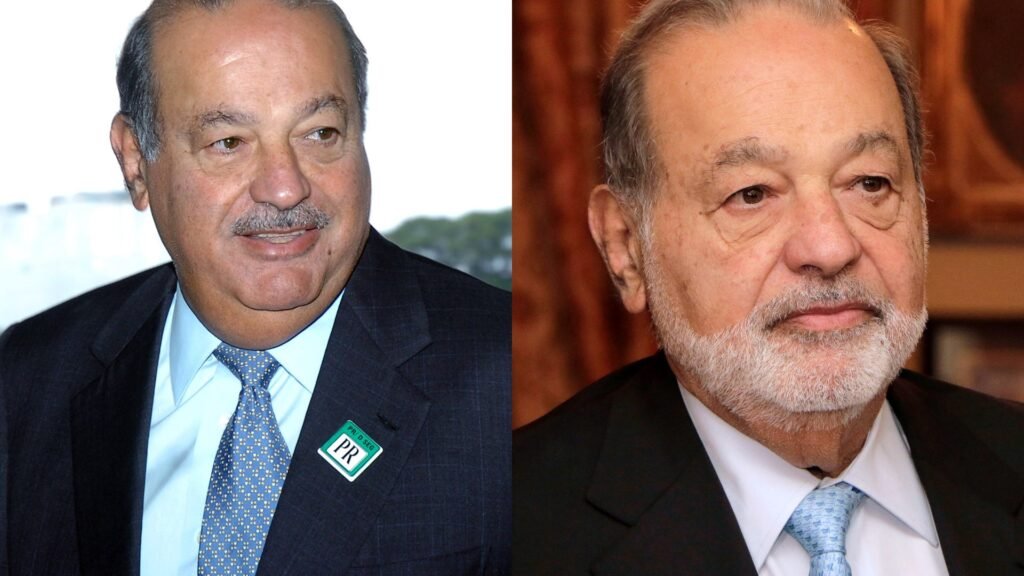
He bought Mexico during its worst crisis and became the richest man on Earth. 💰 Carlos Slim Helú — the telecom titan worth $102 billion — went from the son of Lebanese immigrants to beating Bill Gates and Warren Buffett for the world’s #1 spot. This is how he did it.
Carlos Slim Then 🌱
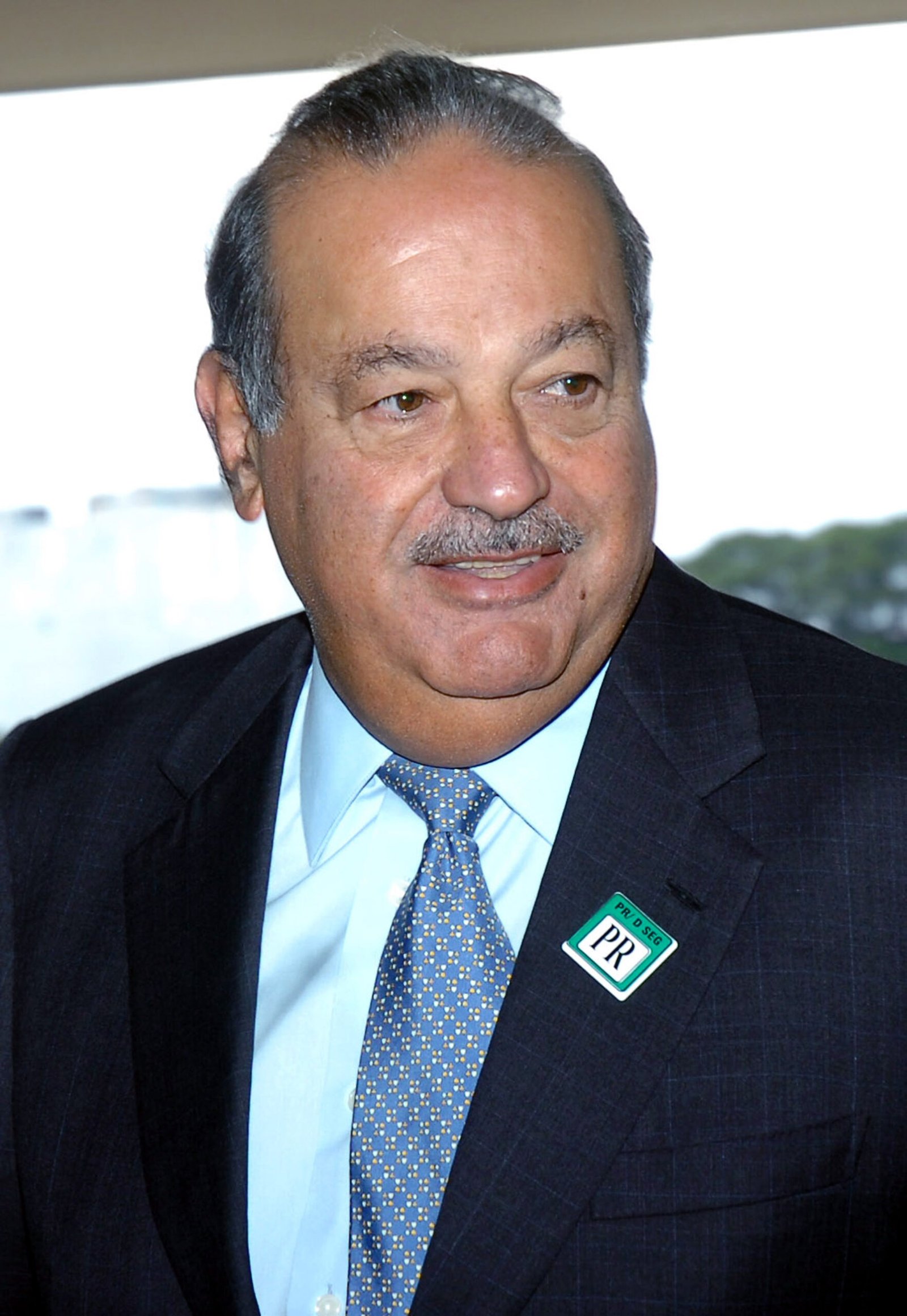
Carlos Slim Helú was born on January 28, 1940, in Mexico City. His father, Julián Slim Haddad, was a Lebanese immigrant who arrived in Mexico at 14 speaking no Spanish.
Julián built a dry goods store into a successful business. He taught young Carlos about money early — at 12, Carlos was already buying stocks with his savings.
Tragedy struck at 13. His father died suddenly. The boy who’d learned finance at his father’s knee had to grow up fast.
He studied civil engineering at Mexico’s National Autonomous University. He learned about structures, systems, and how things fit together.
But numbers were his real talent. After graduating, he became a stock trader. He had a natural feel for markets that couldn’t be taught.
He opened his own brokerage firm. Then he started buying companies — not just stocks, but whole businesses. His instinct was always the same: buy good assets cheap, fix them, grow them.
In the 1960s and 70s, he built his first empire. Manufacturing plants. Restaurants. Construction firms. Retail chains. Each acquisition taught him something new.
He launched Grupo Galas in 1976 as his holding company. Then expanded into mining, real estate, printing, tobacco, and food. He was diversifying before it was fashionable.
Then came 1982. Mexico plunged into its worst economic crisis in history. Explosive inflation topped 100%. The peso collapsed. Foreign debt was unpayable.
Total panic. Foreign investors sold everything at fire-sale prices and fled the country. The Mexican stock market crashed. Businesses went bankrupt daily.
While the world ran, Carlos Slim made the boldest bet of his life. He didn’t just hold — he bought. Aggressively.
He used every penny of liquidity to acquire collapsing Mexican companies. The country’s largest cigarette manufacturer. The biggest tire company. Major mining operations.
He was buying Mexico piece by piece — at the absolute bottom. Everyone thought he was crazy. He thought everyone else was wrong.
The Middle: Building the Empire 👑
In 1990 came the move that changed everything. Mexico’s government decided to privatize Telmex, the state-owned telephone monopoly.
Slim led a consortium to win the bid. The price was $1.76 billion — enormous at the time. Critics said he overpaid. They were wrong.
The deal included something priceless that most bidders undervalued: a nationwide cellular license covering all of Mexico. Cell phones were a novelty then. Slim saw what others missed.
He brought in Southwestern Bell as a partner. They sent a rising executive named Randall Stephenson (future AT&T CEO) to help modernize the company.
Stephenson expected Slim to copy the US model — $70 a month per subscriber. Slim refused. In poor Mexico, that would never work.
Instead, Slim priced service at $20 a month. Prepaid cards. No credit checks. Accessible to everyone. The model exploded across Latin America.
América Móvil was spun off and grew into a behemoth. Today it serves 300+ million subscribers across 18 countries. It’s one of the world’s largest mobile operators.
From 2010 to 2013, Carlos Slim was the richest person on Earth. Four straight years. He beat Bill Gates. He beat Warren Buffett. A Mexican engineer topped the global wealth ranking.
His empire spans 217 companies across 25 countries. Telecom. Banking. Construction. Mining. Retail. Energy. He controls about 6% of Mexico’s entire GDP.
He’s famous for personal austerity. No superyacht. No private island. No fleet of jets. He drives himself to work. He eats at the office cafeteria.
His office is modest. His suits are off the rack. For a man worth $100 billion, he lives like a middle manager — by choice.
Like Warren Buffett, he believes in buying when others are fearful and holding forever. Like David Rubenstein, he turned economic crisis into generational opportunity.
His business philosophy is simple: “When there’s blood in the streets, buy.” He proved it in 1982. He’s proved it in every downturn since.
Carlos Slim Now 📈
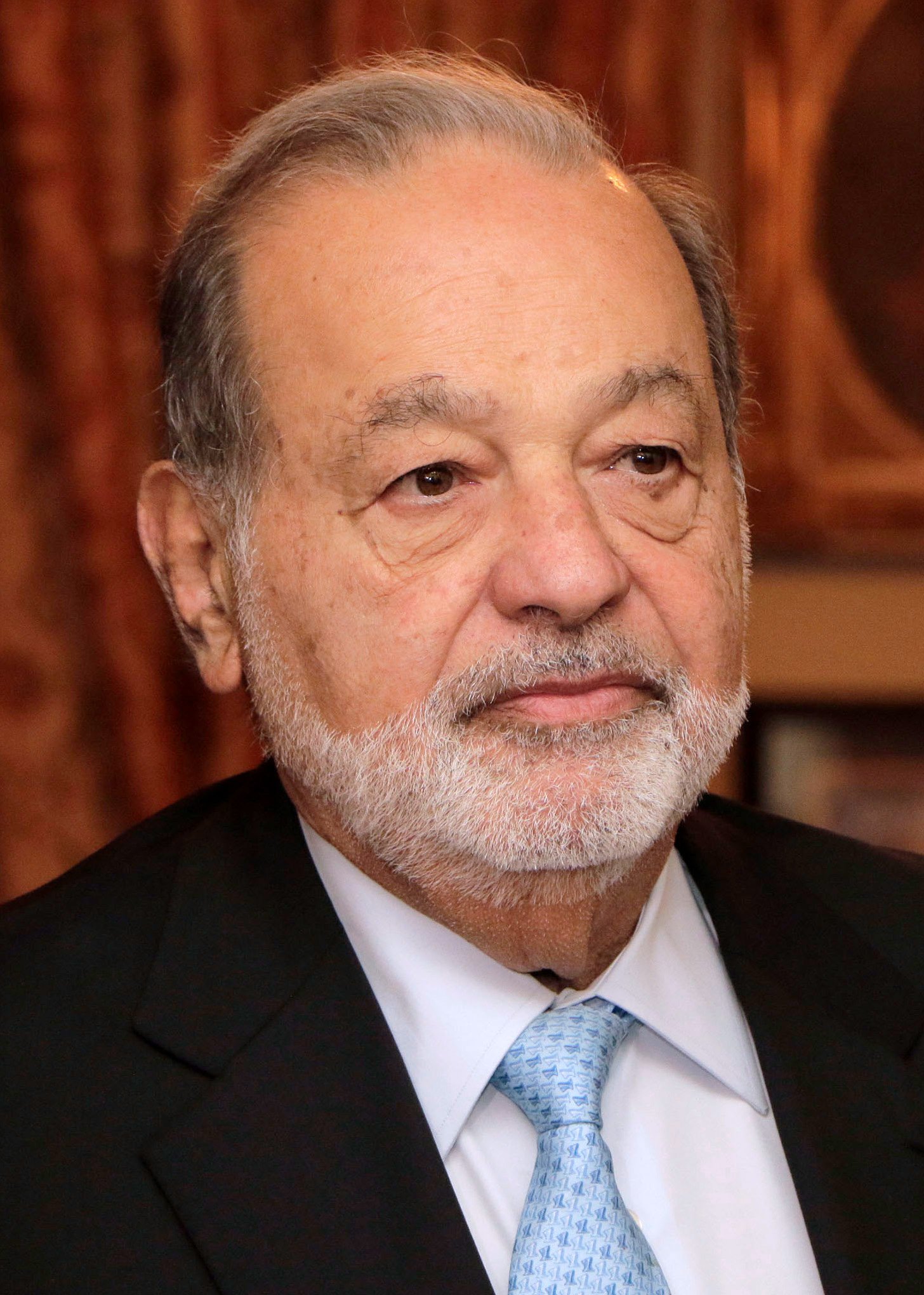
Today, Carlos Slim is 86 years old and worth around $102 billion. He’s Latin America’s richest person. Among the top 15 richest people on the planet.
He’s handed day-to-day operations to his six children. They run the various arms of the empire. But he remains chairman — the patriarch, the strategist, the final word.
His philanthropy focuses on Mexico. Health clinics. Education programs. Sports facilities. Cultural institutions. He’s given billions through the Carlos Slim Foundation.
The Soumaya Museum in Mexico City is his most visible gift. Named for his late wife Soumaya (who died in 1999), it houses his massive art collection — Rodin sculptures, Mexican masters, European classics.
The museum is free to the public. Millions visit each year. It’s his way of giving culture back to the country that made him rich.
He still believes in Mexico with the same conviction he had in 1982. When others fled, he bought. When others doubted, he built. When others sold, he held.
Four decades later, that contrarian bet is worth $100 billion. The boy who bought stocks at 12 became the man who bought a country at its lowest moment.
From a 13-year-old who lost his father to the richest man on Earth.
Carlos Slim didn’t inherit an empire. He bought one — at a discount — when everyone else was selling. And he never sold. 💪
Pingback: Gautam Adani Then and Now - Then & Now