A wrist brace is a joint support: a strap, a sleeve, a fitted brace or a splint frame built around stays, splints or pads that steadies the wrist while you press, swing, type, grip or climb. It is not the same thing as an elbow brace, a knee brace or an ankle brace — those support different joints, covered in our earlier guides — and it is not a wrist wrap, which is an elastic band wound around the wrist for a heavy press and nothing else, nor a wrist sleeve, which is compression only, with no stays, splints or pads to aim support anywhere in particular. A brace supports the wrist joint itself; a wrap only tightens around it for one lift, and a sleeve only squeezes it.
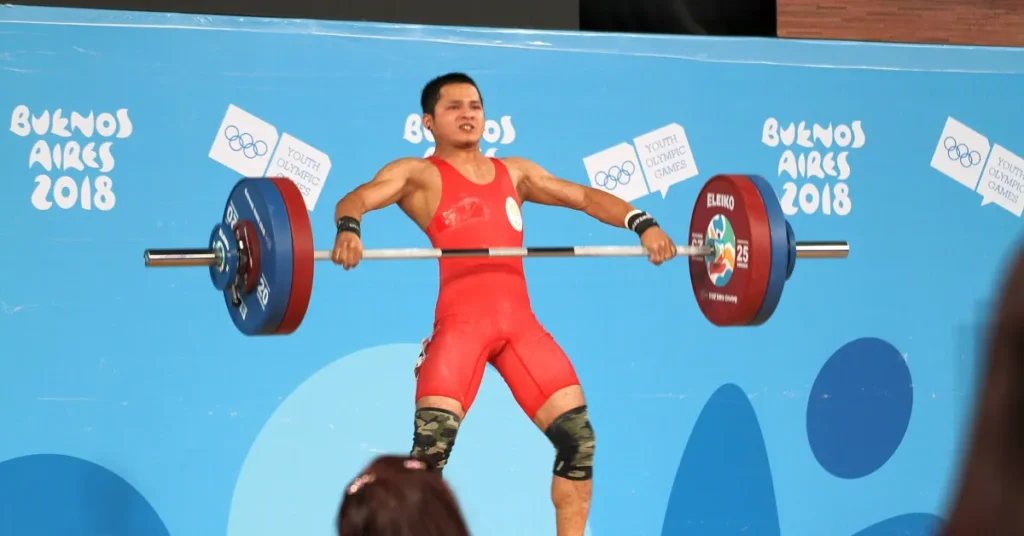
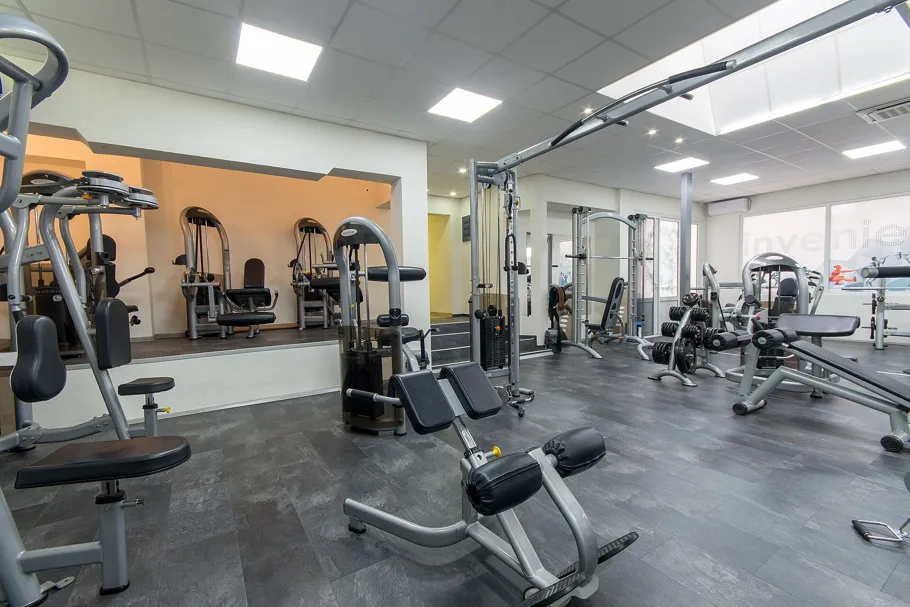
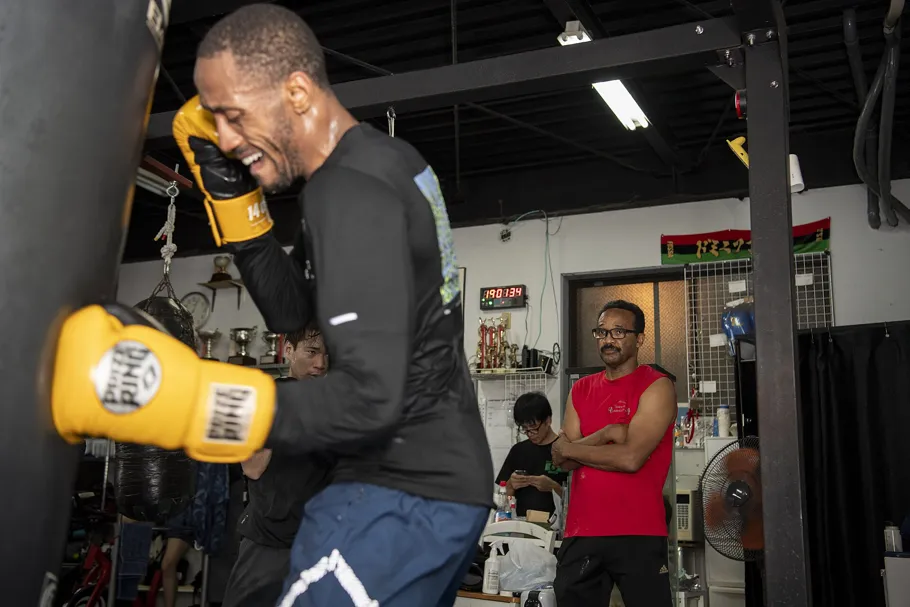
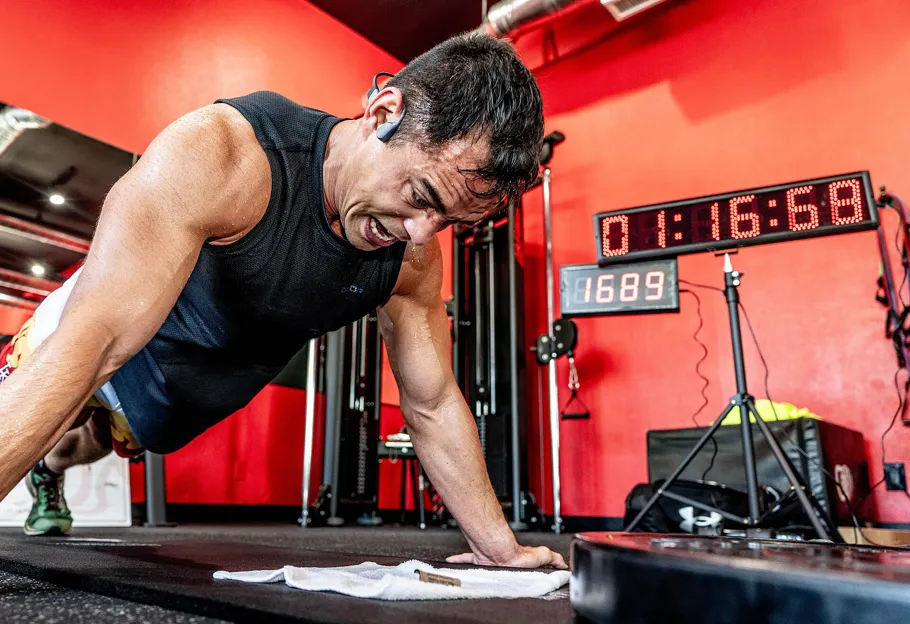
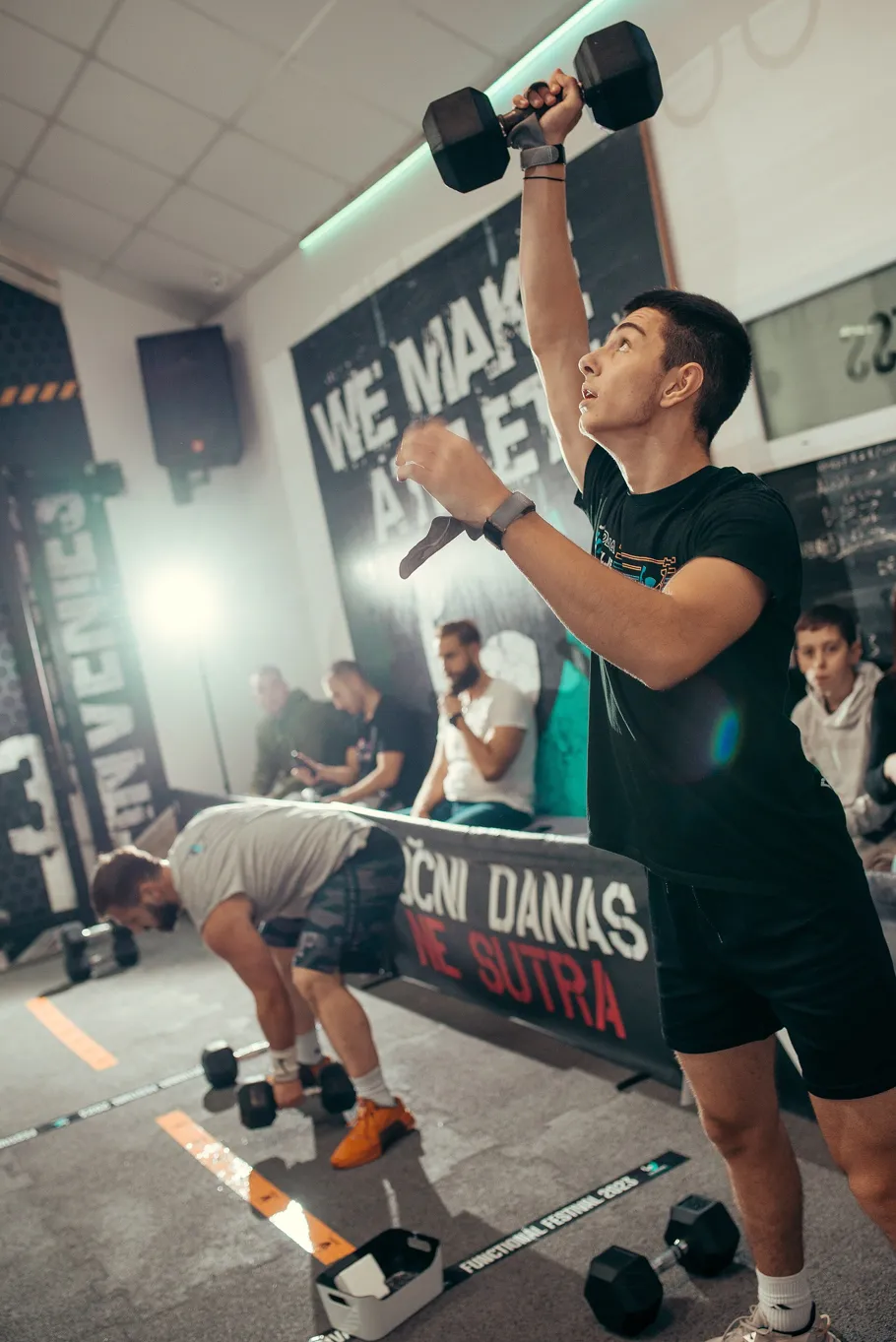
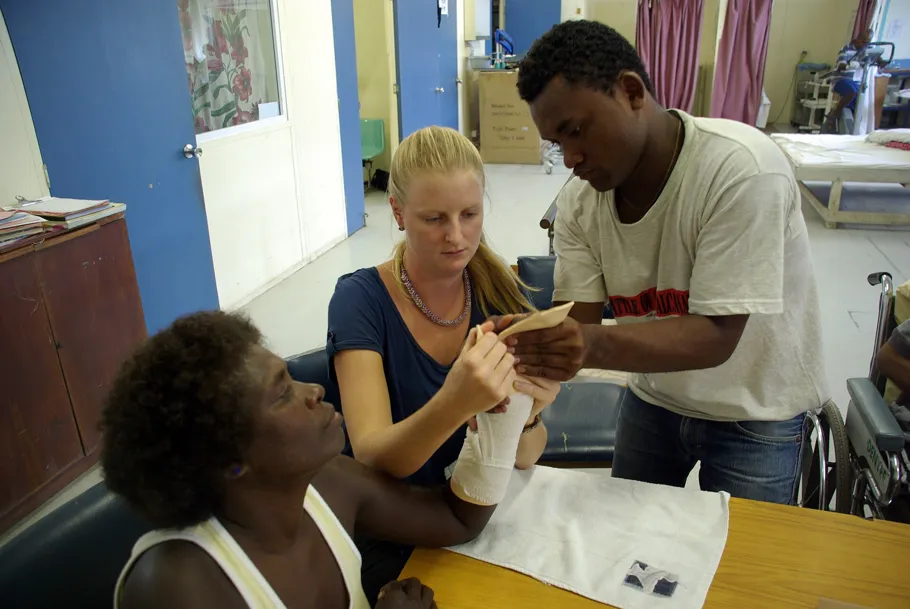
Every photo in this guide is an honest gym or sport scene, not a photo of the named product. The makers’ own product shots are not free to reuse, so each figure shows the kind of training the brace is bought for — pressing, boxing, tennis, golf, typing, push-ups and gym classes — and the caption says so plainly. No figure here should be read as a picture of the brace named above it.
One safety note runs through the whole guide. A brace is general training support, not treatment. It does not fix pain, heal an injury or prevent one. If a wrist swells, cannot move properly, looks deformed, goes numb or tingles, or hurts after a recent injury, talk to a clinician before training through it, and stop if a brace makes anything worse. The sizing and fit notes below are general information only — always check the listing’s own size chart before ordering.
If you are building out the kit around your training, this guide follows our best elbow braces for home gyms guide: elbows and wrists are the two joints most pressing sessions end up supporting, and the braces below cover the wrist half of that pair.
⚡ Quick Picks
Short on time? Here is the whole guide in six lines. For striking days, the gloves in our best MMA gloves for home gyms guide pair with the same home-gym routine.
- 1. McDavid 454R — Best Classic: the Level 3 adjustable strap standard, with hook-and-loop closures and an open palm.
- 2. Bauerfeind ManuTrain — Best Knit: a pull-on knit support with gel pads, an inner stay and a strap.
- 3. Mueller Fitted Wrist Brace — Best Fitted: a shaped brace with metal stays, made for one hand at a time.
- 4. Futuro Deluxe Wrist Stabilizer — Best Maximum Support: three stabilisers and a foam palm pad, with a longer forearm length.
- 5. DonJoy ComfortFORM — Best Ventilated: removable stays plus a top vent for airflow.
- 6. FREETOO Wrist Brace — Best Splint: three stays around a shaped metal splint, with three size bands.
1. 🏋️ McDavid 454R — Best Classic
Specs: Level 3 adjustable wrist brace; fully adjustable hook-and-loop closures; open-palm design for full hand and finger movement; anatomically specific — 454R is the right-wrist version, 454L the left; Advanced support level.
The McDavid 454R is the classic of this guide — the adjustable strap brace most people picture when they hear “wrist brace”. Hook-and-loop closures let you set the compression yourself: tighter for firm support during activity, looser for gentle comfort during rest. The open palm keeps the hand and fingers free, so the brace steadies the wrist without taking the hand out of the session.
The side question is the part worth understanding. The 454 is not a fits-either design — 454R is shaped for the right wrist and 454L for the left, and ordering the wrong side means the brace sits wrong on the joint. It is the same trap as the fitted and knit picks below, and it is flagged again in the flag paragraph because it is the single most common checkout mistake in this category.
Pros:
- The classic adjustable shape — simple, easy to fit mid-session.
- Open palm keeps the hand and fingers fully usable.
- Compression adjusts from light to firm with the same closures.
Cons:
- Side-specific — the wrong side at checkout is a return, not a fit.
- Strap only, so full-joint coverage is below the stabiliser and splint picks here.
- No numbered sizes — fit depends entirely on the closures.
Who it’s for: lifters and players who want the classic adjustable wrist strap and don’t mind checking the side before ordering.
⚠️ Flag — 454R is right, 454L is left: the R and L suffixes are the side, not a size or a version. Confirm the listing says 454R for a right wrist or 454L for a left wrist before ordering.
⚠️ Flag — 454, not 451 or the wrist wrap: McDavid also sells the 451, a Level 1 light support, and a wrist wrap that fits either wrist. Both are different products — confirm the listing says 454R or 454L, Level 3, before ordering.
👉 Check McDavid 454R on Amazon
2. 🧦 Bauerfeind ManuTrain — Best Knit

Specs: 3D Train active knit support with viscoelastic gel pads; inner stay and elastic strap for stability; removable support splint per the maker’s own page; breathable compression knit; left or right versions; numbered sizes by wrist circumference (match against the listing’s own chart — see the flag below).
The Bauerfeind ManuTrain is the only knit pick in this guide, and it feels completely different from the straps and splints around it. It is a pull-on knit support with soft gel pads that sit over the wrist, an inner stay that steadies the joint, and an elastic strap that adds stability. There are no bulky shells to set — you pull it on like a sleeve and train.
The pads are the part worth understanding. The viscoelastic pads are placed to take pressure off the nerves and blood vessels around the wrist while the knit compresses the joint, and the stay and strap add stability on top of that compression. Because the support is shaped for one wrist, the side question matters more here than for any strap in this guide, flagged below.
Pros:
- Simple to live with — pull it on, no shells or hinges to set.
- Gel pads cushion the wrist instead of pressing flat on it.
- Breathable knit that stays comfortable for long wear.
Cons:
- No rigid splint by default, so maximum support is below the Futuro and FREETOO here.
- Side-specific — the wrong side at checkout is a return, not a fit.
- Numbered sizing needs the listing’s own chart (see the flag below).
Who it’s for: tennis and golf players who want the lightest, simplest wrist support with pads, and are happy without a rigid splint.
⚠️ Flag — left or right, and check the chart: the ManuTrain is sold in left and right versions with numbered sizes by wrist circumference. One buyer review describes size 2 fitting the wrist better while feeling tight around the hand, and size 3 feeling loose at the wrist — printed as one buyer’s experience, not a sizing rule. Measure your wrist and match it against the ManuTrain listing’s own chart; do not borrow another Bauerfeind model’s chart.
⚠️ Flag — ManuTrain, not ManuLoc: Bauerfeind also sells the ManuLoc, a rigid brace with malleable aluminium struts that immobilises the wrist. That is a different, stiffer product — confirm the listing says ManuTrain before ordering.
👉 Check Bauerfeind ManuTrain on Amazon
3. 🎗️ Mueller Fitted Wrist Brace — Best Fitted

Specs: Fitted brace with metal stays; breathable, moisture-wicking fabric; adjustable straps to customise the fit; extra padding on the inner wrist; left or right versions; sizes SM/MED and L/XL.
The Mueller Fitted Wrist Brace is the fitted pick — shaped for one wrist, with metal stays that hold the joint steady and a breathable fabric that keeps sweat down through a long day. It is the pick for a buyer who wants a brace that feels made for their wrist rather than wrapped around it, whether the day is training, typing or both.
The stays are the part worth understanding. Metal stays run along the brace to keep the wrist securely supported while the adjustable straps set the compression, and the extra inner-wrist padding protects the side of the joint that takes the most contact. Because the brace is fitted for one hand, the side question matters here exactly as it does for the McDavid and Bauerfeind picks, flagged below.
Pros:
- Shaped fit with metal stays — the most structured non-splint brace here.
- Breathable, moisture-wicking fabric for long wear.
- Adjustable straps let you fine-tune compression through the day.
Cons:
- Side-specific — the wrong side at checkout is a return, not a fit.
- Size bands run small for some buyers (see the flag below).
- Not a splint brace — maximum rigidity is below the Futuro and FREETOO here.
Who it’s for: anyone who wants a shaped, breathable everyday wrist brace and is happy choosing a side and a size band.
⚠️ Flag — L/XL runs small for some buyers: buyer reviews report that the L/XL band fits small — one buyer with an 8-inch wrist found the tabs barely reaching the hook-and-loop on the L/XL. If you sit near the top of a size band, read the listing’s reviews for that exact size before ordering, and measure rather than guessing.
⚠️ Flag — Fitted, not the Adjustable Stabilizer or the Reversible brace: Mueller also sells the Adjustable Carpal Tunnel Wrist Stabilizer, with rigid steel splints and its own two-size chart, and the Green Reversible Wrist Brace, a one-size design that fits either hand. Both are different products — confirm the listing says Fitted Wrist Brace, with a left or right version, before ordering.
👉 Check Mueller Fitted Wrist Brace on Amazon
4. 🛡️ Futuro Deluxe Wrist Stabilizer — Best Maximum Support

Specs: Three stabilisers — a palm stabiliser plus two dorsal stabilisers; memory foam pad in the palm; three-strap design; longer length on the forearm for maximum support; Easy-Sleeve design; sizes S/M and L/XL, left or right versions (see the size flag below).
The Futuro Deluxe Wrist Stabilizer is the maximum-support pick of this guide. Three stabilisers hold the wrist — one in the palm, two across the back of the hand — while a memory foam pad in the palm moulds to the hand and three straps set the fit. The longer forearm length spreads support further up the arm than any other pick here, which is the whole point of a stabilizer rather than a strap.
The stabilisers are the part worth understanding. The palm stabiliser can be shaped for a custom fit, and the two dorsal stabilisers add support across the back of the hand, so the wrist is held from both sides instead of squeezed from one. The trade is bulk and fit sensitivity: a longer, stiffer brace fits fewer hands comfortably, which is why the size flags below matter more here than for any strap in this guide.
Pros:
- Three stabilisers give the heaviest build here.
- Memory foam palm pad moulds to the hand for comfort.
- Longer forearm length spreads support beyond the wrist itself.
Cons:
- The bulkiest brace here — overkill for light gym days.
- Small-hand fit is reported as a problem (see the flag below).
- Size records conflict (see the flag below).
Who it’s for: players and workers who want the most structured wrist support this guide offers and accept the bulk that comes with it.
⚠️ Flag — size records conflict: listings sell the Deluxe Stabilizer in S/M and L/XL bands, while at least one maker support answer describes a one-size adjustable version fitting wrists from 5.5 to 9 inches. The two cannot both describe the same offer — check whether the listing you order sells sized bands or a one-size version before checkout.
⚠️ Flag — small hands beware: buyer reviews report gaps at the thumb cutout and digging at the top of the hand on smaller hands, even on the adjustable version. If your hand is small, read the listing’s reviews for that exact size before ordering rather than trusting the size band alone.
⚠️ Flag — Deluxe, not the other Futuro wrist supports: Futuro also sells the Comfort Stabilizing Wrist Brace, the Sport Wrist Support, the Performance Comfort Wrist Support and the Wrist Support Strap. All are lighter, different products — confirm the listing says Deluxe Wrist Stabilizer before ordering.
👉 Check Futuro Deluxe Wrist Stabilizer on Amazon
5. 💨 DonJoy ComfortFORM — Best Ventilated

Specs: Removable stays for adjustable stability; top vent for air circulation; moisture-wicking, sweat-removing build; smaller horizontal stays across the top for extra stability; flexible fit that can be worn with the stays removed for lighter support.
The DonJoy ComfortFORM is the ventilated pick — the brace for a buyer whose main complaint about wrist braces is heat. A vent at the top lets air circulate around the wrist, the fabric wicks moisture away, and the stays can come out when the wrist needs less structure, turning a firm brace into a light one without buying a second product.
The removable stays are the part worth understanding. With the stays in, the brace holds the wrist firmly; with them out, it becomes a flexible support for lighter days. Smaller horizontal stays across the top add stability even when the main stays are removed, so the brace never becomes a plain sleeve — it keeps some structure at every setting.
Pros:
- Top vent and wicking fabric keep it cooler than the solid picks here.
- Removable stays give two support levels in one brace.
- Flexible enough to wear through a full session without fuss.
Cons:
- One roundup rates its compression below the Mueller fitted brace — printed as that roundup’s comparison, not a finding.
- Stays must be kept track of once removed, or the firm setting is lost.
- Ventilation helps heat, not fit — sizing still needs the listing’s chart.
Who it’s for: players who sweat through braces and want airflow plus a firm-to-light switch in one product.
⚠️ Flag — ComfortFORM, not the Quick-Fit brace: DonJoy also sells the Quick-Fit felt and nylon universal wrist and forearm brace, a different design. Confirm the listing says ComfortFORM before ordering.
⚠️ Flag — check the listing’s own size basis: the records checked for this guide did not settle the ComfortFORM’s own size chart. Do not borrow another DonJoy model’s chart — match your wrist measurement against the ComfortFORM listing’s own chart before ordering.
👉 Check DonJoy ComfortFORM on Amazon
6. 🎯 FREETOO Wrist Brace — Best Splint
Specs: Three stays around an anatomically shaped metal splint; adjustable straps for a custom fit; breathable mesh in polyester and nylon with a soft inner lining; left or right versions; sizes S at 5–5.9 inches, M at 5.9–7.5 inches and L at 7.5–10.2 inches of wrist circumference per the maker’s manual (see the size flag below).
The FREETOO Wrist Brace is the splint pick. A shaped metal splint runs along the wrist, three stays hold it in place, and adjustable straps set the compression — a straightforward, rigid design for a buyer who wants the wrist held, not just squeezed. The breathable mesh and soft inner lining keep it wearable for long sessions, and the strap order in the manual runs from the finger-side strap to the wrist strap to the forearm strap.
The splint is the part worth understanding. A splint holds the wrist in a neutral position, which is firmer than any strap or knit in this guide and the reason a splint brace suits wrists that need holding still rather than just support. The trade is that a rigid splint fits fewer activities comfortably — typing and light training suit it better than heavy gripping, where a wrap or a strap gets out of the way faster.
Pros:
- Shaped metal splint gives firm, neutral wrist support.
- Three size bands by wrist circumference, not one-size guesswork.
- Breathable mesh with a soft lining for long wear.
Cons:
- Rigid splint suits fewer activities than a strap or knit.
- Size charts vary by listing (see the flag below).
- One durability report: the palm’s synthetic-leather layer wearing with daily friction — printed as a report, not a finding.
Who it’s for: anyone who wants a firm splint brace with real size bands, for training, typing and daily wear rather than heavy gripping.
⚠️ Flag — size charts vary by listing: the maker’s manual gives S at 5–5.9 inches, M at 5.9–7.5 inches and L at 7.5–10.2 inches, while at least one listing describes an S/M band at 5.1–7.1 inches. The two cannot both be the same size system — measure your wrist and match it against the listing’s own chart, not the manual’s, for the version you actually order.
⚠️ Flag — FREETOO, not a generic three-stay brace: several no-name braces copy the three-stay shape. Confirm the listing says FREETOO and shows the FT060 model before ordering, so the size bands above actually apply.
👉 Check FREETOO Wrist Brace on Amazon
📊 Comparison Table
| Pick | Best for | Support type | Sizes | Standout |
| McDavid 454R | Classic | Strap, hook-and-loop | Right or left, no bands | Level 3, open palm |
| Bauerfeind ManuTrain | Knit | Knit support, gel pads | Numbered, by circumference | Pull-on, breathable knit |
| Mueller Fitted | Fitted | Fitted brace, metal stays | SM/MED + L/XL | Shaped, moisture-wicking |
| Futuro Deluxe | Maximum support | Stabilizer, three stabilisers | S/M + L/XL (see flag) | Foam palm pad, long forearm |
| DonJoy ComfortFORM | Ventilated | Brace, removable stays | See listing chart | Top vent, two support levels |
| FREETOO | Splint | Splint brace, three stays | S + M + L by circumference | Shaped metal splint |
The table is honest about its limits. Sizes are not directly comparable across brands — the McDavid row has no size bands at all, the Bauerfeind row uses numbered sizes by circumference, the Mueller and Futuro rows use two bands each, the DonJoy row carries no settled chart at all, and the FREETOO row uses three bands by circumference — so the table shows the headline basis and the flags in each section carry the detail. No weight column appears because no maker here publishes a brace weight consistently, and guessing them would mislead. The second column is this guide’s verdict, not the makers’ own claims.
Also considered, without links: the McDavid 451 and McDavid wrist wrap, the Bauerfeind ManuLoc, the Mueller Adjustable Carpal Tunnel Wrist Stabilizer and Green Reversible Wrist Brace, the Futuro Comfort Stabilizing Wrist Brace, Sport Wrist Support, Performance Comfort Wrist Support and Wrist Support Strap, and the DonJoy Quick-Fit wrist and forearm brace. Each was left out because it duplicates a pick here under a confusingly similar name — check the flags above before ordering any of them by mistake.
🧭 How to Choose the Right Wrist Brace
Start with the support type, not the brand. A strap suits adjustable compression for general training. A knit support suits everyday wear with pads and no settings. A fitted brace suits a shaped, breathable fit for one wrist. A stabilizer suits players who want the most structure across the wrist and forearm. A ventilated brace suits anyone who sweats through solid braces. A splint brace suits wrists that need holding in a neutral position. Buying more structure than your training needs usually means a brace that stays in the drawer.
Then measure — twice, and against the listing’s own chart. This guide’s running theme is that charts disagree: the Futuro’s size system conflicts between listings, the FREETOO’s bands vary by listing, the Mueller’s L/XL runs small for some buyers, the ManuTrain’s numbers belong to that model alone, and the DonJoy’s chart never settled in the records checked. A tape measure and five minutes beat a return every time. If you sit between sizes, read the listing’s guidance for that exact model rather than carrying a size over from another brand.
Match the brace to the sport. Pressing loads the wrist under weight — our best adjustable dumbbells guide covers the pressing kit wrists work against. Racket sports load it through repeated swings, golf through the swing’s finish, typing through hours at a keyboard, and push-ups through flat, loaded wrists. The brace that fits a tennis session is not automatically the brace for a typing day.
Check the single-versus-pair and left-versus-right details before checkout. Each pick here is sold as a single brace, so two wrists means two orders. The McDavid, Bauerfeind, Mueller, Futuro and FREETOO picks all ask for a side — only the DonJoy’s records checked do not settle a side question — so check the listing page, not this guide, for the final word. Washability matters too: a knit support goes in the wash more easily than a splint brace with a metal insert, and a brace that cannot be kept fresh will not stay in rotation.
If your home gym includes sparring or grappling, the rest of the protective kit matters alongside the brace — our best groin guards for home gyms guide and our best mouthguards for home gyms guide cover the other two pieces most people forget until they need them.
❓ Frequently Asked Questions
Can a wrist brace fix wrist pain?
No — and any guide that says otherwise is overselling. A brace supports the joint while you train; it does not heal an injury, repair a tendon or cure a condition. Pain that is new, sharp, swelling, stopping you moving the wrist, going numb or tingling, or following a recent injury deserves a clinician’s eyes before any brace is bought. Use a brace for support during training, not as a substitute for advice.
What is the difference between a brace, a wrap and a sleeve?
A brace is a structured support built around stays, splints or pads that steadies the wrist joint. A wrap is an elastic band wound around the wrist for a heavy press and nothing else — it tightens for one lift, then comes off. A sleeve is a knit or neoprene tube that compresses the wrist without aiming support anywhere in particular. They solve different problems — buying a sleeve when you need a splint, or a wrap when you need all-day support, is the most common mistake in this category.
How do I measure for a wrist brace?
Measure exactly where the listing for that model tells you to — and that is the catch, because listings disagree. Some size by wrist circumference in inches, some by numbered sizes, some by bands, and the same model can carry different charts by source. Take your wrist measurement, then match it against the specific listing’s own chart. Never carry a size across brands.
Can I wear a wrist brace all day, or while sleeping?
Most of these braces are made for activity, not all-day wear — check the listing for the model you buy. A strap or splint worn for hours can chafe or cut circulation, and sleeping in a rigid brace is rarely advised by makers. If a wrist needs support all day, that is a clinician conversation, not a product choice.
Do I need one brace or a pair?
It depends on the listing, but each pick here is sold as a single brace, so two wrists means two orders. The McDavid, Bauerfeind, Mueller, Futuro and FREETOO picks all ask for a side, while the DonJoy’s records checked do not settle a side question — so check the listing page before checkout rather than assuming.
What else helps a home gym beyond a wrist brace?
Recovery kit rounds out the setup — our best foam rollers for home gyms guide covers the roller most home gyms start with. Keep the same honesty rule: a roller, like a brace, is training support, not treatment, and a wrist that keeps hurting still deserves a clinician first.
Thanks for reading — if this guide helped you pick, the links above support the site at no extra cost to you.
Disclosure: As an Amazon Associate, we earn from qualifying purchases made through links on this page, at no extra cost to you. Product details and availability should be checked on the listing page before ordering.
Pingback: Best Shoulder Braces for Home Gyms (2026)