An elbow brace is a joint support: a strap, a sleeve, a band or a hinged frame built around pads, stays or hinges that steadies the elbow while you press, swing, throw, grip or climb. It is not the same thing as a knee brace or an ankle brace — those support different joints, covered in our earlier guides — and it is not an elbow sleeve, which is compression only, with no pads, stays or hinges to aim support anywhere in particular. A brace supports the elbow joint itself; a sleeve only squeezes it.
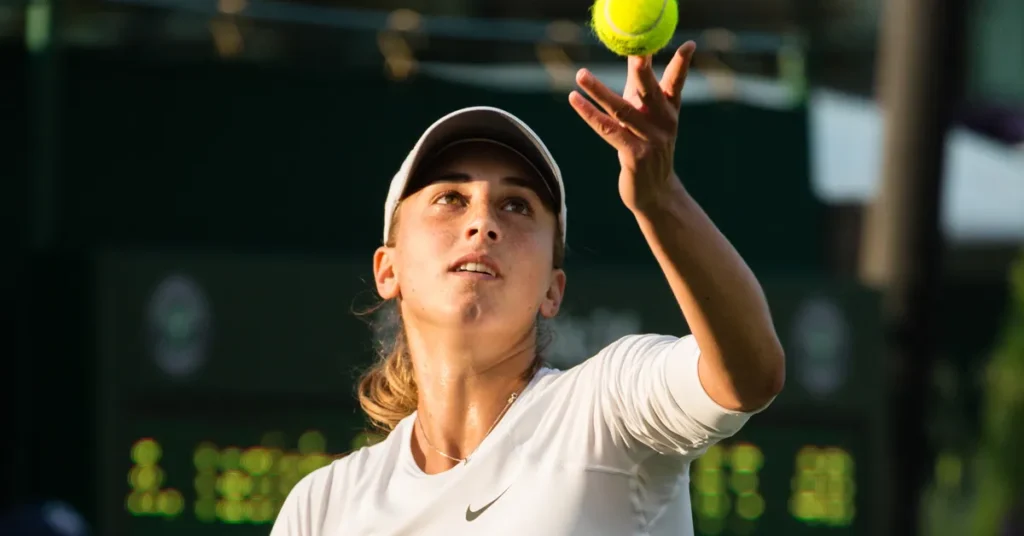
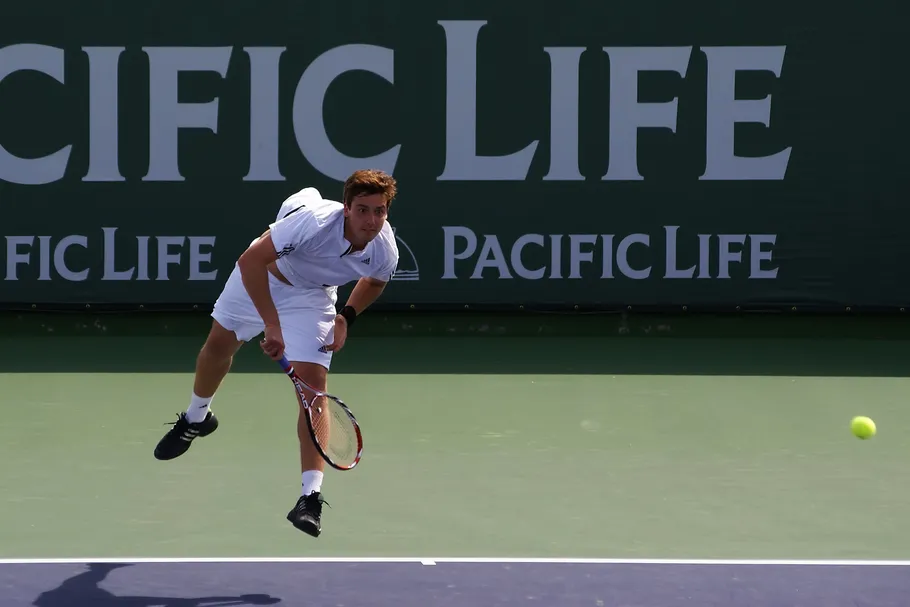
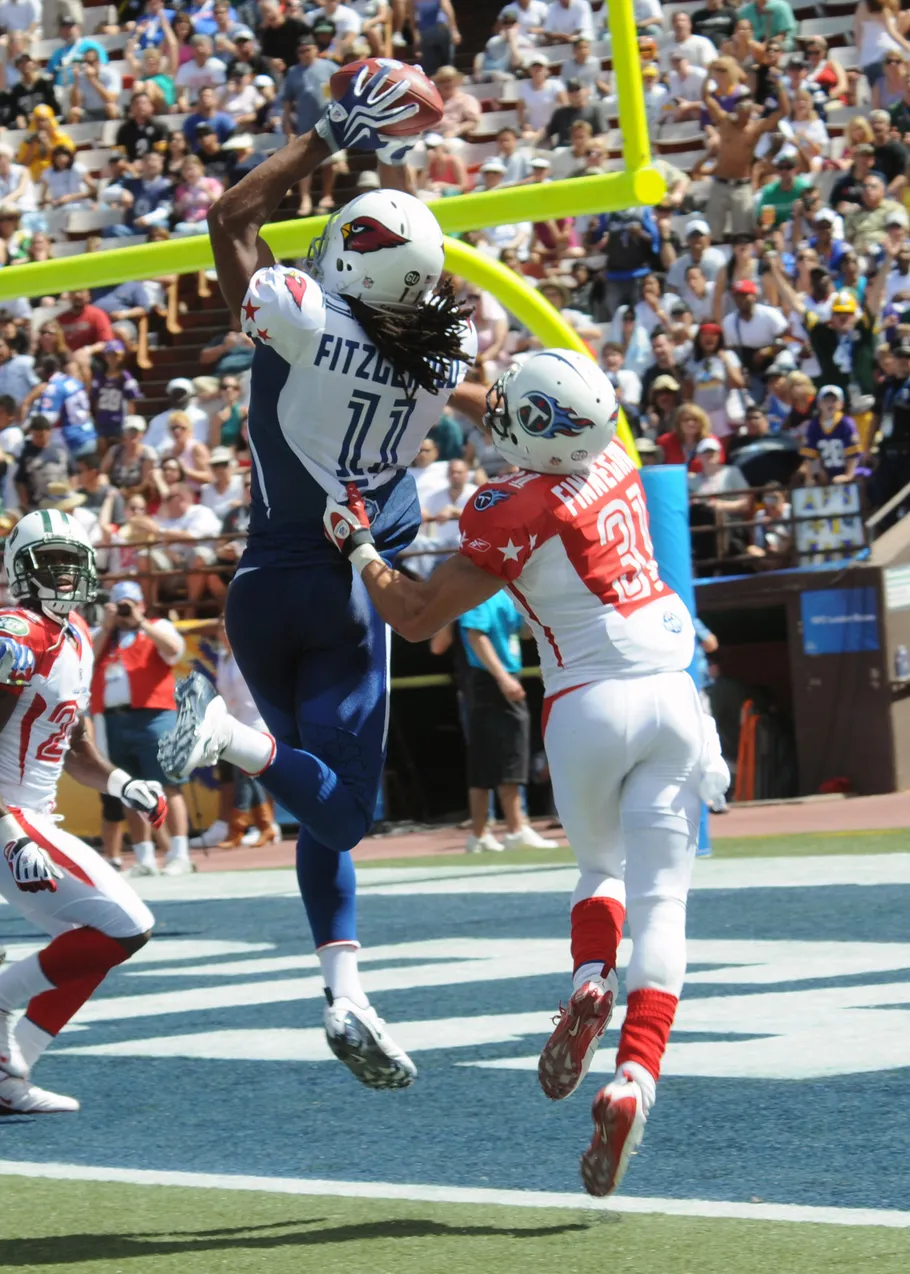
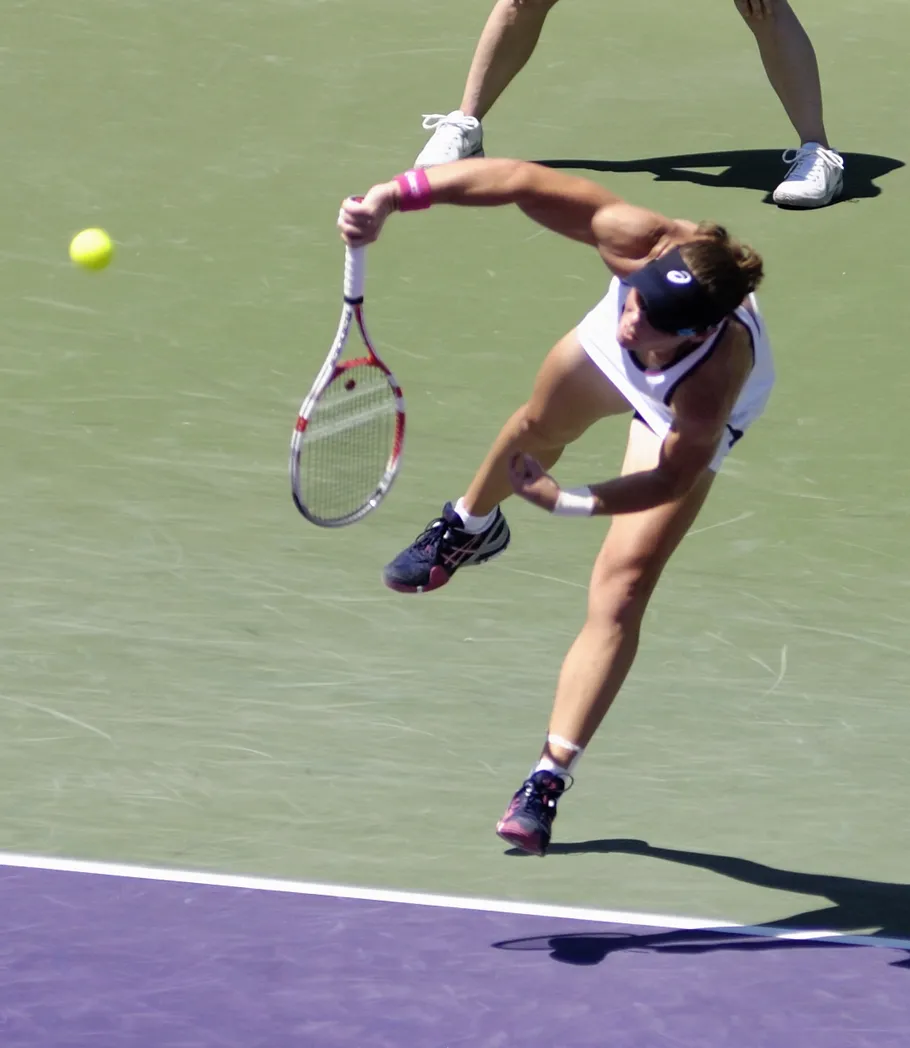
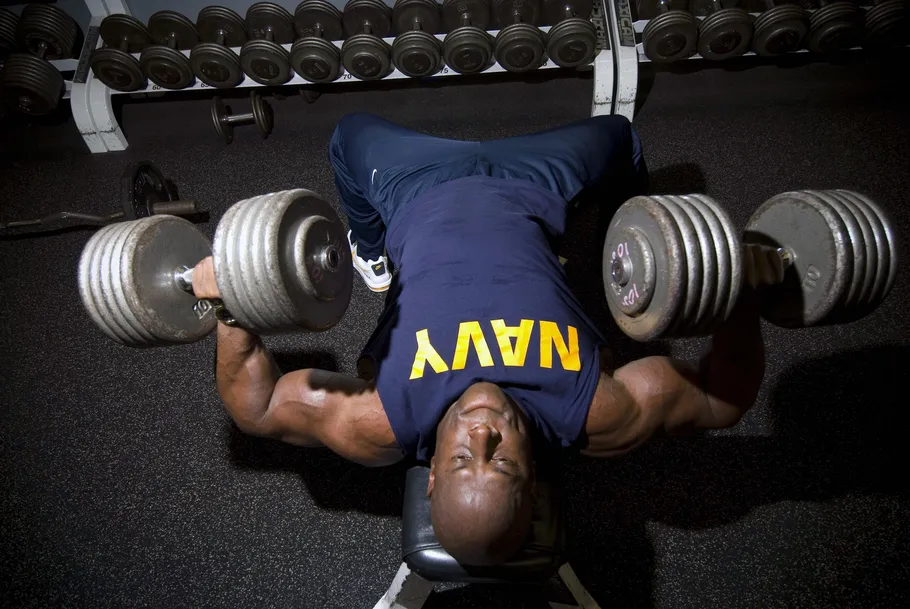
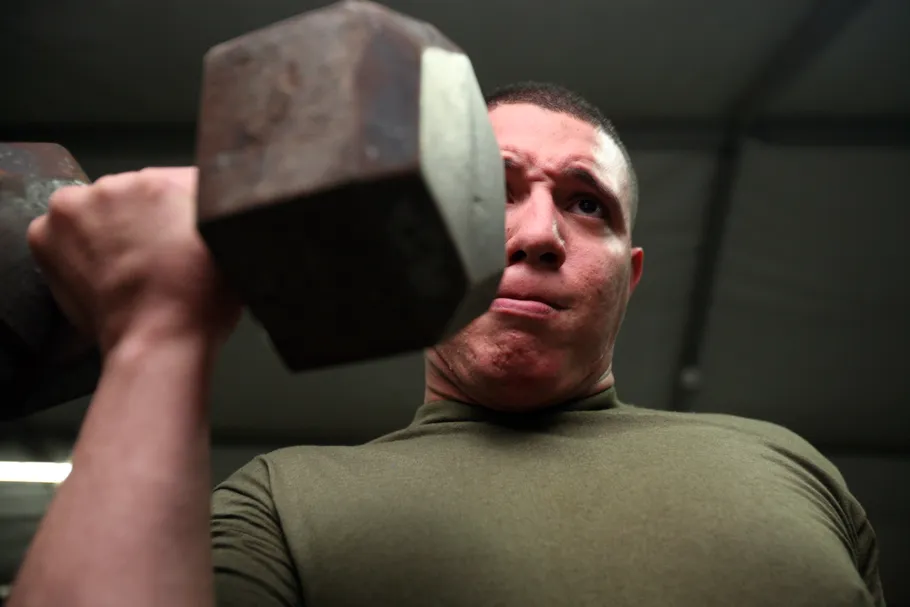
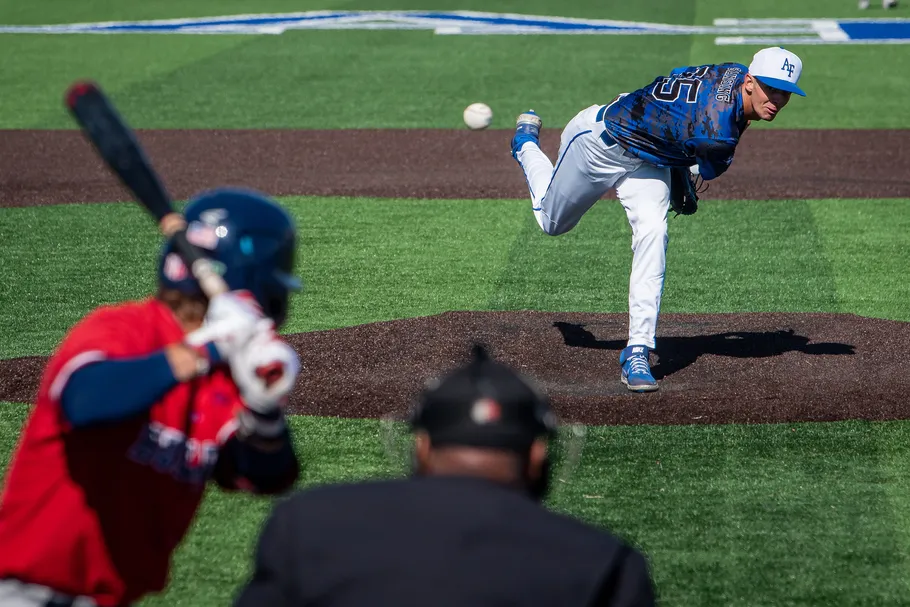
Every photo in this guide is an honest gym or sport scene, not a photo of the named product. The makers’ own product shots are not free to reuse, so each figure shows the kind of training the brace is bought for — tennis, golf, football, pressing, climbing and throwing — and the caption says so plainly. No figure here should be read as a picture of the brace named above it.
One safety note runs through the whole guide. A brace is general training support, not treatment. It does not fix pain, heal an injury or prevent one. If an elbow swells, cannot move properly, looks deformed, goes numb, or hurts after a recent injury, talk to a clinician before training through it, and stop if a brace makes anything worse. The sizing and fit notes below are general information only — always check the listing’s own size chart before ordering.
If you are building out the kit around your training, this guide follows our best ankle braces for home gyms guide: knees, ankles and elbows are the three joints most home gyms end up supporting, and the braces below cover the elbow third of that set.
⚡ Quick Picks
Short on time? Here is the whole guide in six lines. For striking days, the gloves in our best MMA gloves for home gyms guide pair with the same home-gym routine.
- 1. McDavid 489 Elbow Strap — Best Classic: the counterforce strap standard, with dual pads and a Level 2 rating.
- 2. Bauerfeind EpiTrain — Best Knit: a pull-on knit sleeve with pads over both sides of the elbow.
- 3. Zamst Elbow Band — Best Band: a light open-panel band with a pressure pad that sits inner or outer.
- 4. DonJoy Performance Bionic Elbow Brace II — Best Maximum Support: hinged frame with X-straps, the heaviest build here.
- 5. Shock Doctor 828 Tennis Elbow Support Strap — Best Air-Cushion: an air cushion that spreads pressure evenly.
- 6. Mueller Hg80 Premium Tennis Elbow Support — Best Adjustable Pad: a gel pad you aim at the exact sore spot.
1. 🏋️ McDavid 489 Elbow Strap — Best Classic
Specs: Counterforce strap with dual Sorbothane pads; latex-free neoprene; hook-and-loop closure; Protection Level 2; fits either arm; sizes by forearm (records conflict — see the flag below).
The McDavid 489 is the brace most people picture when they hear “tennis elbow strap”: a single band worn on the forearm just below the elbow, with two pads that press on the tendons where they meet the joint. It is the classic of this guide — no sleeve, no hinge, just a strap and pads that redirect force away from the sore spot.
The pads are the part worth understanding. A counterforce strap does not cover the elbow itself — it sits below it, on the forearm, and the pads press the tendons there so less force reaches the elbow with each swing, press or grip. Put the strap on the elbow itself and it does the wrong job in the wrong place, which is why pad position gets its own flag below.
Pros:
- The classic counterforce shape — simple, adjustable, easy to fit mid-session.
- Dual pads give targeted pressure instead of squeezing the whole arm.
- One version fits either arm, so no left-or-right mistake at checkout.
Cons:
- Pad position takes practice — pressure in the wrong spot helps nothing.
- Size records conflict (see the flag below).
- Strap only, so full-joint coverage is below the knit and hinged picks here.
Who it’s for: racket players and lifters who want the classic counterforce strap and don’t mind taking a minute to set the pads right.
⚠️ Flag — 489, not 489R: model numbers ending in 489R describe a different version of the 489 family. Confirm the listing says plain 489 before ordering.
⚠️ Flag — size records conflict: sources disagree on the 489’s own sizing: one roundup describes three sizes, while another gives four sizes spanning roughly 10 to 16.5 inches of forearm. The two cannot both be the 489’s chart, so measure your forearm and match it against the listing’s own chart, not a chart from another source.
⚠️ Flag — pads sit below the elbow: the pads press on the forearm just below the elbow, not on the elbow bone itself. If a listing photo shows the strap wrapped over the elbow joint, it is fitted wrong, not a different model.
2. 🧦 Bauerfeind EpiTrain — Best Knit

Specs: 3D Train active knit sleeve with two viscoelastic Epicon+ pads with epicondyle cut-outs; firmer zones with frictional nubs; softer breathable zone at the elbow crease; machine-washable; sizes 0–6 by arm circumference (match against the listing’s own chart — see the flag below).
The Bauerfeind EpiTrain is the only knit pick in this guide, and it feels completely different from the straps and the hinged brace around it. It is a pull-on sleeve in a three-dimensional knit, with two soft pads that sit over the inner and outer sides of the elbow. There are no straps to tighten and no hinges to set — you pull it on like a sleeve and train.
The pads are the part worth understanding. Each pad is shaped with a cut-out that sits over one side of the elbow, and the knit around them is firmer in some zones and stretchier in others, so the sleeve stays put without cutting in. Because the pads are placed for specific sides of the joint, the side question matters more here than for any strap in this guide, flagged below.
Pros:
- Simple to live with — pull it on, no straps or hinges to set.
- Pads sit over both sides of the elbow instead of pressing flat on them.
- Breathable knit that goes in the wash, with no neoprene heat build-up.
Cons:
- No straps or hinges, so maximum support is below the DonJoy here.
- Side versions vary by listing (see the flag below).
- Size chart must not be borrowed from another Bauerfeind model.
Who it’s for: tennis and golf players who want the lightest, simplest elbow support with pads, and are happy without straps or a hinge.
⚠️ Flag — left or right varies by listing: some EpiTrain listings ask for a left or right version, while others sell one version for either arm. Confirm what the listing you order actually sells before checkout — a “one size fits either arm” listing and a side-specific listing are not describing the same offer.
⚠️ Flag — EpiTrain, not EpiPoint or Sports Elbow Support: Bauerfeind also sells the EpiPoint, a strap with a pad, and the Sports Elbow Support, a different knit. Both are different products — confirm the listing says plain EpiTrain before ordering. The separate EpiTrain Forearm Strap is an add-on, not part of this pick.
⚠️ Flag — do not borrow another model’s chart: the EpiTrain sizes 0–6 by arm circumference, but the numbers belong to this model only. Do not carry over the ankle-brace charts from the MalleoTrain or any other Bauerfeind support — match your measurement against the EpiTrain listing’s own chart.
👉 Check Bauerfeind EpiTrain on Amazon
3. 🎗️ Zamst Elbow Band — Best Band

Specs: i-Fit open-panel band with adjustable fastener; P-Tech padding; Flyweight Tech fabrication; V-Tech flow-through ventilation; pressure pad placed 4–5 cm below the painful area; pad position works for the inner or the outer side of the elbow.
The Zamst Elbow Band is the band pick — lighter and more open than a sleeve, more shaped than a plain strap. An open panel wraps the forearm, a soft pressure pad presses the tendon, and ventilation runs through the band so it stays comfortable through a long session. It is the pick for a buyer who wants targeted pressure with the least material on the arm.
The pad position is the part worth understanding. The maker places the pad 4 to 5 cm below — closer to the wrist than — the area that hurts, and the same band serves the inner or the outer side of the elbow simply by turning the pad to the side that needs it. A band worn over the elbow bone itself, or with the pad on the wrong side, is fitted wrong, not broken.
Pros:
- Lightest build here — a band, not a sleeve or a frame.
- One band serves the inner or the outer elbow by moving the pad.
- Open panel and ventilation keep it comfortable for long sessions.
Cons:
- Band only — no sleeve coverage and no hinge.
- Pad placement must be precise, or the pressure lands in the wrong place.
- Size basis must be checked on the listing (see the flag below).
Who it’s for: racket players who want the lightest targeted support and are happy placing a pad precisely before play.
⚠️ Flag — Elbow Band, not Bodymate Elbow or Elbow Sleeve: Zamst also sells the Bodymate Elbow, a thin knit for light compression, and the Elbow Sleeve, which covers the whole joint. Both are different products — confirm the listing says Elbow Band before ordering.
⚠️ Flag — check the listing’s own size basis: the records checked for this guide did not settle the Elbow Band’s own size chart. Do not borrow another band’s chart — match your forearm measurement against the Elbow Band listing’s own chart before ordering.
⚠️ Flag — pad 4–5 cm below the pain: the pad sits below the painful area, toward the wrist, not on it. If a listing photo shows the pad over the elbow bone, it is fitted wrong.
👉 Check Zamst Elbow Band on Amazon
4. 🛡️ DonJoy Performance Bionic Elbow Brace II — Best Maximum Support
Specs: Dual polycentric hinges; adjustable X-straps for hyperextension control; hex silicone anti-migration banding; perforated neoprene; elbow crease cutout; removable hinges; adjustable bicep cuff; fits either arm; five sizes.
The DonJoy Performance Bionic Elbow Brace II is the maximum-support pick of this guide. Two hinges sit on either side of the elbow, cross-straps set a limit on how far the joint can extend, and a grippy silicone lining resists the brace sliding down mid-game. It is the pick for a buyer who wants a frame around the joint, not just pressure on a tendon.
The hinges are the part worth understanding. Polycentric hinges track the elbow’s natural movement instead of forcing a single pivot, while the cross-straps cap extension — the combination guards the ligaments on both sides of the joint against sideways force and over-extension. The maker positions this brace for ligament protection and hyperextension prevention; that is the maker’s positioning, not a finding of this guide, and it is framed that way on purpose.
Pros:
- Hinges plus X-straps give the heaviest build here.
- Hyperextension stops cap how far the elbow can open.
- Anti-migration lining and bicep cuff keep it in place under a jersey.
Cons:
- The bulkiest brace here — overkill for light gym days.
- Not a post-op brace — a clinician sets any rehab limits, not this brace.
- Hinges need removing for washing, which is one more step.
Who it’s for: football, lacrosse, basketball and court players who want the most structured support this guide offers and accept the bulk that comes with it.
⚠️ Flag — Bionic II, not the original Bionic Elbow: DonJoy also sells the original Bionic Elbow Brace, an earlier design. The II is the one with the updated fit, elbow crease cutout and shorter length — if the listing shows no crease cutout, it may be the older model, not this pick.
⚠️ Flag — closure records conflict: maker records describe hook-and-loop closures, while at least one retailer listing describes the brace as lace-up. The two cannot both describe this brace’s closure — check the listing photos before ordering rather than trusting the closure field alone.
⚠️ Flag — not a rehab prescription: this is an athletic support brace, not a post-surgery range-of-motion brace. If you are recovering from surgery, a dislocation or a ligament repair, a surgeon or physical therapist sets the flexion and extension limits — never set them from a product page.
👉 Check DonJoy Bionic Elbow Brace II on Amazon
5. 💨 Shock Doctor 828 Tennis Elbow Support Strap — Best Air-Cushion
Specs: Air cushion for even pressure; Z-Grip adjustable compression closure; body-mapping compression; terry lining with Lycra binding; one size per the records checked (see the flag below).
The Shock Doctor 828 is the air-cushion pick — neither a hard pad nor a knit sleeve, but a strap whose cushion spreads pressure evenly across the tendon instead of concentrating it on one point. A wrap closure adjusts the compression, and the terry lining keeps the strap comfortable against the forearm through a session.
The cushion is the part worth understanding. A hard pad presses one spot; an air cushion spreads the same force over a wider area, which is the whole point of this design — even pressure for tendon pain rather than a single pressure point. That evenness is also its trade: it cannot aim pressure as precisely as the Mueller’s movable gel pad below.
Pros:
- Air cushion spreads pressure evenly instead of one hard point.
- Wrap closure makes fitting fast between sessions.
- Low profile under a sleeve, with no hinge or shell.
Cons:
- One durability report: a user report describes an air cushion popping after about a month — printed as a report, not a finding.
- Cushion bulk can interfere with fully bending the arm, per another user report.
- Strap only, so full-joint coverage is below the knit and hinged picks here.
Who it’s for: tennis players who want even cushion pressure without a hard pad, and who value a fast wrap fit.
⚠️ Flag — 828, not the knit sleeve or the ice wrap: Shock Doctor also sells the Compression Knit Tennis/Golf Elbow Sleeve with Gel Support and Strap, a knit with gel and a strap, and the Ice Recovery Elbow Compression Wrap, which carries an ice pocket. Both are different products — confirm the listing says 828 Tennis Elbow Support Strap before ordering.
⚠️ Flag — one size per the records checked: the records checked describe the 828 as one size fits all. If a listing shows multiple sizes for an 828, confirm which version it actually sells before ordering.
👉 Check Shock Doctor 828 on Amazon
6. 🎯 Mueller Hg80 Premium Tennis Elbow Support — Best Adjustable Pad
Specs: Soft gel pad with adjustable target; HydraCinn fabric with AEGIS antimicrobial treatment; latex- and neoprene-free; pull-pocket strap end; sizes SM/MD at 7–11 inches and LG/XL at 11–15 inches of forearm.
The Mueller Hg80 Premium Tennis Elbow Support is the adjustable-pad pick. A soft gel pad sits on a strap, and the pad’s target can be adjusted to the exact spot that hurts — outer elbow for tennis elbow, inner elbow for golfer’s elbow — instead of sitting where the maker fixed it. It is the pick for a buyer whose sore spot is specific and who wants the pad to meet it.
The adjustable target is the part worth understanding. Most straps fix the pad in one place and ask the arm to conform; the Hg80 lets the pad move, so the pressure follows the pain rather than the other way round. The trade is that the pad needs repositioning whenever the strap moves or switches arms — a fixed pad never needs that, but it never aims either.
Pros:
- Gel pad aims at the exact sore spot, inner or outer.
- Breathable, moisture-wicking fabric with no neoprene.
- Two size bands by forearm cover most arms without a long chart.
Cons:
- Pad needs repositioning when the strap moves or switches arms.
- Strap only — no sleeve coverage and no hinge.
- Gel pad comfort depends on getting the target right, like every strap here.
Who it’s for: players and lifters who know exactly where it hurts and want a pad that aims there, in a breathable strap.
⚠️ Flag — Hg80 strap, not a hinged brace: one roundup calls its pick the “Hg80 Premium Hinged Elbow Brace,” but the Hg80 Premium Tennis Elbow Support is a strap with a gel pad, not a hinged brace. If a listing shows hinges, it is a different product, not this pick.
⚠️ Flag — Hg80, not the other Mueller elbow supports: Mueller also sells the Tennis Elbow Support, a one-size strap, and the Adjustable Elbow Support, a full sleeve with a strap. Both are different models — confirm the listing says Hg80 Premium Tennis Elbow Support before ordering.
👉 Check Mueller Hg80 on Amazon
📊 Comparison Table

| Pick | Best for | Support type | Sizes | Standout |
| McDavid 489 | Classic | Strap, dual pads | See listing chart | Level 2, fits either arm |
| Bauerfeind EpiTrain | Knit | Knit sleeve, two pads | 0–6 by circumference | Pull-on, machine-washable |
| Zamst Elbow Band | Band | Open-panel band, pressure pad | See listing chart | Inner or outer placement |
| DonJoy Bionic II | Maximum support | Hinged, X-straps | Five sizes | Hyperextension stops |
| Shock Doctor 828 | Air-cushion | Strap, air cushion | One size per records | Even pressure |
| Mueller Hg80 | Adjustable pad | Strap, movable gel pad | SM/MD + LG/XL by forearm | Neoprene-free |
The table is honest about its limits. Sizes are not directly comparable across brands — the McDavid and Zamst rows carry no settled chart at all, the Bauerfeind row uses numbered sizes by circumference, the DonJoy row uses five sizes, the Shock Doctor row is one size per the records checked, and the Mueller row uses two forearm bands — so the table shows the headline basis and the flags in each section carry the detail. No weight column appears because no maker here publishes a brace weight consistently, and guessing them would mislead. The second column is this guide’s verdict, not the makers’ own claims.
Also considered, without links: the McDavid 489R, the Bauerfeind EpiPoint and Sports Elbow Support, the Zamst Bodymate Elbow and Elbow Sleeve, the original DonJoy Bionic Elbow, the Shock Doctor Compression Knit Elbow Sleeve with Gel Support and the Ice Recovery Elbow Compression Wrap, and the Mueller Tennis Elbow Support and Adjustable Elbow Support. Each was left out because it duplicates a pick here under a confusingly similar name — check the flags above before ordering any of them by mistake.
🧭 How to Choose the Right Elbow Brace
Start with the support type, not the brand. A strap suits tendon pressure below the elbow. A knit sleeve suits everyday training with pads and no settings. A band suits the lightest targeted pressure with a pad you place yourself. A hinged brace suits players who want a frame that caps extension and guards the ligaments. Buying more structure than your training needs usually means a brace that stays in the drawer.
Then measure — twice, and against the listing’s own chart. This guide’s running theme is that charts disagree: the McDavid’s own size count conflicts between sources, the EpiTrain’s numbers belong to that model alone, the Zamst’s chart never settled in the records checked, and the Shock Doctor is one size per the records checked. A tape measure and five minutes beat a return every time. If you sit between sizes, read the listing’s guidance for that exact model rather than carrying a size over from another brand.
Match the brace to the sport. Pressing loads the elbow under weight — our best adjustable dumbbells guide covers the pressing kit elbows work against. Racket sports load it through repeated swings, throwing loads it through the throw itself, and contact sports load it through collisions and falls. The brace that fits a tennis session is not automatically the brace for a football game.
Check the single-versus-pair and left-versus-right details before checkout. Each pick here is sold as a single brace, so two elbows means two orders. The McDavid, Zamst, DonJoy, Shock Doctor and Mueller picks fit either arm — only the EpiTrain sometimes asks for a side, depending on the listing — so check the listing page, not this guide, for the final word. Washability matters too: a knit sleeve goes in the wash more easily than a hinged brace with removable parts, and a brace that cannot be kept fresh will not stay in rotation.
If your home gym includes sparring or grappling, the rest of the protective kit matters alongside the brace — our best groin guards for home gyms guide and our best mouthguards for home gyms guide cover the other two pieces most people forget until they need them.
❓ Frequently Asked Questions
Can an elbow brace fix elbow pain?
No — and any guide that says otherwise is overselling. A brace supports the joint while you train; it does not heal an injury, repair a tendon or cure a condition. Pain that is new, sharp, swelling, stopping you moving the arm, or following a recent injury deserves a clinician’s eyes before any brace is bought. Use a brace for support during training, not as a substitute for advice.
What is the difference between a strap, a sleeve, a band and a hinged brace?
A strap is a counterforce band worn on the forearm below the elbow, pressing the tendons there. A sleeve is a knit tube pulled over the whole joint, with pads but no straps or hinges. A band is an open-panel wrap with a single pressure pad you place yourself. A hinged brace is a frame with hinges and straps that caps extension and guards the ligaments. They solve different problems — buying a sleeve when you need a hinge, or a strap when you need full-joint coverage, is the most common mistake in this category.
How do I measure for an elbow brace?
Measure exactly where the listing for that model tells you to — and that is the catch, because listings disagree. Some size by forearm circumference, some by numbered sizes, some by one size, and the same model can carry different charts by source. Take your forearm measurement, then match it against the specific listing’s own chart. Never carry a size across brands.
Can I wear an elbow brace all day, or while sleeping?
Most of these braces are made for activity, not all-day wear — check the listing for the model you buy. A strap or sleeve worn for hours can chafe or cut circulation, and sleeping in a hinged brace is rarely advised by makers. If an elbow needs support all day, that is a clinician conversation, not a product choice.
Do I need one brace or a pair?
It depends on the listing, but each pick here is sold as a single brace, so two elbows means two orders. The McDavid, Zamst, DonJoy, Shock Doctor and Mueller picks fit either arm, while the EpiTrain sometimes asks for a side depending on the listing — so check the listing page before checkout rather than assuming.
What else helps a home gym beyond an elbow brace?
Recovery kit rounds out the setup — our best foam rollers for home gyms guide covers the roller most home gyms start with. Keep the same honesty rule: a roller, like a brace, is training support, not treatment, and an elbow that keeps hurting still deserves a clinician first.
Thanks for reading — if this guide helped you pick, the links above support the site at no extra cost to you.
Disclosure: As an Amazon Associate, we earn from qualifying purchases made through links on this page, at no extra cost to you. Product details and availability should be checked on the listing page before ordering.
Pingback: Best Wrist Braces for Home Gyms (2026)