An ankle brace is a joint support: a sleeve, a wrap or a strapped frame built around stays, hinges, pads or a moulded shell that steadies the ankle while you cut, jump, land, lunge or roll. It is not the same thing as a knee brace — that supports a different joint, covered in our previous guide — and it is not a cable-machine ankle strap, which is a cuff that clips to a pulley for leg exercises, nor an ankle weight, which is just added resistance strapped to the leg. A brace supports the joint itself; a strap or a weight does not.
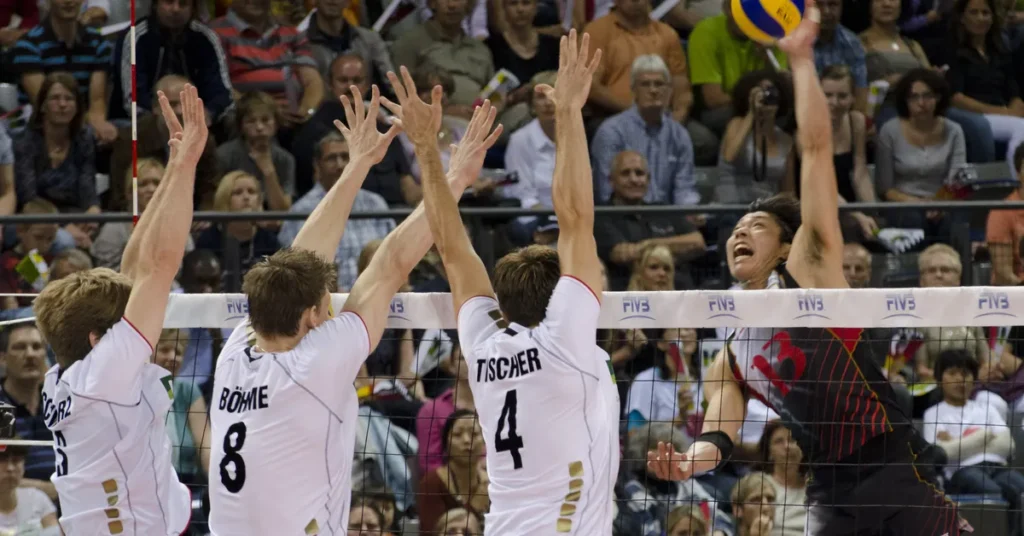
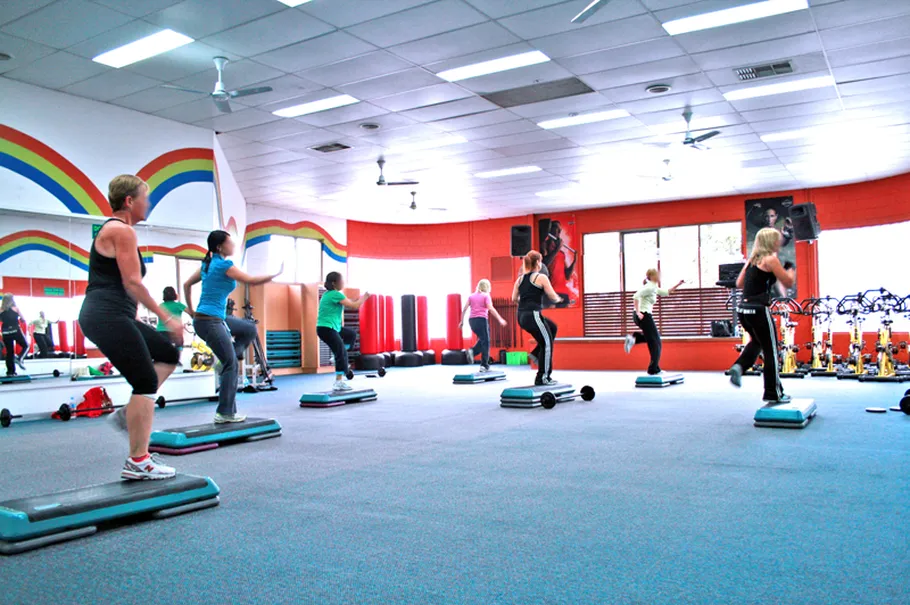
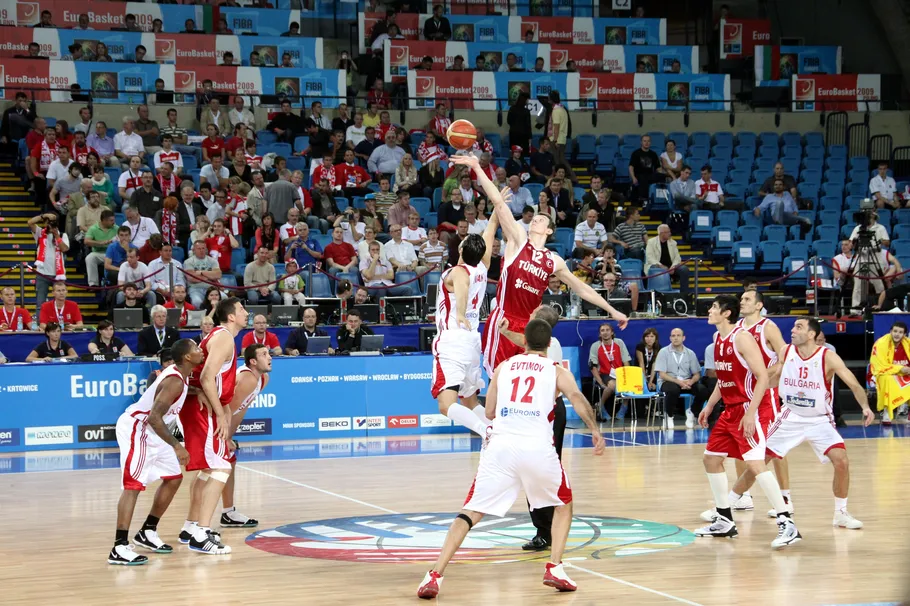
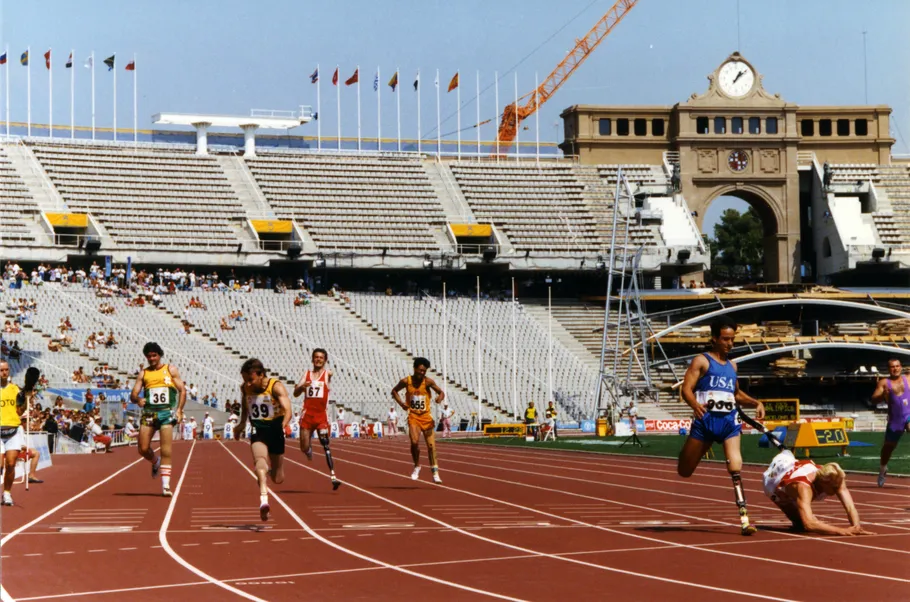
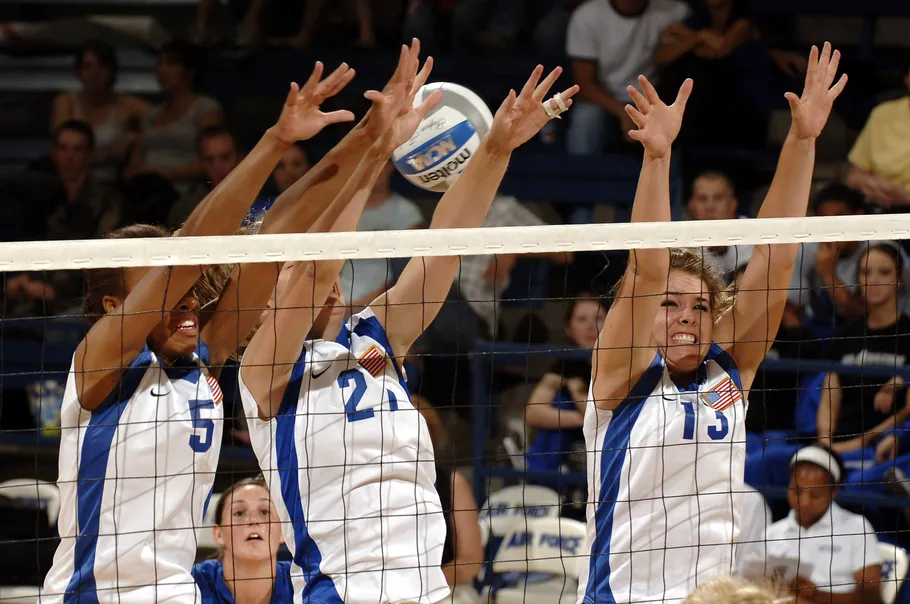
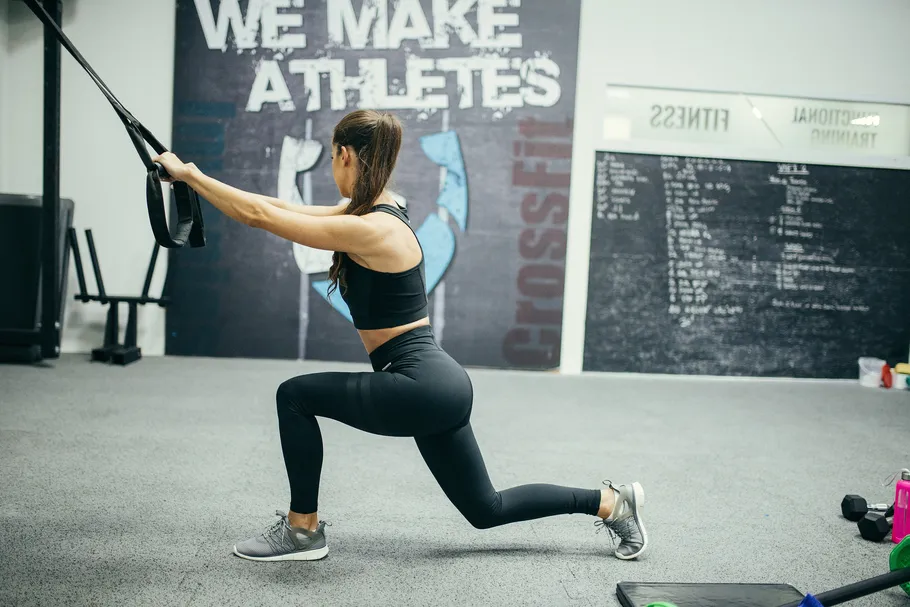
Every photo in this guide is an honest gym or sport scene, not a photo of the named product. The makers’ own product shots are not free to reuse, so each figure shows the kind of training the brace is bought for — court play, volleyball, running, soccer and gym lunges — and the caption says so plainly. No figure here should be read as a picture of the brace named above it.
One safety note runs through the whole guide. A brace is general training support, not treatment. It does not fix pain, heal an injury or prevent one. If an ankle swells, cannot bear weight, looks deformed, or hurts after a recent injury, talk to a clinician before training through it, and stop if a brace makes anything worse. The sizing and fit notes below are general information only — always check the listing’s own size chart before ordering.
If you are building out the kit around your training, this guide follows our best knee braces for home gyms guide: knees and ankles are the two joints most home gyms end up supporting, and the braces below cover the ankle half of that pair.
⚡ Quick Picks
Short on time? Here is the whole guide in six lines. For striking days, the gloves in our best MMA gloves for home gyms guide pair with the same home-gym routine.
- 1. McDavid 195 — Best Classic: the lace-up standard, with figure-6 straps and a Level 3 rating.
- 2. Bauerfeind MalleoTrain — Best Knit: a pull-on knit sleeve with pads over both ankle bones.
- 3. Zamst A2-DX — Best Maximum Support: moulded outer supports and X-Straps, the heaviest build here.
- 4. DonJoy Performance POD — Best Lightweight: a moulded shell brace with no laces and no stays.
- 5. Shock Doctor 851 Ultra Wrap — Best Wrap: a strap-driven wrap with a silicone-grip footbed.
- 6. Aircast AirSport — Best Semi-Rigid: foam-filled aircells in a semi-rigid shell, step-in design.
1. 🏋️ McDavid 195 — Best Classic
Specs: Lace-up with figure-6 straps; single-layer polyester shell with padded lining and ventilated tongue; Protection Level 3; fits either foot; sizes XS–XL by shoe size.
The McDavid 195 is the brace most people picture when they hear “ankle support”: a lace-up boot that you tighten like a shoe, then lock down with crossing straps. It is the classic of this guide — no shell, no hinge, just laces, straps and a snug polyester shell that has been the default shape of ankle support for decades.
Its figure-6 straps are the part worth understanding. After lacing up, two straps cross over the ankle in a pattern the maker calls figure-6, pulling the foot into a supported position from both sides. One version fits either foot, so there is no left-or-right ordering trap — but there is a size-chart trap, flagged below, because US and UK charts do not agree.
Pros:
- The classic lace-up shape — familiar, adjustable, easy to tighten mid-session.
- Figure-6 straps add support on top of the laces without a shell.
- One version fits either foot, so no left-or-right mistake at checkout.
Cons:
- Laces take longer to fit than a pull-on sleeve or a step-in shell.
- US and UK size charts conflict (see the flag below).
- No rigid shell, so maximum support is below the Zamst and Aircast here.
Who it’s for: court players and gym-goers who want the classic lace-up feel and don’t mind taking a minute to lace up properly.
⚠️ Flag — figure-6 or figure-8? McDavid’s own wording calls the 195’s straps figure-6, while several retailers describe the same straps as figure-8. The straps are the same crossing straps either way — the name differs by source, not the product — but if a listing’s description does not match, check the photos before ordering.
⚠️ Flag — US and UK size charts conflict: US charts run XS at men’s shoe 6–7 through XL at 14 and up, while UK charts run XS at men’s 6–7 and women’s 5.5–6.5 through XL at men’s 13 and up and women’s 11 and up, with the top sizes not lining up. Measure by your shoe size, then match it against the listing’s own chart, not a chart from another region.
⚠️ Flag — check the variant: model numbers ending in 195R describe a different version of the 195 family. Confirm the listing says plain 195 before ordering.
2. 🧦 Bauerfeind MalleoTrain — Best Knit
Specs: 3D Train knit sleeve with two viscoelastic pads over the inner and outer ankle bones; pull-on; left- and right-specific; sizes 1–6 by ankle circumference at the narrowest point, 17–29 cm.
The Bauerfeind MalleoTrain is the only knit pick in this guide, and it feels completely different from the lace-ups and shells around it. It is a pull-on sleeve in a three-dimensional knit, with two soft viscoelastic pads that sit over the inner and outer ankle bones. There are no laces, no straps and no shell — you pull it on like a sock and train.
The pads are the part worth understanding. Rather than a flat cushion, each pad is shaped to sit over one ankle bone, and the knit around them is firmer in some zones and stretchier in others, so the sleeve stays put without cutting in. Because the pads are placed for a specific ankle, this brace comes in left and right versions — the one ordering detail that matters most, flagged below.
Pros:
- Simple to live with — pull it on, no laces or straps to set.
- Pads sit over both ankle bones instead of pressing flat on them.
- Low profile under a shoe, with no shell to break in.
Cons:
- No straps or shell, so maximum support is below the strapped and shelled picks here.
- Left- and right-specific — ordering the wrong side is an easy mistake.
- Size 1’s band differs between sources (see the flag below).
Who it’s for: runners and gym-goers who want the lightest, simplest ankle support and are happy without straps or a shell.
⚠️ Flag — left or right: the MalleoTrain is made in left- and right-specific versions because the pads are placed for one ankle. Confirm the listing says the side you need before ordering — a “one size fits either foot” listing is describing a different product.
⚠️ Flag — size 1’s band conflicts: sources disagree on the smallest size: one chart gives size 1 as 17–18 cm of ankle circumference at the narrowest point, another as 17–19 cm. Measure at the narrowest point of the ankle, then match the number against the listing’s own chart rather than assuming the band.
⚠️ Flag — plain MalleoTrain, not Plus or S: Bauerfeind also sells the MalleoTrain Plus, which adds a figure-8 strap system and profile inserts, and the MalleoTrain S, which adds a three-level strap system. Both are different products — confirm the listing says plain MalleoTrain before ordering.
👉 Check Bauerfeind MalleoTrain on Amazon
3. 🛡️ Zamst A2-DX — Best Maximum Support
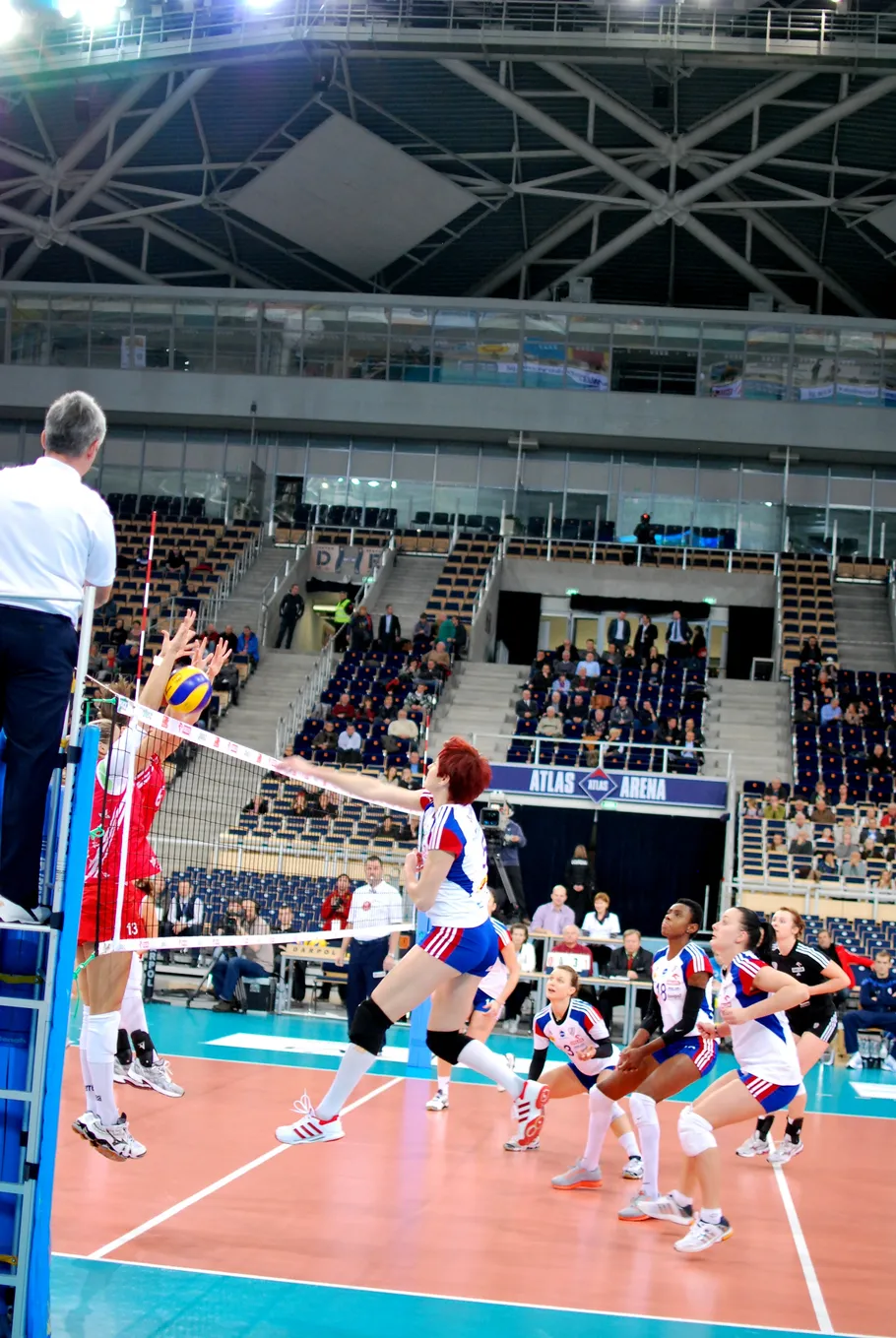
Specs: Exo-Grid dual exterior moulded supports; X-Strap stabilizers across the front, outside and inside of the ankle; Grip Tech anti-migration lining; i-Fit open-panel rear entry; a-Fit left- and right-specific fit; sizes S–XL by shoe size.
The Zamst A2-DX is the maximum-support pick of this guide. Two moulded supports sit on the outside of the ankle, X-Straps wrap across the front and both sides, and a grippy lining resists the brace sliding down mid-game. It opens at the back for entry, then closes into a left- or right-specific fit.
The maker calls this its strongest support for moderate-to-severe sprains — that is the maker’s claim, not a finding of this guide, and it is framed that way on purpose. What can be said plainly is that no other pick here combines moulded outer supports with a three-direction strap system, which is why it leads this guide on build rather than on a measured protection score.
Pros:
- Moulded outer supports plus X-Straps give the heaviest build here.
- Grip Tech lining resists the classic slide-down problem.
- Open-panel rear entry makes a structured brace easier to put on.
Cons:
- The bulkiest brace here — overkill for light gym days.
- Left- and right-specific, so the wrong side is an easy mistake.
- Needs a shoe with room to spare; tight shoes may not close over it.
Who it’s for: volleyball, basketball and court players who want the most structured support this guide offers and accept the bulk that comes with it.
⚠️ Flag — A2-DX, not A1: Zamst also sells the lighter A1, and the two are easy to confuse by name. The A2-DX is the one with the dual moulded Exo-Grid supports — if the listing photos show no outer moulded supports, it is not the A2-DX.
⚠️ Flag — left or right: the A2-DX is made in left- and right-specific versions. Confirm the listing says the side you need before ordering.
⚠️ Flag — colourways: black and white versions of the A2-DX are the same brace in different colours, but listings sometimes split them into separate pages with different size runs — check the size chart on the colour you actually order.
4. 🪶 DonJoy Performance POD — Best Lightweight
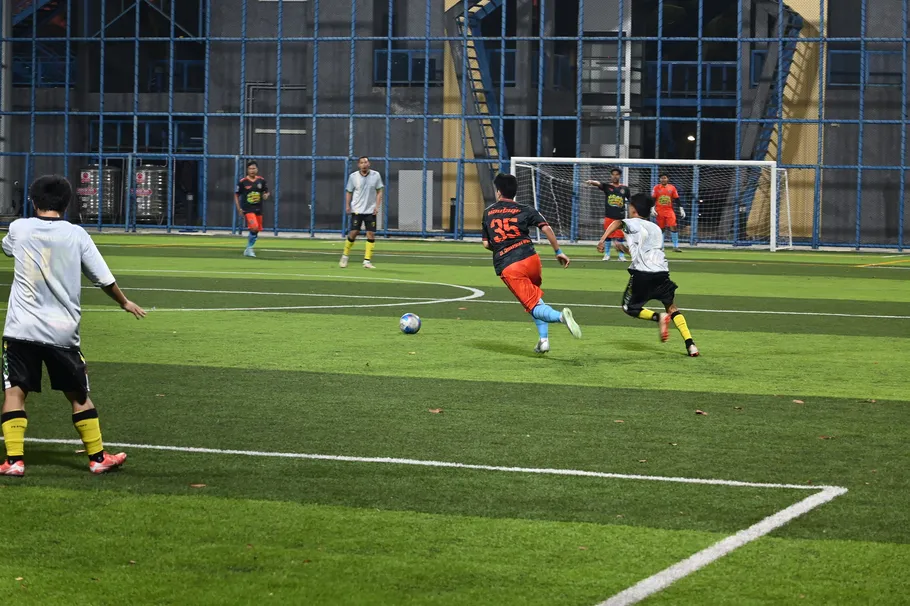
Specs: Moulded TPU shell with Protection On Demand technology; soft EVA lining; hook-and-loop closure; no laces and no stays; mid-level support; left- and right-specific; four sizes; sold as a single unit.
The DonJoy Performance POD is the lightweight pick. A moulded shell wraps the ankle, a soft foam lining sits against the skin, and one hook-and-loop closure does the whole job — no laces to tie, no stays to position. The maker says it is 30% lighter than the average ankle brace; that is the maker’s claim, not a measurement of this guide, and the weight records themselves disagree, flagged below.
The honest trade is clear: the POD trades away laces and stays for speed and lightness, and its support level is mid-range by the maker’s own description. It is the pick for players who want a shell’s structure without a shell’s weight, not the pick for anyone who needs the heaviest support here.
Pros:
- Lightest idea in the guide — shell structure without laces or stays.
- One hook-and-loop closure makes fitting fast between sessions.
- Soft foam lining keeps a hard shell comfortable against the ankle.
Cons:
- Mid-level support only — below the Zamst and Aircast here.
- Weight records conflict (see the flag below).
- Sold as a single unit, and left- and right-specific — two details to get right.
Who it’s for: players who want a light, fast-fitting shell brace for court and field play and don’t need maximum support.
⚠️ Flag — weight records conflict: the maker lists the POD at 4 oz, while one listing gives 5.9 oz. The two cannot both be the same brace’s weight, so this guide does not rank any pick by weight — and neither should a listing that quotes only one of the two numbers.
⚠️ Flag — POD, not Bionic or Stabilizing PRO: DonJoy also sells the Bionic ankle brace, a stay stirrup with a different build, and the Stabilizing PRO, a lace-up with figure-8 strapping and removable stays. Both are different models — confirm the listing says Performance POD before ordering.
⚠️ Flag — single unit, one side: the POD ships as one brace, not a pair, and in left- and right-specific versions. If you need both ankles covered, order two, in the correct sides.
👉 Check DonJoy Performance POD on Amazon
5. 🎗️ Shock Doctor 851 Ultra Wrap — Best Wrap
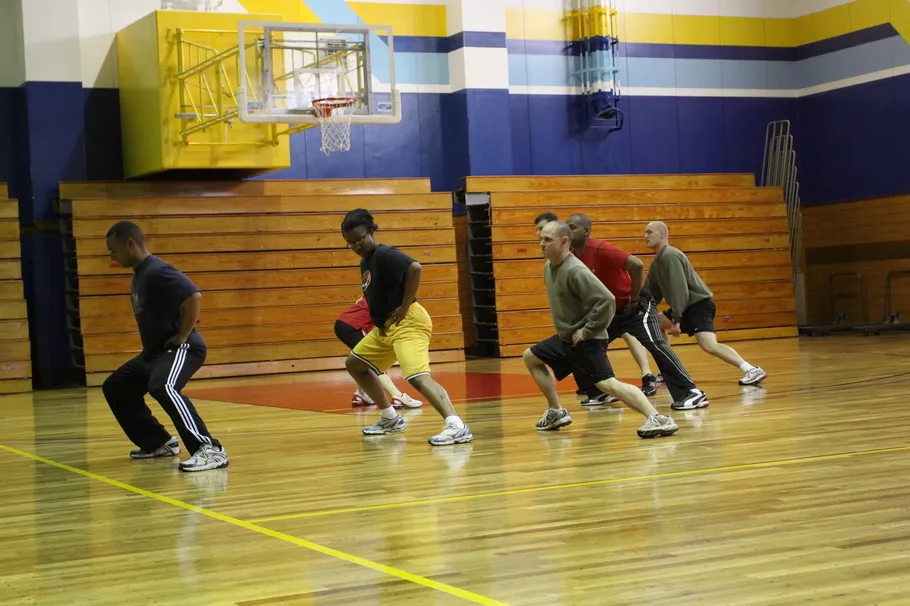
Specs: Multi-directional adjustable strap system with Z-Grip; low-profile lacing loops; pre-curved tongue; non-slip silicone gripper footbed; latex-free; Performance Level 3.
The Shock Doctor 851 Ultra Wrap is the wrap pick — neither a lace-up boot nor a shell, but a wrap whose straps do the work. A multi-directional strap system pulls from several angles at once, low-profile loops keep the wrap flat under a shoe, and a silicone gripper on the footbed resists the wrap sliding inside the shoe.
The pre-curved tongue is the small detail that matters in use: a flat tongue bunches when the ankle bends, while a curved one follows the front of the ankle. Combined with the latex-free build, this is the pick for gym-goers who react to latex or who want strap adjustability without laces.
Pros:
- Strap system adjusts from several directions without full lacing.
- Silicone gripper footbed resists sliding inside the shoe.
- Latex-free build suits gym-goers with latex sensitivity.
Cons:
- Strap fitting takes practice — it is not a pull-on sleeve.
- The size basis must be checked on the listing (see the flag below).
- No rigid shell, so maximum support is below the Zamst and Aircast here.
Who it’s for: gym-goers who want strap adjustability without laces, and players who need a wrap that stays put inside the shoe.
⚠️ Flag — 851, not 849 or Ultra Knit: Shock Doctor also sells the 849 Ultra Gel Lace, a lace-up with gel cushions, and the Ultra Knit with a figure-6 strap and stays. Both are different models — confirm the listing says 851 Ultra Wrap before ordering.
⚠️ Flag — check the listing’s own size chart: the records checked for this guide did not settle the 851’s own size chart: Shock Doctor’s ankle-brace letter system (AS–AXL by ankle circumference) appears on the 849 listing, but that chart belongs to the 849, not the 851. Do not borrow another model’s chart — match your measurement against the 851 listing’s own chart before ordering.
👉 Check Shock Doctor 851 Ultra Wrap on Amazon
6. 🥾 Aircast AirSport — Best Semi-Rigid
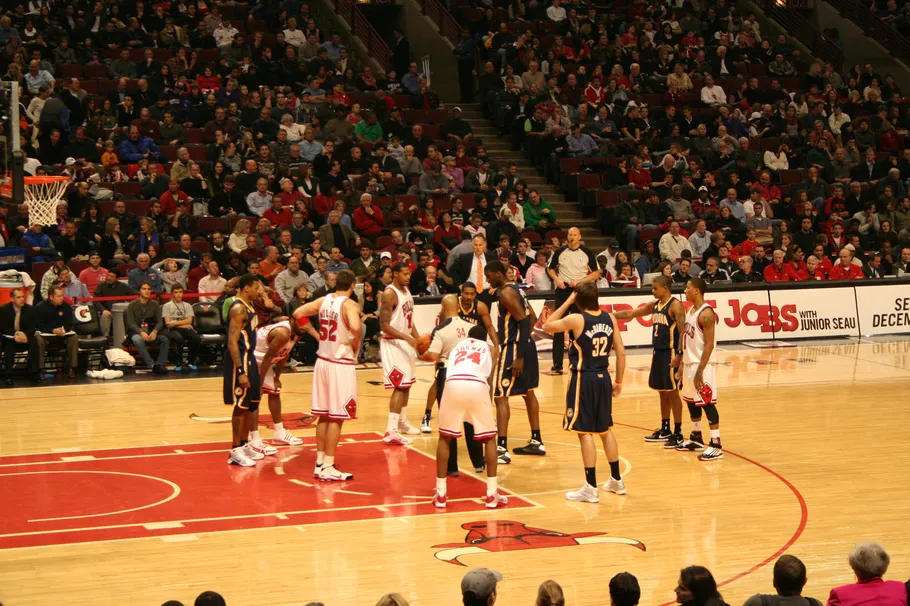
Specs: Semi-rigid encased shells with foam-filled aircells; ATF cross strap; forefoot and shin wraps; automatic heel-width adjustment; step-in design; left- and right-specific; sizes XS–XL by shoe size.
The Aircast AirSport is the semi-rigid pick. Two shells encase the ankle, foam-filled aircells cushion inside them, and a cross strap runs over the front of the ankle — the ATF strap, named for the ligament it crosses. Forefoot and shin wraps hold the shells in place, and the heel width adjusts itself as the brace closes.
The step-in design is the practical difference from the lace-ups here: the brace opens, the foot steps in, and the wraps close it down. There is no lacing sequence to learn, which makes it the easiest structured brace in this guide to fit — at the cost of the fine tension control a lace-up gives.
Pros:
- Semi-rigid shells give structured support without a full rigid boot.
- Step-in design is the fastest fit of any structured pick here.
- Foam-filled aircells cushion the ankle inside the shells.
Cons:
- Bulkier than a sleeve or wrap, and needs shoe room to spare.
- UK and Australian shoe charts differ (see the flag below).
- Left- and right-specific, so the wrong side is an easy mistake.
Who it’s for: court players who want structured shell support with the easiest fit in this guide, and who have shoes with room to spare.
⚠️ Flag — plain AirSport, not Plus or A60: Aircast also sells the AirSport Plus, a different model with dial lacing and a 23 cm height, and the A60, a different semi-rigid design again. The Plus’s chart and height do not apply to the plain AirSport — confirm the listing says plain AirSport before ordering.
⚠️ Flag — UK and Australian charts differ: UK charts run XS below men’s 4 through XL above men’s 14.5, while an Australian chart for the same model runs XS below 2.5 through XL above 11.5. The regions do not line up, so match your shoe size against the listing’s own chart, not a chart from another region.
⚠️ Flag — left or right: the AirSport is made in left- and right-specific models. Confirm the listing says the side you need before ordering.
👉 Check Aircast AirSport on Amazon
📊 Comparison Table
| Pick | Best for | Support type | Sizes | Standout |
| McDavid 195 | Classic | Lace-up, figure-6 straps | XS–XL by shoe size | Level 3, fits either foot |
| Bauerfeind MalleoTrain | Knit | Knit sleeve, two pads | 1–6 by ankle circumference | Pull-on, left/right specific |
| Zamst A2-DX | Maximum support | Moulded supports, X-Straps | S–XL by shoe size | Exo-Grid, Grip Tech lining |
| DonJoy Performance POD | Lightweight | Moulded shell, hook-and-loop | Four sizes | No laces, no stays |
| Shock Doctor 851 Ultra Wrap | Wrap | Multi-directional straps | See listing chart | Silicone gripper footbed |
| Aircast AirSport | Semi-rigid | Shells, foam aircells, ATF strap | XS–XL by shoe size | Step-in, auto heel width |
The table is honest about its limits. Sizes are not directly comparable across brands — the McDavid, Zamst and Aircast rows use shoe size, the Bauerfeind row uses ankle circumference, and the Shock Doctor row carries no settled chart at all, so the table shows the headline basis and the flags in each section carry the detail. No weight column appears because the makers do not publish weights consistently — the DonJoy records alone give two different numbers — and guessing them would mislead. The second column is this guide’s verdict, not the makers’ own claims.
Also considered, without links: the McDavid 195R, the Bauerfeind MalleoTrain Plus and MalleoTrain S, the Zamst A1, the DonJoy Stabilizing PRO and Bionic ankle brace, the Shock Doctor 849 Ultra Gel Lace and Ultra Knit, and the Aircast AirSport Plus and A60. Each was left out because it duplicates a pick here under a confusingly similar name — check the flags above before ordering any of them by mistake.
🧭 How to Choose the Right Ankle Brace
Start with the support type, not the brand. A knit sleeve suits everyday gym work and running. A lace-up suits court players who want to control tension themselves. A wrap suits strap adjustability without laces. A shell or semi-rigid brace suits players who want structure for cutting and landing. Buying more support than your training needs usually means a brace that stays in the drawer.
Then measure — twice, and against the listing’s own chart. This guide’s running theme is that charts disagree: different points, different units, different regions, different letters. A tape measure and five minutes beat a return every time. If you sit between sizes, read the listing’s guidance for that exact model rather than carrying a size over from another brand.
Match the brace to the shoe. A brace that does not fit inside your shoe is useless, however good it feels on its own — the Zamst and Aircast here both need room to spare, and tight shoes may not close over them. Our best wrestling shoes for home gyms guide covers the shoe side of the same problem: the shoe and the brace have to fit together, not just separately.
Check the single-versus-pair and left-versus-right details before checkout. The DonJoy POD ships as one brace, several picks here are left- or right-specific, and the McDavid 195 alone fits either foot — the listing page, not this guide, is the final word. Washability matters too: a pull-on sleeve goes in the wash more easily than a shelled brace, and a brace that cannot be kept fresh will not stay in rotation.
If your home gym includes sparring or grappling, the rest of the protective kit matters alongside the brace — our best groin guards for home gyms guide and our best mouthguards for home gyms guide cover the other two pieces most people forget until they need them.
❓ Frequently Asked Questions
Can an ankle brace fix ankle pain?
No — and any guide that says otherwise is overselling. A brace supports the joint while you train; it does not heal an injury, repair a ligament or cure a condition. Pain that is new, sharp, swelling, stopping you bearing weight, or following a recent injury deserves a clinician’s eyes before any brace is bought. Use a brace for support during training, not as a substitute for advice.
What is the difference between a brace, a sleeve, a wrap, a strap and tape?
A brace is a structured support with stays, hinges, pads or a shell. A sleeve is a knit tube with no straps or shell. A wrap is a strap system wound around the ankle and adjusted by tension. A strap is a cuff that clips to gym equipment for exercises, not joint support. Tape is a single-use binding applied by hand and removed after. They solve different problems — buying a cable strap when you need a brace is the most common mistake in this category.
How do I measure for an ankle brace?
Measure exactly where the listing for that model tells you to — and that is the catch, because listings disagree. Some size by shoe size, some by ankle circumference at the narrowest point, some by numbered sizes, and the same model can carry different charts by region. Take both numbers (shoe size and ankle circumference), then match them against the specific listing’s own chart. Never carry a size across brands.
Can I wear an ankle brace all day, or while sleeping?
Most of these braces are made for activity, not all-day wear — check the listing for the model you buy. A sleeve or wrap worn for hours can chafe or cut circulation, and sleeping in a shelled brace is rarely advised by makers. If an ankle needs support all day, that is a clinician conversation, not a product choice.
Do I need one brace or a pair?
It depends on the listing. The DonJoy POD ships as a single unit, so two ankles means two orders. The McDavid 195 fits either foot, but that does not make it a pair — check whether the listing sells one or two. The left- and right-specific picks need the correct side as well as the correct quantity, so check the listing page before checkout rather than assuming.
What else helps a home gym beyond an ankle brace?
Recovery kit rounds out the setup — our best foam rollers for home gyms guide covers the roller most home gyms start with. Keep the same honesty rule: a roller, like a brace, is training support, not treatment, and an ankle that keeps hurting still deserves a clinician first.
Thanks for reading — if this guide helped you pick, the links above support the site at no extra cost to you.
Disclosure: As an Amazon Associate, we earn from qualifying purchases made through links on this page, at no extra cost to you. Product details and availability should be checked on the listing page before ordering.
Pingback: Best Elbow Braces for Home Gyms (2026)