A knee brace is a stability support for the joint: a sleeve, a wrap or a strapped frame built around stays, hinges or a pad that keeps the kneecap tracking and the joint feeling steadier while you squat, lunge, jump or roll. It is not the same thing as the padding in our wrestling knee pads guide — a pad cushions impact when a knee hits the mat, while a brace supports the joint itself. It is also not a knee sleeve, which is compression only with no hinges or stays, and not a knee wrap, which is an elastic band wound tight for a heavy lift and then taken off.
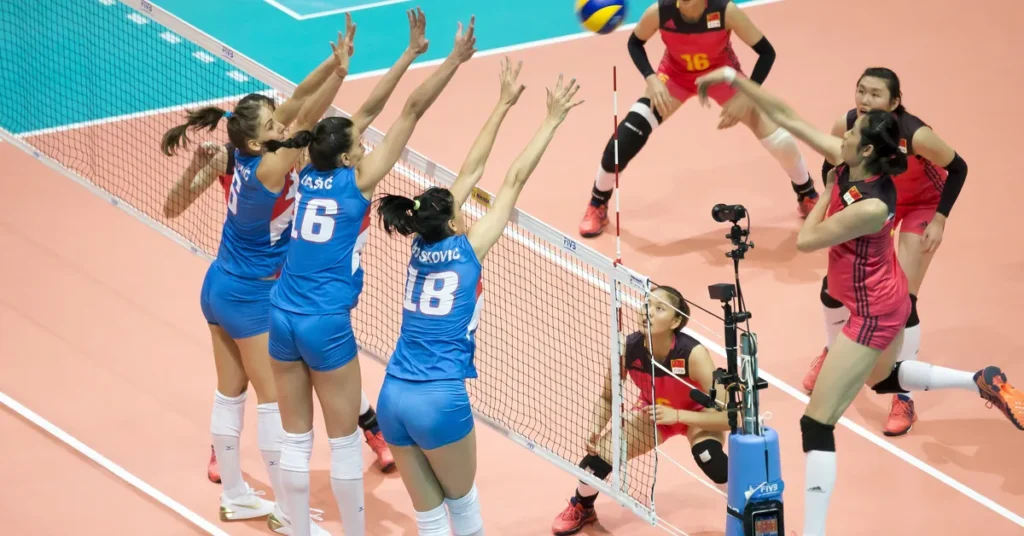
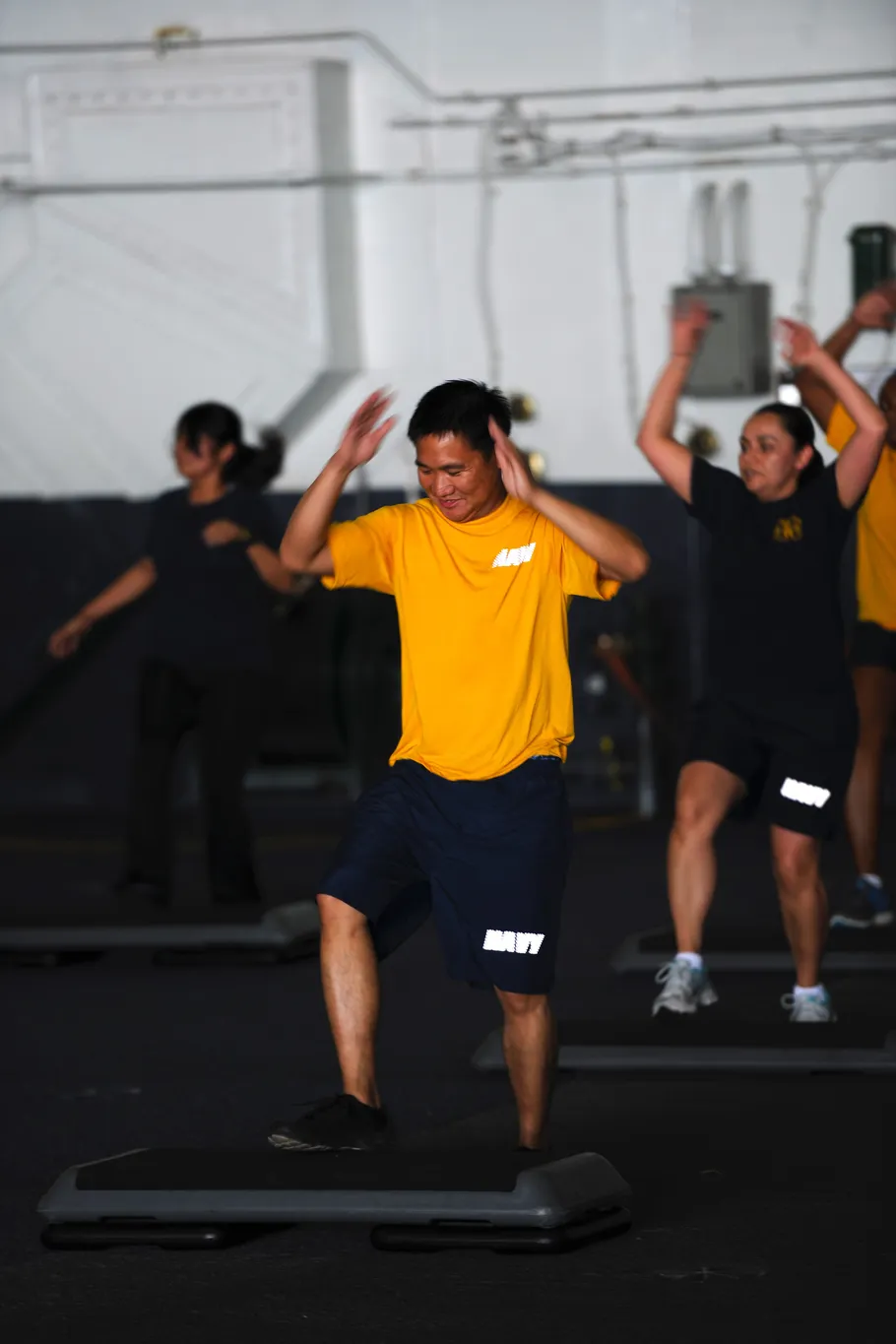
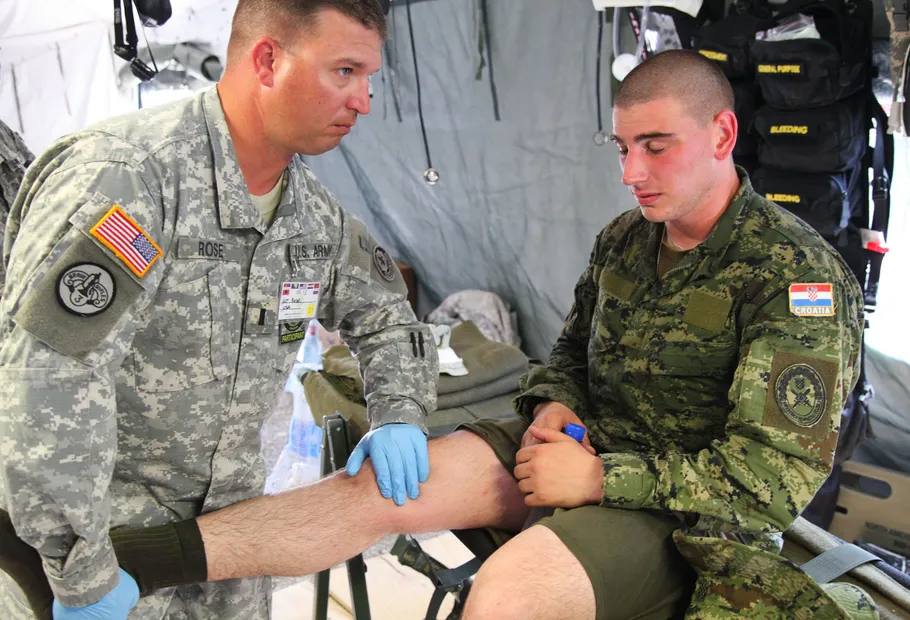
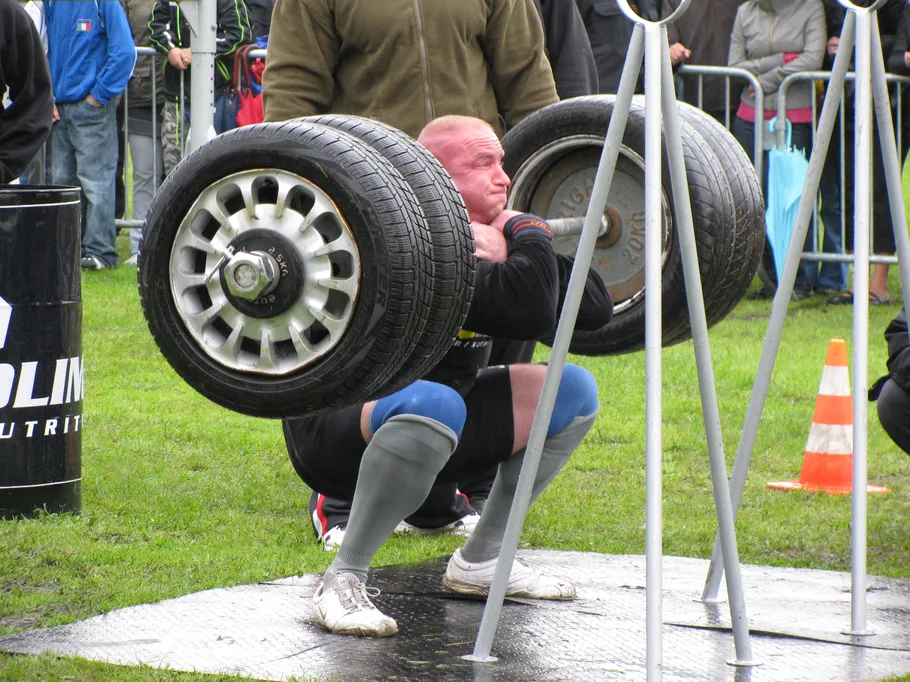
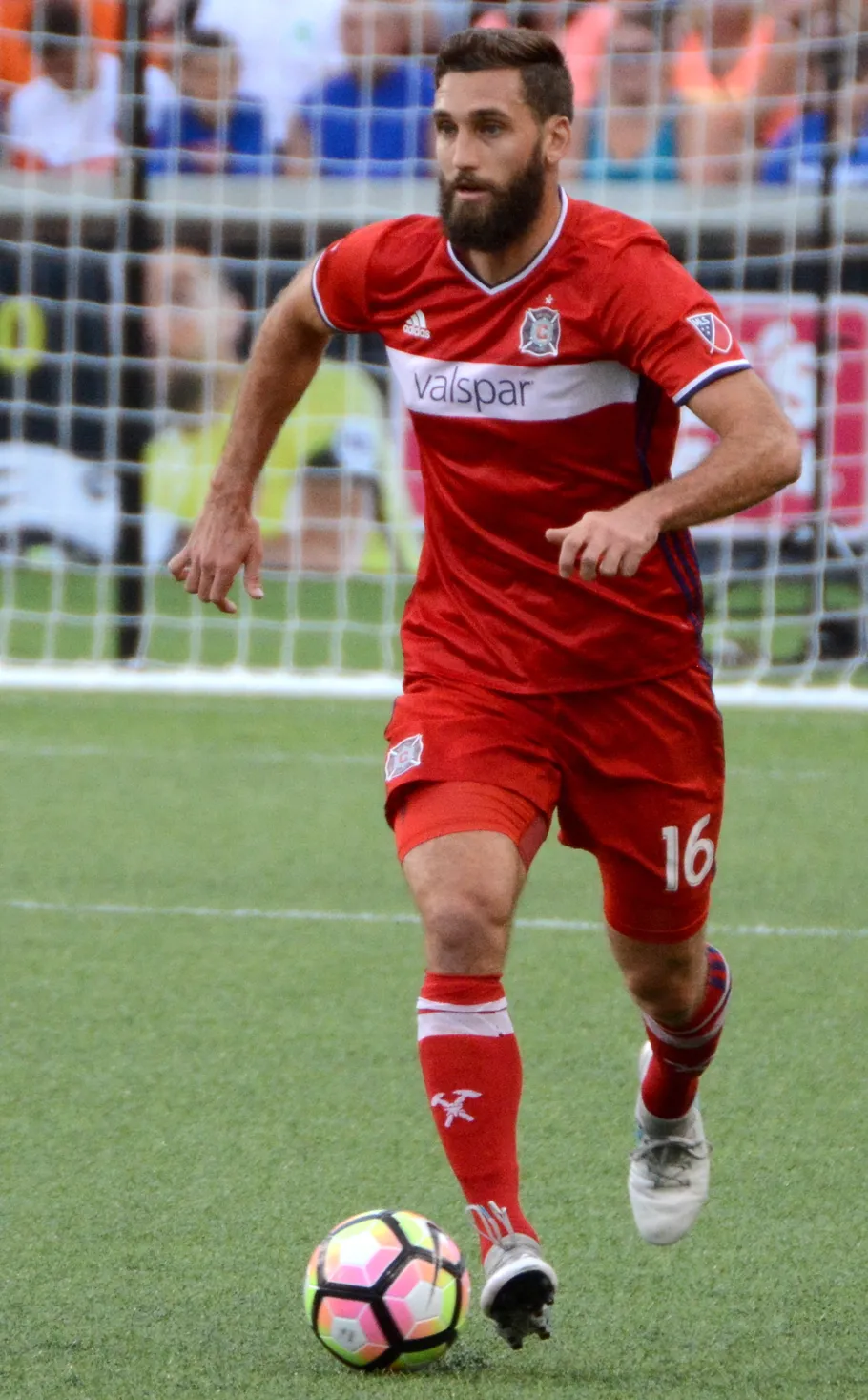
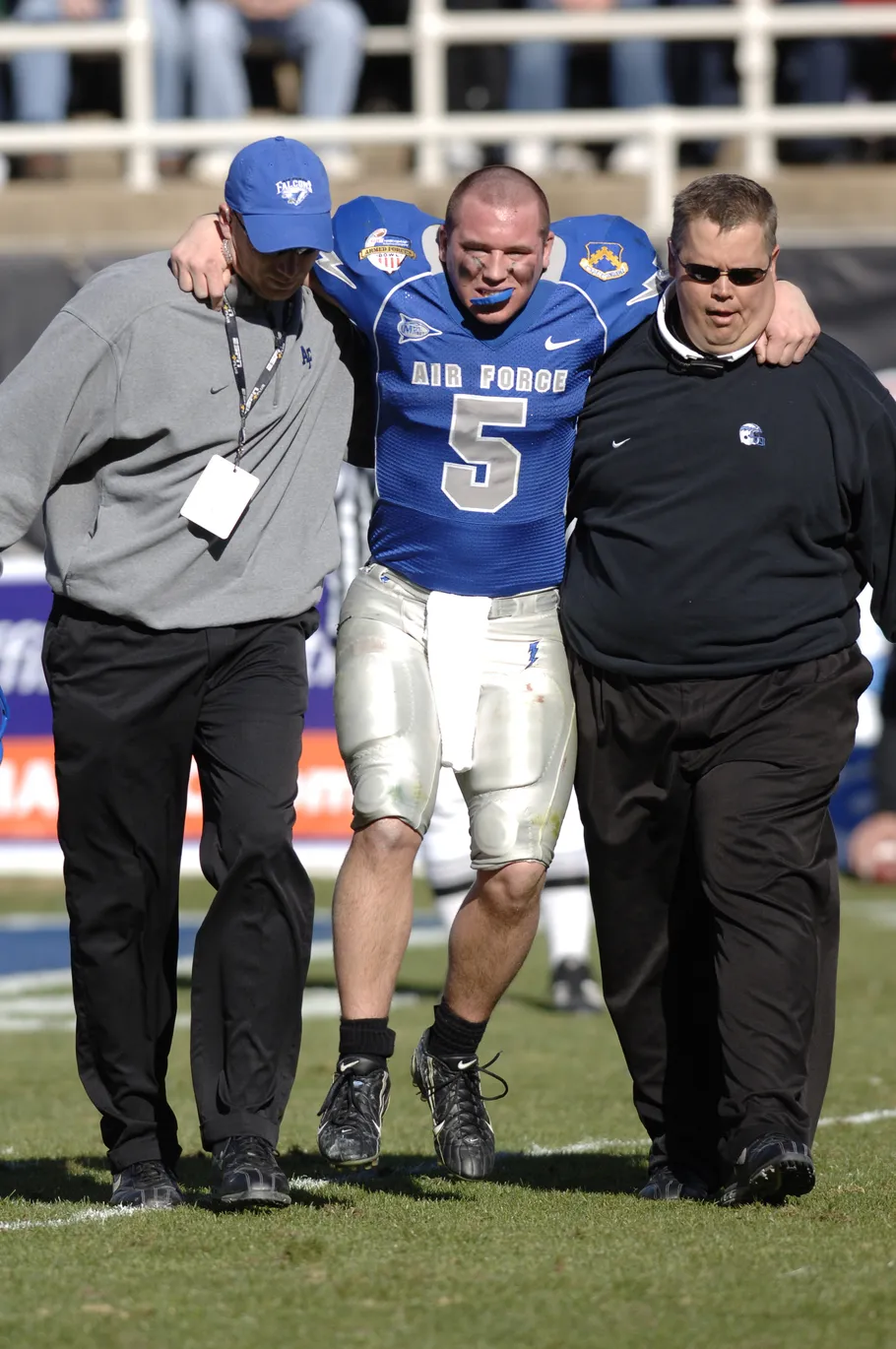
Every photo in this guide is an honest gym or sport scene, not a photo of the named product. The makers’ own product shots are not free to reuse, so each figure shows the kind of training the brace is bought for — squats, leg work, court play and running — and the caption says so plainly. No figure here should be read as a picture of the brace named above it.
One safety note runs through the whole guide. A brace is general training support, not treatment. It does not fix pain, heal an injury or prevent one. If a knee swells, locks, gives way, or hurts after a recent injury, talk to a clinician before training through it, and stop if a brace makes anything worse. The sizing and fit notes below are general information only — always check the listing’s own size chart before ordering.
If you are building out the kit around your training, this guide follows our best BJJ spats for home gyms guide, and it sits next to our best wrestling knee pads for home gyms guide: spats and pads cover the mat, while the braces below cover the joint itself.
⚡ Quick Picks
Short on time? Here is the whole guide in six lines. For striking days, the gloves in our best MMA gloves for home gyms guide pair with the same home-gym routine.
- 1. Bauerfeind GenuTrain — Best Classic: the knit-sleeve standard, with a shaped pad and flexible stays.
- 2. McDavid 429X — Best Hinged: bilateral geared hinges and cross straps for lifters who want real side support.
- 3. NEENCA Professional — Best Value: gel pad, spring stabilizers and anti-slip strips at a friendly level.
- 4. Shock Doctor 875 — Best Sports: a vented hinged brace built for court play, sold as a single unit.
- 5. DonJoy Performance Bionic — Best Maximum Support: the heaviest hinge setup here, with hyperextension stops.
- 6. Bodyprox Patellar Tendon Support Strap — Best Strap: one simple strap worn below the kneecap, sold as a pair.
1. 🏥 Bauerfeind GenuTrain — Best Classic
Specs: Knit sleeve with Omega pad and flexible side stays; donning aids included; same version fits left or right; numbered sizes.
The GenuTrain is the brace most people picture when they hear “knee support”: a close-knit sleeve that slides on, with a shaped pad around the kneecap and flexible side stays that steady the joint without locking it. It is the quiet pick of this guide — no hinges, no straps to adjust mid-set, just a sleeve you pull on and train in.
Its Omega pad is the part worth understanding. Rather than a flat cushion, the pad is shaped to cup the kneecap, and the knit around it is firmer in some zones and stretchier in others, so the sleeve stays put without cutting in. Donning aids come in the box, which matters more than it sounds: a tight knit sleeve is genuinely hard to pull on, and the aids are what make daily use realistic.
Pros:
- Simple to live with — slide it on, no hinges or straps to set.
- Shaped Omega pad cups the kneecap instead of pressing flat on it.
- Donning aids included, so the snug knit is practical every day.
Cons:
- No hinges, so side-to-side support is lighter than the hinged picks here.
- Numbered sizing is confusing — charts disagree (see the flag below).
- The snug knit can feel warm over a long session.
Who it’s for: lifters and general gym-goers who want everyday sleeve support and are happy without hinges.
⚠️ Flag — “stays” are not hinges: the GenuTrain’s side stays are flexible supports inside the knit, not the geared metal hinges on the McDavid or DonJoy picks. If a listing calls it “hinged”, it is describing a different brace — check before ordering.
⚠️ Flag — sizing charts conflict: Bauerfeind’s own materials show a numbered 0–7 range measured at the thigh and calf, while other charts show 6 sizes or 13 sizes, and the measurement points differ too — 14 cm above the knee centre with the knee bent 30°, against inches up the thigh and down the calf. Measure both points, then match them against the listing’s own chart, not a chart from another seller.
⚠️ Flag — check the variant: GenuTrain A3, P3, S and OA are separate models with different pads and builds, and a sports knee support under the same brand is another product again. Confirm the listing says plain GenuTrain before ordering.
👉 Check Bauerfeind GenuTrain on Amazon
2. 🔧 McDavid 429X — Best Hinged
Specs: 4.8 mm latex-free neoprene; bilateral geared polycentric hinges; cross straps; padded patella buttress; hinges removable for washing; fits left or right; sizes S–XXL.
The 429X is the hinged brace for lifters. Two geared hinges run down either side of the knee and move with the joint, while cross straps wrap over the top and hold the whole thing in place. The padded buttress around the kneecap keeps the pad where it belongs instead of drifting mid-set.
Two practical details set it apart. First, it fits either leg, so one listing covers both knees. Second, the hinges pop out for washing — a small thing that decides whether a neoprene brace stays fresh or starts smelling after a month of sessions.
Pros:
- Geared hinges give real side support that a plain sleeve cannot.
- Cross straps lock the brace down during squats and lunges.
- Hinges remove for washing, and one version fits either leg.
Cons:
- Bulkier and warmer than a knit sleeve, especially under trousers.
- Size charts conflict between sellers (see the flag below).
- Neoprene needs regular washing to stay fresh.
Who it’s for: lifters who want hinged support for squats and leg days and don’t mind a bulkier brace.
⚠️ Flag — confirm 429X, not 429 or 429R: McDavid sells several near-identical numbers, and the cross straps are the tell — the 429X has them, the plain 429 and the 429R do not. If the listing photos show no cross straps, it is not the 429X.
⚠️ Flag — size charts conflict: UK charts list S at 13–14 in. through XXL at 17.5–19 in. of knee circumference, while other charts list S at 30–35 cm through XXL at 50–56 cm, and the measurement point itself differs — straight knee circumference against 5 cm below the kneecap with the knee bent under 45°. Measure both ways and check the listing’s own chart before ordering.
👉 Check McDavid 429X on Amazon
3. 💰 NEENCA Professional — Best Value
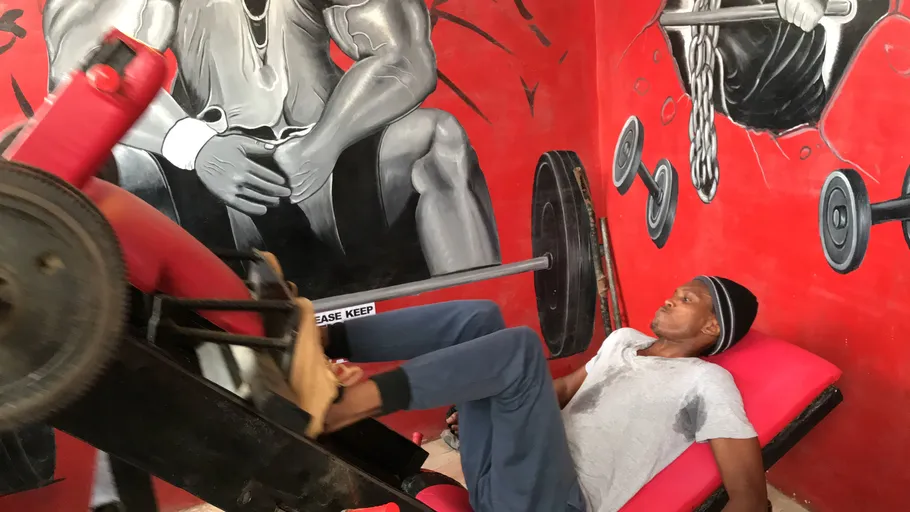
Specs: Patella gel pad, dual spring stabilizers, anti-slip strips; sizes XS–3XL by thigh and calf circumference.
The NEENCA Professional is the value pick that does not feel like a compromise. A gel pad sits over the kneecap, two spring stabilizers run down the sides, and silicone anti-slip strips grip above and below the knee so the sleeve stays where you put it. It is a sleeve with extra structure, sitting between the plain knit of the GenuTrain and the full hinges of the McDavid.
The size range is the other reason it leads on value: XS through 3XL covers far more legs than most braces at this level, as long as you measure properly. The brace is sized by thigh and calf circumference, not by a single knee number, so both measurements matter.
Pros:
- Gel pad plus spring stabilizers give structure without full hinges.
- Anti-slip strips keep the sleeve in place during sets.
- Wide XS–3XL range covers more sizes than most value braces.
Cons:
- No hinges, so maximum side support is below the McDavid and DonJoy.
- Size charts disagree on where to measure (see the flag below).
- Spring stabilizers add a little stiffness compared with a plain sleeve.
Who it’s for: gym-goers who want structured support on a budget and are willing to measure twice.
⚠️ Flag — measure thigh and calf, and check the chart: listings disagree on the measurement point — one common chart measures the thigh 4 in. above the knee, while others use different points. Take both the thigh and calf numbers, then match them against the specific listing’s own chart rather than a generic one.
👉 Check NEENCA Professional on Amazon
4. 🏀 Shock Doctor 875 — Best Sports
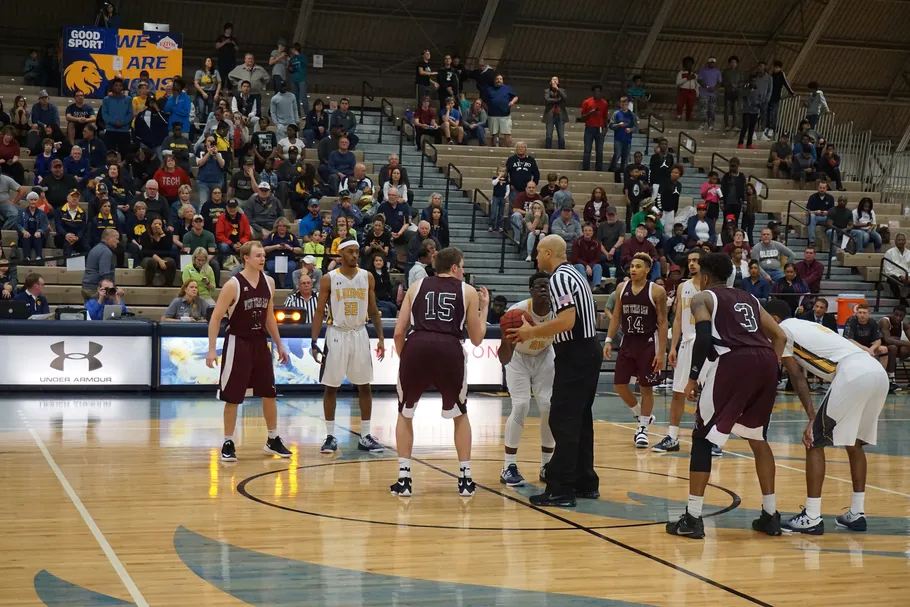
Specs: N-Tex vented neoprene with Lycra mesh; bilateral hinges; X-Fit strap system; sold as a single unit; sizes XS–XL.
The Shock Doctor 875 is the court-sport pick. Bilateral hinges steady the knee through cuts and landings, while the vented neoprene and Lycra mesh panels are there to breathe — court sessions run hot, and a brace that traps heat gets abandoned. The X-Fit strap system wraps the brace down so it stays put through a full game.
It is also the pick where the ordering detail matters most: the 875 is sold as a single unit. One box covers one knee, so players who brace both knees need two.
Pros:
- Bilateral hinges suit cutting, jumping and landing on court.
- Vented neoprene and mesh panels breathe better than solid neoprene.
- X-Fit straps hold the brace down through a full session.
Cons:
- Sold as a single unit — two knees means two orders.
- Size systems differ between listings (see the flag below).
- Hinged bulk is more than a sleeve for all-day wear.
Who it’s for: basketball, volleyball and court players who want a hinged brace that breathes.
⚠️ Flag — 875 is not 872: Shock Doctor’s numbering is close enough to confuse — the 875 is the Ultra model with bilateral hinges, while other numbers in the range describe different builds. Confirm the listing says 875 before ordering.
⚠️ Flag — two size systems: some listings size the 875 XS–XL, while others use an AS–A2XL system covering roughly 12.25–16.25 in. The letters do not line up between systems, so match your measurement against the specific listing’s chart, not the letters alone.
⚠️ Flag — single unit: the 875 ships as one brace, not a pair. If you need both knees covered, order two.
👉 Check Shock Doctor 875 on Amazon
5. 🛡️ DonJoy Performance Bionic — Best Maximum Support
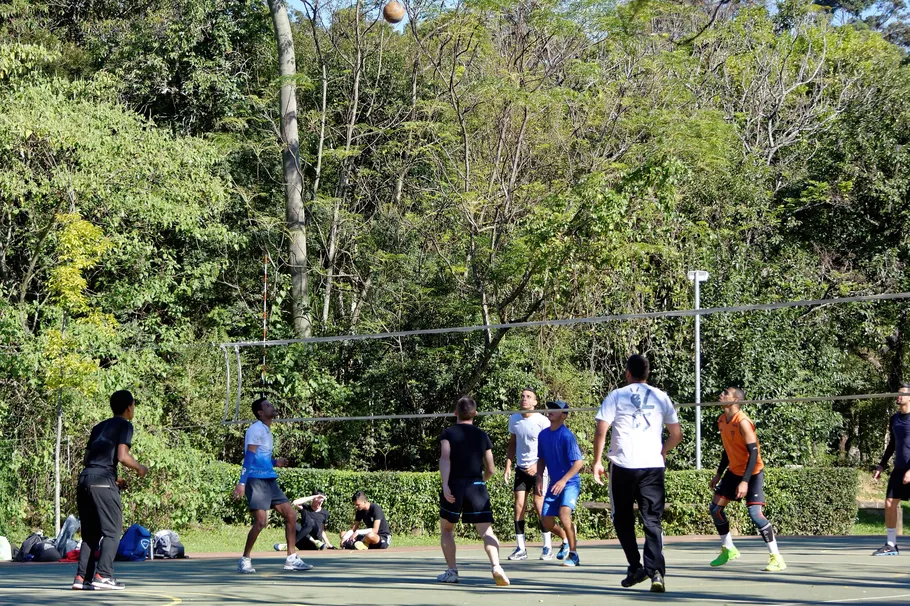
Specs: Bilateral polycentric hinges with hyperextension stops; perforated neoprene wrap-around; hex patella opening; stretch webbing and TPR pull tabs; 4 sizes.
The DonJoy Performance Bionic is the maximum-support pick. It wraps around the leg rather than sliding on, with bilateral polycentric hinges that include hyperextension stops — the hinge physically resists the knee straightening past its set point. A hex-shaped opening centres the kneecap, perforated neoprene vents some heat, and stretch webbing with rubberised pull tabs makes the wrap-around fit adjustable without a second pair of hands.
Anti-migration design is the quiet feature: the brace is shaped to resist sliding down during play, which is the complaint that kills most wrap-around braces. Four sizes cover the range, with no extra-small or extra-large beyond them.
Pros:
- Hyperextension stops give the strongest hinge control in this guide.
- Wrap-around fit adjusts without pulling a sleeve over the foot.
- Anti-migration shaping resists the classic slide-down problem.
Cons:
- The heaviest and bulkiest brace here — overkill for light gym days.
- Only 4 sizes, with no extra-small or extra-large option.
- Roundups report the sizing runs small (see the flag below).
Who it’s for: players and lifters who want the most support this guide offers and accept the bulk that comes with it.
⚠️ Flag — plain Bionic, not Bionic FullStop: DonJoy also sells the Bionic FullStop, a different model with dampening hinges and a four-point leverage system. The two are easy to confuse by name — confirm the listing says plain Performance Bionic.
⚠️ Flag — sizing reportedly runs small: several roundups report the Bionic runs small. If you sit between sizes, check the listing’s own chart carefully before ordering rather than assuming your usual size.
👉 Check DonJoy Performance Bionic on Amazon
6. 🎯 Bodyprox Patellar Tendon Support Strap — Best Strap
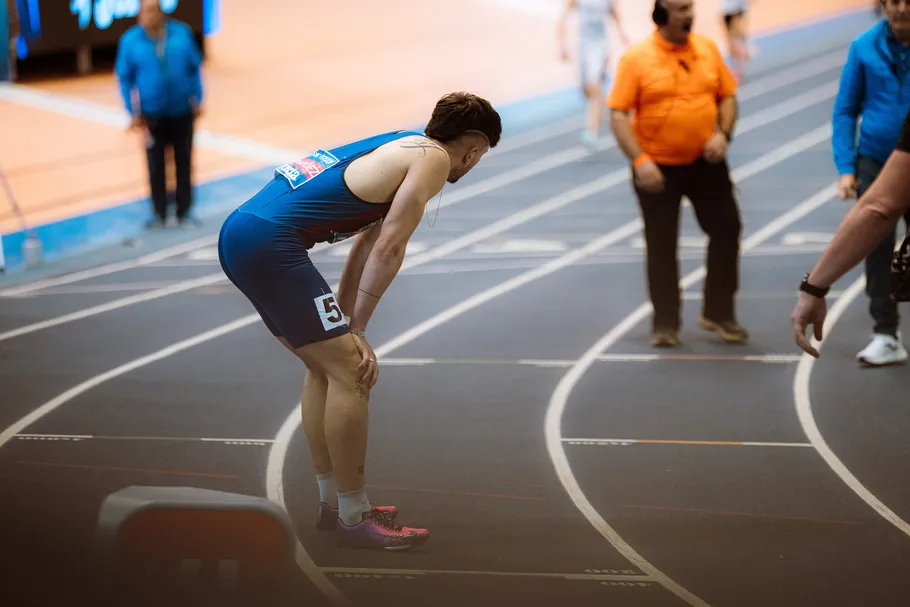
Specs: Single adjustable strap worn just below the kneecap; silicone gel padding; hook-and-loop fastening; one size, 13–18 in. knee circumference; sold as a pair.
The Bodyprox strap is the simplest thing in this guide, and that is the point. It is not a sleeve or a hinged brace — it is one adjustable strap that sits just below the kneecap, with silicone gel padding pressing on the patellar tendon. It takes seconds to put on, it fits under anything, and it costs far less than any brace here.
The strap is also the honest minimalist of the six. It does not steady the whole joint the way hinges do, and it does not compress the whole knee the way a sleeve does. What it does is target one spot — the tendon below the kneecap — which is exactly what runners and jumpers usually want from a strap.
Pros:
- Dead simple — one strap, seconds to fit, under any kit.
- Silicone gel padding targets the tendon below the kneecap.
- Sold as a pair, so both knees are covered in one order.
Cons:
- One size only — knees outside 13–18 in. are not covered.
- No sleeve or hinge support for the joint as a whole.
- A strap can slip if it is not fastened snugly.
Who it’s for: runners and jumpers who want targeted tendon pressure in the simplest, cheapest form here.
⚠️ Flag — single strap, not the Dual: Bodyprox also sells a Dual strap with two bands, one above and one below the knee, in Small/Medium and Large. That is a different listing with different sizing — confirm the listing shows the single strap 2-pack before ordering.
⚠️ Flag — it sits below the kneecap: the strap is worn just under the patella, not over it. If a listing photo shows a full knee sleeve, it is not this product.
⚠️ Flag — same brand, different product: Bodyprox also makes the knee pads in our wrestling knee pads guide. Pads and this strap share a brand name only — do not order one expecting the other.
👉 Check Bodyprox Patellar Tendon Support Strap on Amazon
📊 Comparison Table
| Pick | Best for | Support type | Sizes | Standout |
| Bauerfeind GenuTrain | Classic | Knit sleeve, pad, flexible stays | Numbered (see flag) | Omega pad, donning aids |
| McDavid 429X | Hinged | Bilateral geared hinges | S–XXL | Cross straps, removable hinges |
| NEENCA Professional | Value | Gel pad, spring stabilizers | XS–3XL | Anti-slip strips |
| Shock Doctor 875 | Sports | Bilateral hinges, vented neoprene | XS–XL (also AS–A2XL) | X-Fit strap, single unit |
| DonJoy Performance Bionic | Maximum support | Hinges, hyperextension stops | 4 sizes | Anti-migration, TPR pull tabs |
| Bodyprox Strap | Strap | Single patellar strap | One size (13–18 in.) | Silicone gel pad, sold as a pair |
The table is honest about its limits. Sizes are not directly comparable across brands — each maker measures at different points, and the GenuTrain and Shock Doctor rows carry two systems each, so the table shows the headline range and the flags in each section carry the detail. No weight column appears because the makers do not publish weights consistently, and guessing them would mislead. The second column is this guide’s verdict, not the makers’ own claims.
Also considered, without links: the McDavid 429 without cross straps, the DonJoy Bionic FullStop with its different hinge system, the Bauerfeind GenuTrain A3 and P3 variants, and the Bodyprox Dual strap. Each was left out because it duplicates a pick here under a confusingly similar name — check the flags above before ordering any of them by mistake.
🧭 How to Choose the Right Knee Brace
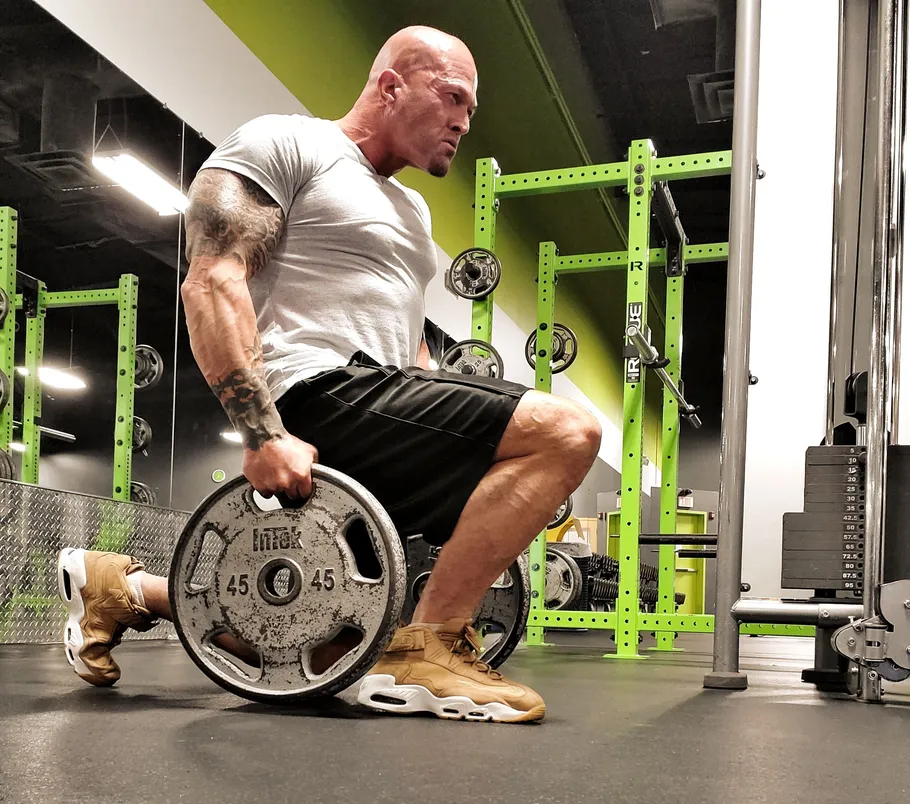
Start with the support type, not the brand. A knit sleeve suits everyday gym work. Spring stabilizers add structure without hinges. Full hinges suit cutting sports and heavy leg days. A strap suits one targeted spot below the kneecap. Buying more support than your training needs usually means a brace that stays in the drawer.
Then measure — twice, and against the listing’s own chart. This guide’s running theme is that charts disagree: different points, different units, different size letters. A tape measure and five minutes beat a return every time. If you sit between sizes, read the listing’s guidance for that exact model rather than carrying a size over from another brand.
Match the brace to the session. Court players need hinges and ventilation. Lifters need straps that stay put under a bar. Runners need something light that survives repetition. A brace that works for squats may be wrong for a full basketball game, and the other way round.
Check the single-versus-pair detail before checkout. The Shock Doctor 875 ships as one brace, the Bodyprox strap ships as a pair, and the rest vary by listing — the listing page, not this guide, is the final word. Washability matters too: removable hinges, like the McDavid’s, decide whether a brace stays fresh through a training block.
If your home gym includes sparring or grappling, the rest of the protective kit matters alongside the brace — our best groin guards for home gyms guide and our best mouthguards for home gyms guide cover the other two pieces most people forget until they need them.
❓ Frequently Asked Questions
Can a knee brace fix knee pain?
No — and any guide that says otherwise is overselling. A brace supports the joint while you train; it does not heal an injury, repair a tendon or cure a condition. Pain that is new, sharp, swelling, locking or making the knee give way deserves a clinician’s eyes before any brace is bought. Use a brace for support during training, not as a substitute for advice.
What is the difference between a brace, a sleeve, a wrap and a pad?
A brace is a structured support with stays, hinges or a shaped pad. A sleeve is a compression tube with no hinges. A wrap is an elastic band wound tight for a heavy lift and removed after. A pad is impact cushioning for knees hitting a mat. They solve different problems — buying a pad when you need a brace, or a wrap when you need a sleeve, is the most common mistake in this category.
How do I measure for a knee brace?
Measure exactly where the listing for that model tells you to — and that is the catch, because listings disagree. Some measure straight knee circumference, some measure above and below the knee, some measure with the knee bent. Take all three numbers (knee, above, below), then match them against the specific listing’s own chart. Never carry a size across brands.
Can I wear a knee brace all day, or while sleeping?
Most of these braces are made for activity, not all-day wear — check the listing for the model you buy. A sleeve or strap worn for hours can chafe or cut circulation, and sleeping in a hinged brace is rarely advised by makers. If a knee needs support all day, that is a clinician conversation, not a product choice.
Do I need one brace or a pair?
It depends on the listing. The Shock Doctor 875 ships as a single unit, so two knees means two orders. The Bodyprox strap ships as a pair. The sleeve and hinged picks vary by listing — some sell singles, some pairs — so check the listing page before checkout rather than assuming.
What else helps a home gym beyond a knee brace?
Recovery kit rounds out the setup — our best foam rollers for home gyms guide covers the roller most home gyms start with. Keep the same honesty rule: a roller, like a brace, is training support, not treatment, and a knee that keeps hurting still deserves a clinician first.
Thanks for reading — if this guide helped you pick, the links above support the site at no extra cost to you.
Disclosure: As an Amazon Associate, we earn from qualifying purchases made through links on this page, at no extra cost to you. Product details and availability should be checked on the listing page before ordering.
Pingback: Best Ankle Braces for Home Gyms (2026)
Pingback: Best Knee Wraps for Home Gyms (2026)