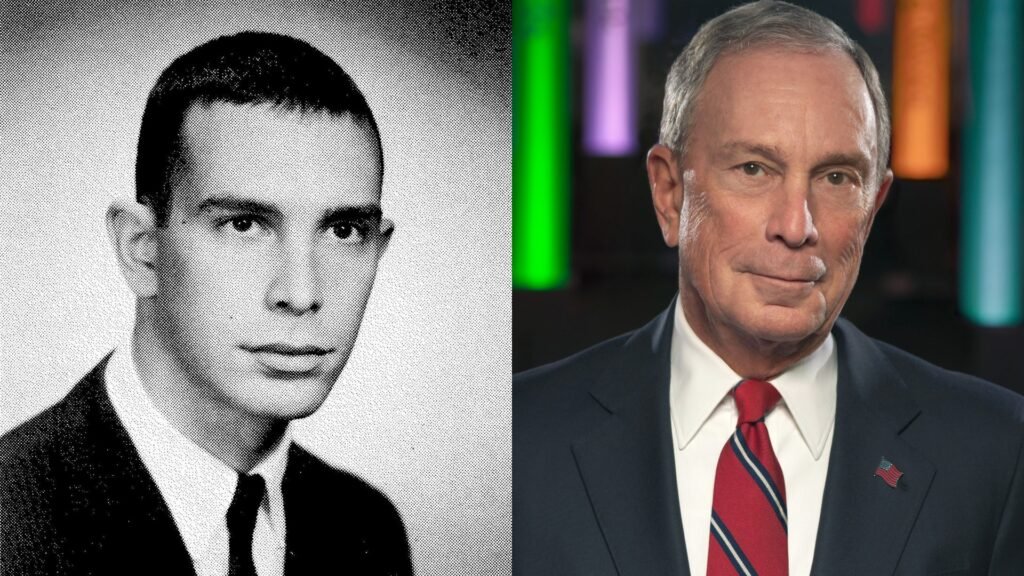
In 1981, Michael Bloomberg was fired. He was 39 years old, a newly minted ex-partner of Salomon Brothers, and his consolation prize was a severance cheque of roughly $10 million. Most people would have called it a career. Bloomberg called it seed money. He poured it into a start-up operating out of a single room — and turned it into Bloomberg LP, a financial-information empire with annual revenues approaching $15 billion, twelve years running New York City, and a personal fortune that has topped $100 billion.
The journey from a middle-class childhood in Massachusetts to the mayor’s office at City Hall — and the upper reaches of the Forbes rich list — is one of the great second-act stories in American business.
Then
Michael Rubens Bloomberg was born on February 14, 1942, in Boston, Massachusetts, and raised in Medford, a working-class suburb north of the city. His father kept the books for a local dairy company; his mother worked as a secretary. It was not a household of privilege, but one that prized education and hard work.
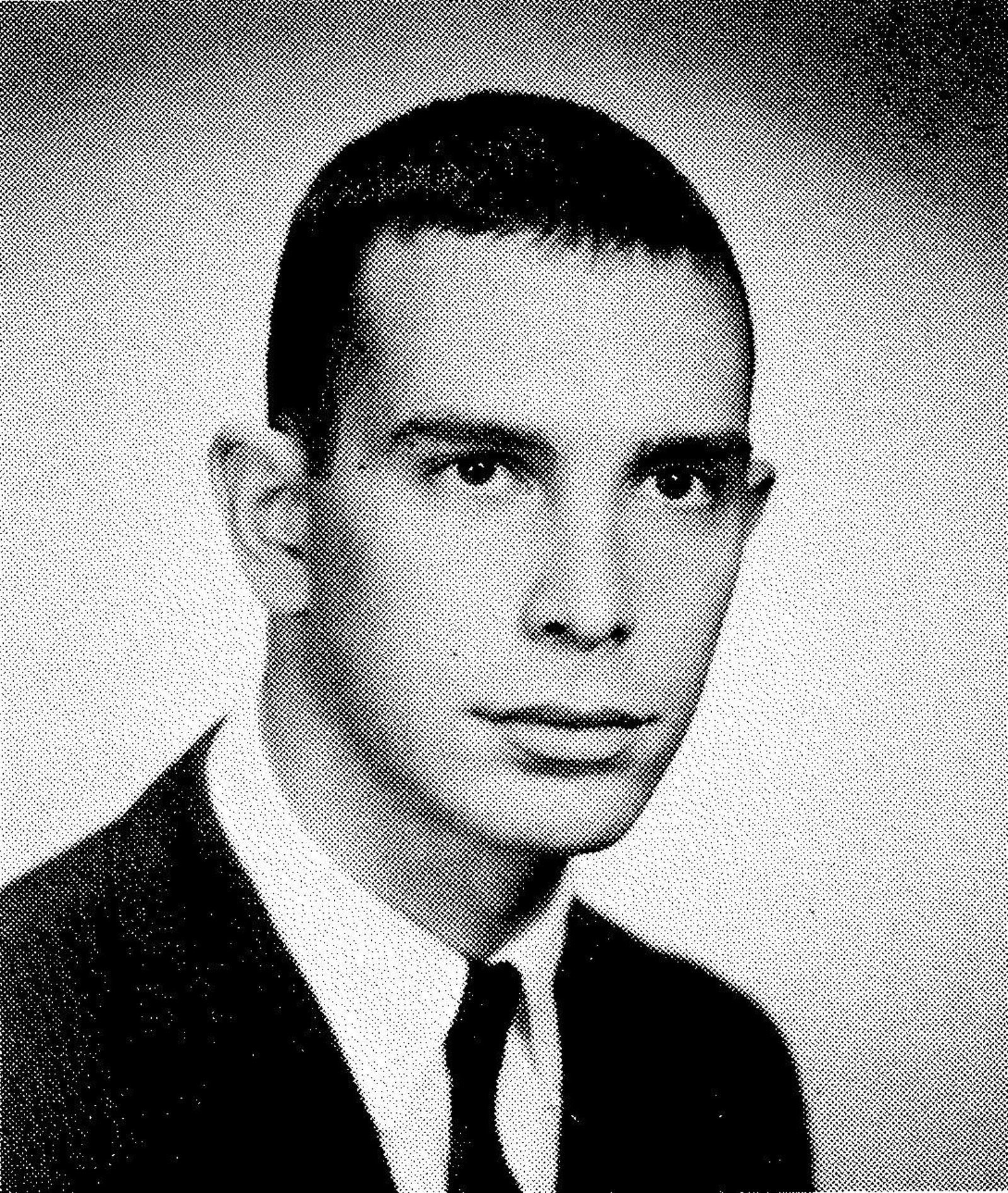
Bloomberg studied electrical engineering at Johns Hopkins University, graduating in 1964 — the fresh-faced student in that year’s yearbook could hardly have imagined what lay ahead. He went on to earn an MBA from Harvard Business School in 1966 and joined the Wall Street firm Salomon Brothers the same year. Over the next fifteen years he climbed from an entry-level desk to partner, mastering the firm’s bond-trading business. When the commodities firm Phibro acquired Salomon in 1981, Bloomberg was pushed out in the shake-up — walking away with about $10 million in severance.
Middle
Rather than look for another job, Bloomberg bet on himself. In 1981 he founded Innovative Market Systems — later renamed Bloomberg LP — with a simple idea: give traders and investors a computer terminal delivering real-time market data, analytics and news in one place. The Bloomberg Terminal was a hit. Merrill Lynch became an early backer, and Bloomberg eventually bought back the stake, ending up with roughly 88 percent of the company he built.
The company grew into a global media and data powerhouse — the Terminal business plus Bloomberg News, radio and television — with revenues approaching $15 billion a year. Bloomberg’s stake made him extraordinarily wealthy, and wealth opened a second career: politics. In 2001, running as a Republican, he was elected mayor of New York City, taking office in 2002. He won re-election in 2005 and again in 2009 after term limits were extended, serving twelve years through 2013. He spent hundreds of millions of dollars of his own fortune on his campaigns. His City Hall years brought the indoor smoking ban, the 311 helpline and an ambitious public-health agenda — alongside no shortage of controversy. He was succeeded by Bill de Blasio, whose own then-and-now story we have profiled on this site.
Bloomberg’s ambitions didn’t stop at City Hall. In November 2019 he entered the race for the 2020 Democratic presidential nomination, bankrolling his campaign with more than $1 billion of his own money — one of the most expensive self-funded campaigns in history. He dropped out in March 2020 after a poor showing on Super Tuesday and endorsed Joe Biden.
Now
Today, at 84, Michael Bloomberg remains one of the richest people in the world. Forbes put his net worth at about $109 billion on its 2026 billionaires list (No. 18) in March; by October 2026, real-time estimates had fallen to about $94.9 billion — still enough to rank him alongside fellow billionaires such as Jeff Bezos among the world’s richest. In a quirk of media ethics, he is excluded from the Bloomberg Billionaires Index — the rival ranking published by his own company — by editorial policy.
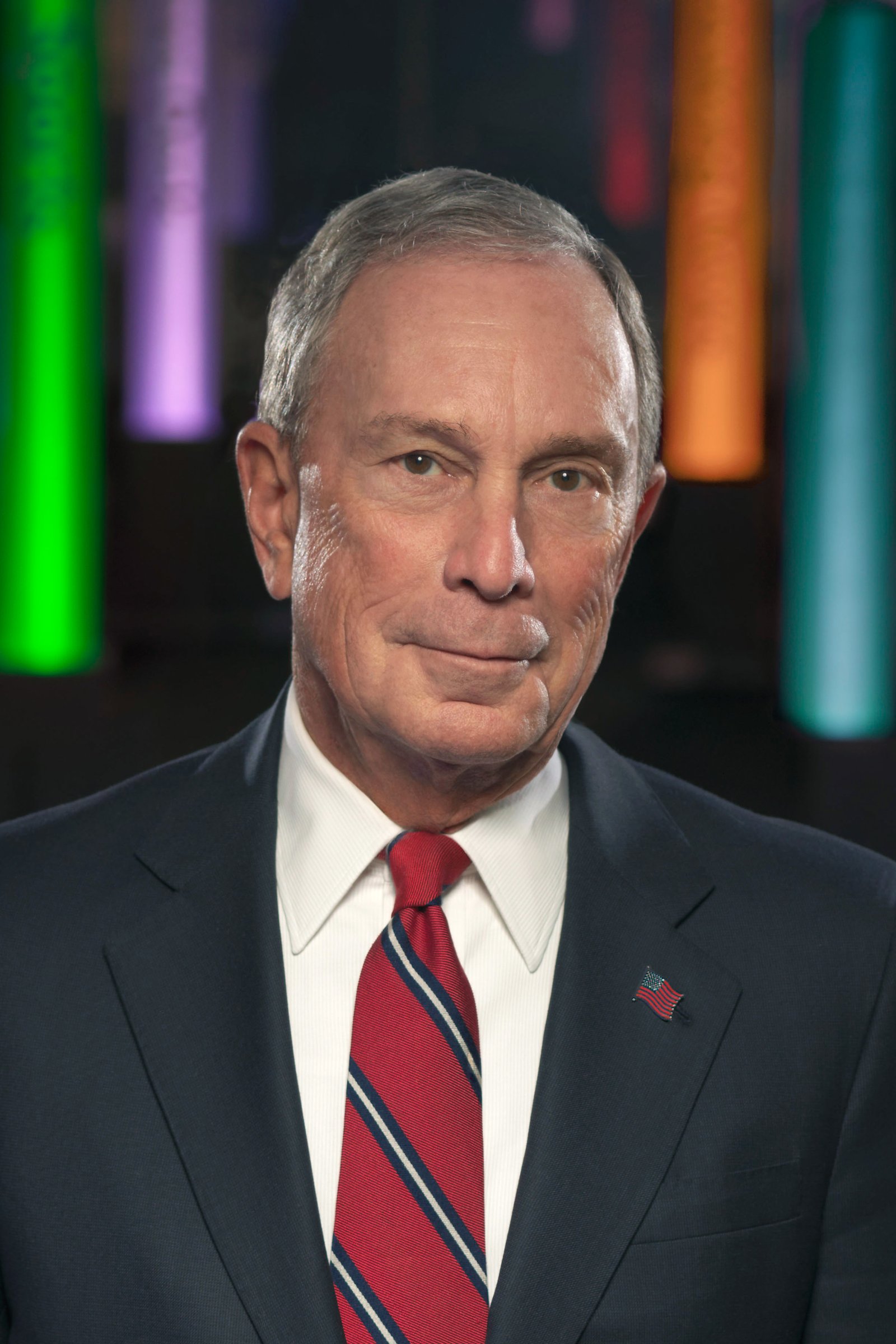
But Bloomberg’s defining project today may be giving money away rather than making it. Through Bloomberg Philanthropies he gave $4.3 billion in 2025 alone, bringing his lifetime charitable giving above $25.4 billion — directed at gun safety, climate action and education. In July 2024 he pledged $1 billion to his alma mater, Johns Hopkins University, to make medical school tuition-free for most students. Like fellow Giving Pledge signatory Warren Buffett, Bloomberg has committed the bulk of his fortune to charity — including, Forbes reports, his controlling stake in Bloomberg LP itself, which is earmarked for Bloomberg Philanthropies.
In his personal life, Bloomberg has two daughters, Emma and Georgina, and has been with his partner, Diana Taylor, since 2000.
From a fired 39-year-old with a $10 million cheque to a centi-billionaire philanthropist who ran America’s largest city — Michael Bloomberg’s then and now is a reminder that sometimes the pink slip is the best thing that ever happens to you.