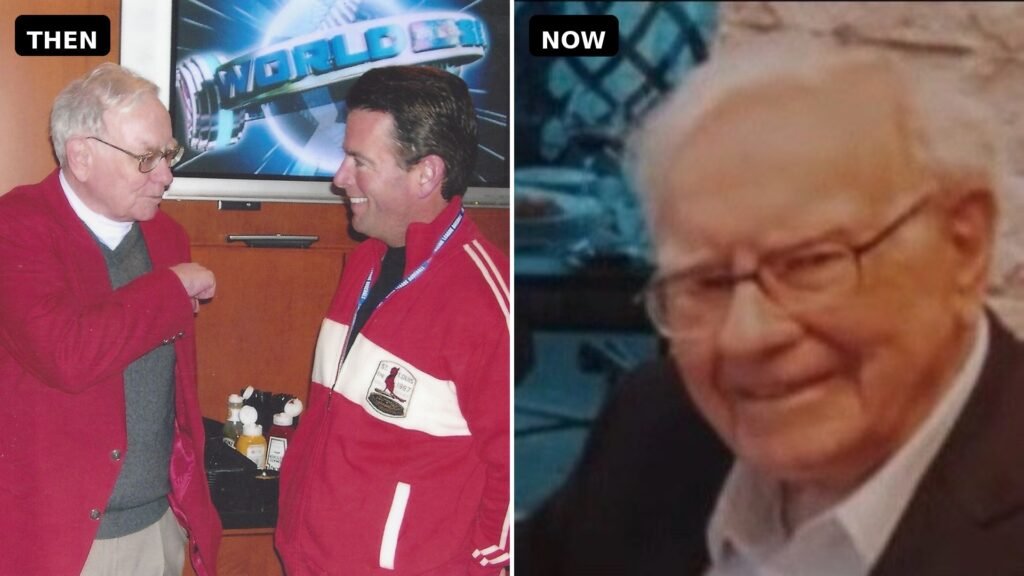
At the start of 2026, the most successful investor in history did something he had never done in six decades: he stepped down. Warren Buffett handed the CEO job at Berkshire Hathaway to his successor Greg Abel, closing the longest and most profitable run in corporate history. At 96, with a fortune Forbes valued at $142 billion in October 2026, the “Oracle of Omaha” has become something rarer than a billionaire — a legend who is giving almost all of it away. This is how a paperboy from Nebraska bought his way into history.
Then: The Boy Who Read Stock Tables for Fun
Warren Edward Buffett was born on August 30, 1930, in Omaha, Nebraska, the son of a stockbroker who would later become a U.S. congressman. While other kids collected baseball cards, young Warren devoured stock tables. At 11 years old, he bought his first shares — Cities Service Preferred — and learned his first hard lesson when he sold too early and watched the price soar without him.
Rejected by Harvard Business School, he landed instead at Columbia University, where he studied under Benjamin Graham, the father of value investing. The philosophy stuck for life: buy wonderful businesses at fair prices, then hold them essentially forever. In 1956, back in Omaha with $105,100 scraped together from family and friends, the 25-year-old founded the Buffett Partnership. A decade later, he took control of a struggling New England textile company called Berkshire Hathaway — a purchase he would later call the “dumbest” stock he ever bought, because the mill itself was worthless. What he built on top of it was anything but.
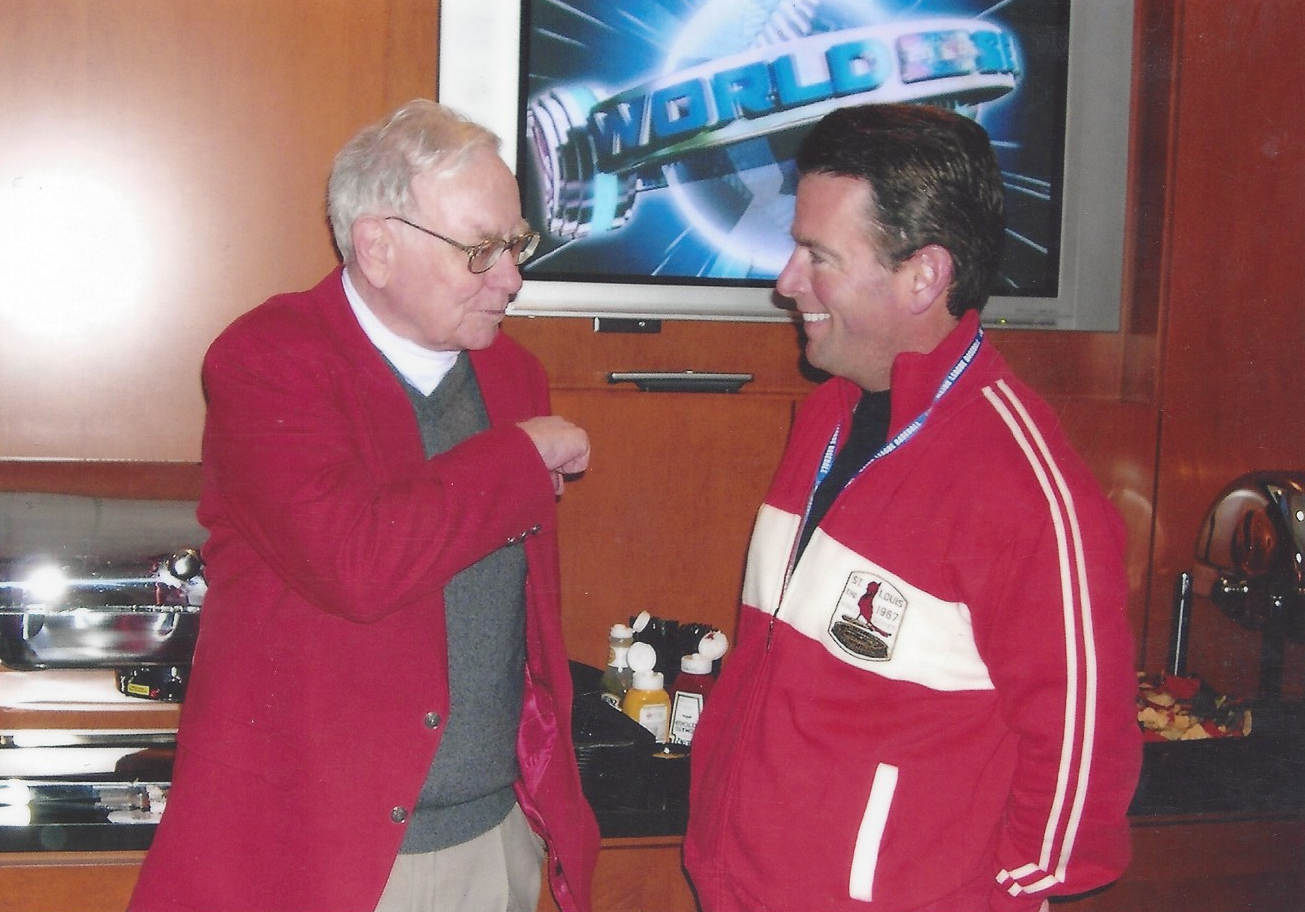
The Middle: The $1 Trillion Snowball
Buffett’s genius was patience weaponized. He bought the GEICO insurer in 1976 and used its “float” — premiums collected before claims are paid — as a permanent pool of investing capital. In 1988 he put about $1.3 billion into Coca-Cola, a stake that became one of the greatest investments ever made. Later came Apple, American Express, Dairy Queen, and dozens of wholly owned businesses, all compounding at an average of nearly 20 percent a year for sixty years. Berkshire’s stock rose more than five million percent from 1965 through 2024, and the company crossed a $1 trillion market value.
He did it all while living in the same modest Omaha house he bought in 1958 for $31,500, eating McDonald’s breakfast, and drawing a $100,000 salary. And in 2006, he made the announcement that redefined his legacy: he would give away the bulk of his fortune, starting with the Bill & Melinda Gates Foundation, and later co-founded the Giving Pledge with Bill and Melinda Gates. To date he has donated more than $60 billion — and has promised that over 99 percent of his wealth will go to charity.
Now: The Chairman Emeritus
The succession Buffett planned for decades finally happened: he left the CEO role at the end of 2025, with Greg Abel taking over on January 1, 2026, and in September 2026 Buffett became chairman emeritus, passing the chairmanship to his son Howard while remaining on the board. The titles are gone, but the fortune endures — tied almost entirely to Berkshire stock, it still makes him the world’s tenth-richest person.
What separates Buffett from every other fortune on the billionaire lists isn’t just the size — it’s the exit plan. While fellow billionaires like Jay-Z, hip-hop’s first billionaire, and Rihanna, who built her own billion-dollar empire, are still accumulating, Buffett has spent nearly twenty years methodically giving his away. The boy who bought his first stock at eleven understood something most billionaires never learn: the scoreboard was never the money. It was the game itself.